NID PI & Sensitivity Test 2026: Real Student Experience & Actual Questions Asked

The NID PI (Personal Interview) and Sensitivity Test 2026 is one of the most important stages in the admission journey for aspiring designers. While many students prepare extensively for sketching, portfolio presentation, and design aptitude, the interview round often surprises them with deeply personal, intellectual, and situation-based questions.

At Pahal Design, we believe in preparing students for the real interview environment, not just theoretical practice.

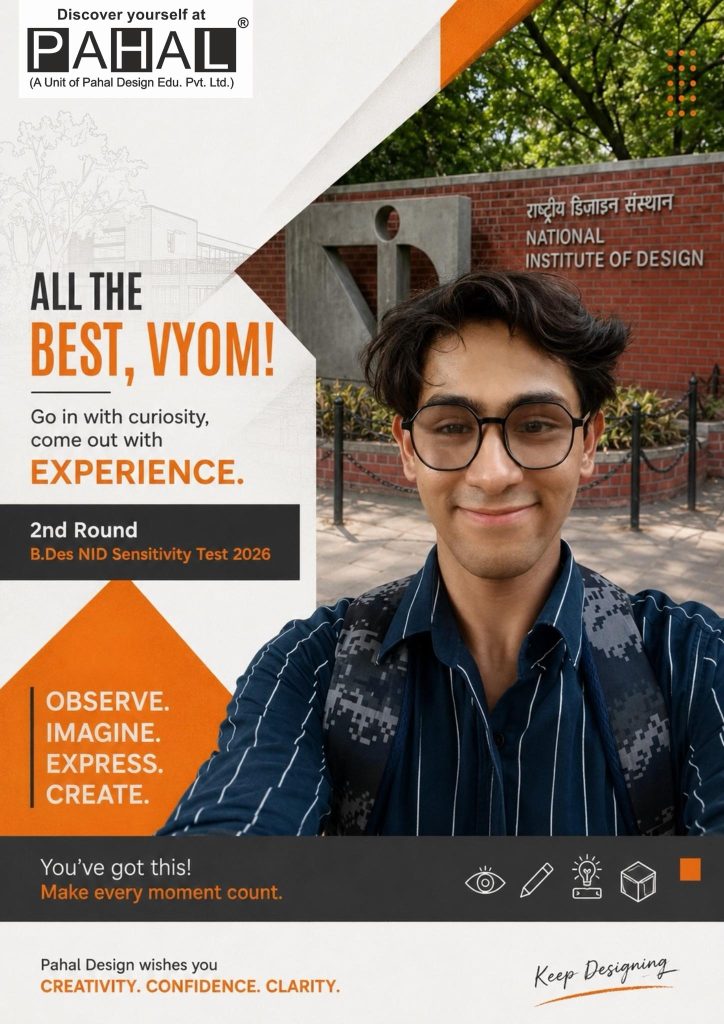
Here’s an authentic experience shared by our student Vyom, who recently appeared for the NID PI & Sensitivity Test 2026.

Real NID Interview Experience 2026 – Student Review

According to Vyom, the interview felt surprisingly comfortable and natural.

“The feeling was as if I was just having a casual conversation with a friend.”

This reflects something many successful NID candidates experience — the panel is not trying to intimidate you. Instead, they want to understand who you are, how you think, and whether you genuinely belong in design.

Actual Questions Asked in NID PI 2026

Here are some of the real questions Vyom faced during his interview:

1. Questions About Your State & Cultural Background

The panel asked:

  • Which state do you belong to?
  • What literature is associated with your state?
  • Can you recite a poem originating from your region?

Why They Ask This

NID values students with cultural awareness, originality, and rooted thinking. Design is deeply connected with context, storytelling, and heritage.

2. Questions About Gap Year / Drop Year

The interview panel asked:

  • Why did you take a drop year?
  • What did you do during this period?
  • How did you utilise your time?

What They Evaluate

They want to check:

  • maturity
  • honesty
  • commitment
  • growth mindset

A drop year is never a weakness if you can explain how it helped you evolve.

3. Indian Philosophy Based Questions

One of the most interesting discussions revolved around Indian philosophies.

Questions included:

  • Why are you interested in Indian philosophy?
  • Which philosophies have you read?
  • What did you learn from them?
  • How do those learnings influence your thinking?

Why This Matters

NID is interested in how deeply you think—not just what you know.

Students who demonstrate reflection, curiosity, and original interpretation often stand out.

4. Design Interest & Product Design Situation-Based Questions

The panel explored Vyom’s interest in design by asking:

  • Why design?
  • Why product design?
  • Situation-based problem-solving questions related to product design

These questions assess:

  • creativity
  • empathy
  • structured thinking
  • real-world design awareness

5. Family Background Questions

Common personal questions included:

  • What do your parents do?
  • What is your family background?

This helps the panel understand your upbringing, support system, and communication style.

6. Questions About Your City / Living Environment

They asked:

  • Where do you live?
  • What is your city known for?
  • Questions related to your surroundings

This is another way to judge observation skills and awareness of context—an essential design quality.

7. Reverse Question Opportunity

An interesting moment came when the panel asked Vyom to ask them questions.

This often happens to evaluate:

  • curiosity
  • confidence
  • maturity
  • genuine interest in NID

Good examples:

  • How does interdisciplinary collaboration work at NID?
  • What qualities do you see in successful NID students?
  • How does product design education evolve with emerging technologies?

8. Portfolio & Background Questions

Vyom also shared:

“They asked about my background most of the time and some questions related to my works.”

This means your portfolio should never just look visually good—you must be ready to explain:

  • your thought process
  • material choices
  • challenges faced
  • iterations
  • learnings

Key Learning from This NID Interview Experience

This real experience clearly shows that NID interviews are not rapid-fire GK sessions.

They are conversations designed to understand:

✔ your personality
✔ your awareness
✔ your design mindset
✔ your communication skills
✔ your curiosity
✔ your cultural depth
✔ your authenticity

Pahal Design’s Expert Tips for NID PI 2026 Aspirants

Based on years of mentoring NID aspirants, here’s what we recommend:

Prepare Your Personal Story

Be clear about:

  • who you are
  • your background
  • why design
  • why NID
  • why your chosen specialization

Read Beyond Design

Explore:

  • Indian philosophy
  • culture
  • literature
  • current design trends
  • social observations

Be Honest About Drop Years

Panels appreciate authenticity more than rehearsed answers.

Practice Situation-Based Thinking

Product design aspirants especially should prepare for:

  • usability problems
  • empathy scenarios
  • redesign challenges
  • real-life problem solving

Ask Smart Questions

Prepare 2–3 thoughtful questions for the panel.

Why Pahal Design for NID Preparation?

For over 26 years, Pahal Design has mentored thousands of design aspirants for:

  • NID
  • NIFT
  • UCEED
  • CEED
  • NATA
  • BFA
  • JEE Paper 2

Our preparation includes:

  • NID mock interviews
  • portfolio guidance
  • sensitivity test mentoring
  • studio test preparation
  • design aptitude development
  • one-to-one mentoring

Final Thoughts

Vyom’s experience proves one important thing:

The NID interview is less about perfect answers and more about authentic conversations.

If you understand yourself, think deeply, stay observant, and communicate honestly—you already have a strong foundation.

If you’re preparing for NID DAT Mains 2026 or NID 2027, structured mentorship can make a significant difference.

Start Your NID Preparation with Pahal Design

🌐 www.pahaldesign.com
📞 8800-22-6864

Join India’s Best Online Design Entrance Coaching for 2026–27 Admissions – Pahal Design

If you are dreaming of getting into NID, NIFT, IIT-UCEED, IIT-CEED, NATA, JEE Paper 2, or top BFA colleges, the right guidance can make all the difference.

At Pahal Design, we bring 26 years of excellence in design entrance coaching, helping thousands of students transform their creativity into successful careers.

Our Online Live Interactive Classes for the 2026–27 batch are specially designed for students who want expert mentorship, structured preparation, flexibility, and proven results—all from the comfort of home.

Why Choose Pahal Design Online Coaching?

1. Live Interactive Learning

Unlike recorded courses, our classes are fully live and interactive, allowing students to:

  • Ask questions in real-time
  • Get immediate faculty feedback
  • Participate in creative discussions
  • Solve doubts instantly
  • Stay motivated through structured mentorship

This creates a classroom-like experience online.

2. Expert Faculty from Top Design Institutes

Learn from experienced mentors with backgrounds from:

  • NID
  • NIFT
  • IIT Design Programs
  • CEPT
  • JJ College of Art
  • Industry Professionals

Our faculty understand exactly what design entrance exams demand.

3. Preparation for Multiple Design Entrance Exams

Our online coaching covers complete preparation for:

NID Coaching

Preparation for:

  • Design Aptitude
  • Creative Thinking
  • Sketching
  • Studio Test Preparation
  • Design Problem Solving

NIFT Coaching

Complete preparation for:

  • CAT
  • GAT
  • Situation Test
  • Portfolio Guidance
  • Interview Preparation

IIT-UCEED Coaching

Comprehensive coaching for:

  • Visualisation & Spatial Ability
  • Observation Skills
  • Analytical & Logical Reasoning
  • Design Thinking
  • Drawing & Sketching

IIT-CEED Coaching

Advanced preparation for:

  • Design Aptitude
  • Analytical Ability
  • Problem Solving
  • Sketching
  • Product Thinking

NATA Coaching

Structured training for:

  • Architecture Aptitude
  • Perspective Drawing
  • Visual Reasoning
  • Mathematics
  • Architectural Awareness

JEE Paper 2 Coaching

Focused preparation for:

  • B.Arch Entrance
  • Drawing Test
  • Aptitude
  • Mathematics
  • Visualization

BFA Entrance Coaching

Preparation for Fine Arts admissions:

  • Creative Drawing
  • Composition
  • Sketching
  • Colour Theory
  • Practical Art Training

Benefits of Pahal Design Online live Classes 2026

Personalized Mentoring

Every student gets:

  • Individual attention
  • Performance tracking
  • Personalized feedback
  • Exam strategy guidance
  • Career counselling

Structured Study Material

Students receive:

  • Design study notes
  • Practice sheets
  • Sketching assignments
  • Mock tests
  • Previous year questions
  • Creative exercises

Proven Results

Pahal Design has consistently delivered excellent results in:

  • NID
  • NIFT
  • UCEED
  • CEED
  • NATA
  • BFA
  • Architecture Admissions

Thousands of successful students have built their careers through our mentorship.

Who Should Join?

This course is ideal for:

✅ Class 11 students
✅ Class 12 students
✅ Gap year students
✅ College students preparing for CEED
✅ Architecture aspirants
✅ Fine Arts aspirants
✅ Working professionals switching to design careers

Why Online Coaching Works Better Today

Online learning provides:

  • Flexibility
  • Time savings
  • Access to top faculty from anywhere in India
  • Recorded revision support
  • Better consistency
  • Personalized doubt-solving

Students from Delhi, Gurgaon, Noida, Jaipur, Lucknow, Chandigarh, Patna, Bengaluru and across India can learn with Pahal Design.

About Pahal Design

Pahal Design is one of India’s most trusted design coaching institutes with 26 years of experience in design education.

We specialize in:

  • NID Coaching
  • NIFT Coaching
  • UCEED Coaching
  • CEED Coaching
  • NATA Coaching
  • JEE B.Arch / Paper 2 Coaching
  • Fine Arts Entrance Preparation

Our mission is simple:
Transform creative students into successful designers.

Admissions Open for 2026–27 Batch

Seats are limited for our Online Live Interactive Classes.

If you are serious about cracking India’s top design entrance exams, this is the right time to begin.

📞 Call Now: 8800-22-6864
🌐 Website: www.pahaldesign.com

FAQs

Which is the best online coaching for NID preparation?

Pahal Design offers comprehensive online coaching for NID with live classes, expert faculty, studio preparation, and mentorship.

Does Pahal Design provide coaching for IIT-UCEED and IIT-CEED?

Yes, Pahal Design provides structured coaching for both IIT-UCEED and IIT-CEED.

Is NATA coaching available online?

Yes, students can prepare for NATA through live online interactive classes at Pahal Design.

Does Pahal Design offer JEE Paper 2 coaching?

Yes, we provide complete preparation for JEE Paper 2 (B.Arch).

Can BFA aspirants join?

Absolutely. Dedicated Fine Arts entrance coaching is available.

What is the NID B.Des In-Person Sensitivity Test?

Download Admit Card of B.Des. TEST II: In-Person Sensitivity Test.

ADMISSIONS HANDBOOK 2026-27

The NID B.Des In-Person Sensitivity Test is the second stage of the National Institute of Design (NID) admission process for Bachelor of Design (B.Des) aspirants who qualify the NID DAT Prelims. This stage is designed to assess a candidate’s practical design abilities, creativity, observation skills, and problem-solving approach beyond written aptitude testing.

Unlike the prelims, which focus on design aptitude through pen-and-paper questions, the NID In-Person Sensitivity Testevaluates how well students think, create, and communicate design ideas in real-time.

If you are preparing for NID Admission 2026, understanding this stage can significantly improve your preparation strategy.

Why Does NID Conduct the In-Person Sensitivity Test?

Design is not just about drawing well—it is about understanding people, solving real-world problems, and thinking creatively.

The NID B.Des Sensitivity Test helps assess qualities that are essential for a successful design student, such as:

  • Creative thinking and originality
  • Observation and analytical ability
  • Visualisation skills
  • Hands-on model-making capability
  • Material experimentation
  • User-centered problem solving
  • Communication and concept explanation
  • Sensitivity toward human needs and environments

This stage ensures that shortlisted candidates possess the mindset required for professional design education.

Meaning of “Sensitivity” in NID Design Assessment

In design education, sensitivity refers to how thoughtfully a student responds to design problems.

This includes sensitivity toward:

User Needs

Understanding who will use the product or solution.

Example:
Designing furniture for:

  • Children
  • Senior citizens
  • Differently-abled users

Aesthetic Awareness

Understanding:

  • balance
  • form
  • colour harmony
  • composition
  • visual appeal

Environmental Awareness

Thinking about:

  • sustainability
  • material usage
  • practical constraints

Social Sensitivity

Considering:

  • cultural relevance
  • emotional impact
  • usability in daily life

NID wants students who can design with empathy—not just creativity.

What Happens in the NID In-Person Sensitivity Test?

The exact format may vary each year, but the assessment generally includes practical design challenges.

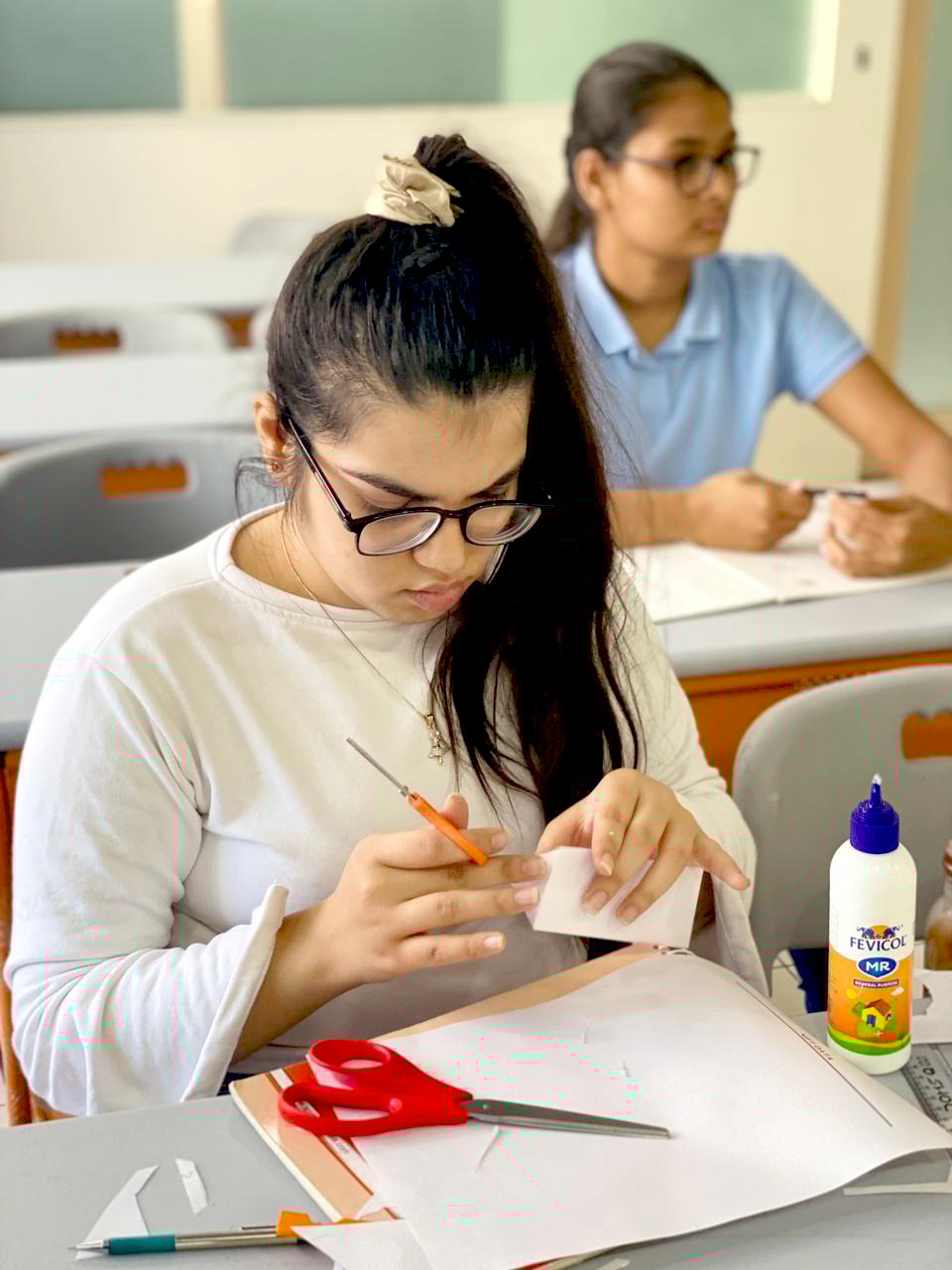
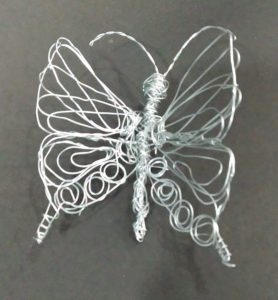
1. Studio Test / Model Making

Candidates may receive basic materials like:

  • paper
  • cardboard
  • wire
  • straws
  • foam sheets
  • clay
  • sticks
  • adhesives

Task examples:

  • Build a desk organizer
  • Create a wearable accessory
  • Design a bridge structure
  • Make a toy concept

The focus is on idea generation, execution, and innovation.

2. Observation-Based Exercises

These tasks evaluate visual awareness.

Examples:

  • Object drawing from observation
  • Memory sketching
  • Visual interpretation
  • Shape analysis

This tests your ability to notice details accurately.

3. Sketching & Concept Visualisation

Students may be asked to:

  • create perspective drawings
  • develop concept sketches
  • design storyboard sequences
  • communicate product ideas visually

The emphasis is on clarity of thought, not artistic perfection.

4. Concept Explanation / Interaction

Candidates may need to explain:

  • design concept
  • target user
  • functionality
  • reasoning behind design decisions

Strong communication can make a major difference.

Skills Evaluated in NID B.Des Sensitivity Test

The selection panel typically assesses:

Creativity

Can you think differently?

Innovation

Can you generate practical yet original ideas?

Problem Solving

How do you approach design challenges?

Material Handling

Can you create workable prototypes?

Time Management

Can you execute under exam pressure?

Communication

Can you explain your design confidently?

Empathy

Do you think from the user’s perspective?

Sample NID Sensitivity Test Questions

Here are some realistic examples:

  • Design a school bag for primary students.
  • Create packaging using newspaper only.
  • Build a low-cost toy for visually impaired children.
  • Redesign a water bottle for cyclists.
  • Create a desk accessory from limited materials.
  • Design a foldable furniture concept.

Practicing such exercises improves performance significantly.

How to Prepare for NID B.Des In-Person Sensitivity Test 2026

Practice Model Making Daily

Work with:

  • paper
  • cardboard
  • clay
  • straws
  • wire

Improve speed and creativity.

Improve Observation Skills

Practice:

  • object sketching
  • perspective drawing
  • visual memory exercises

Solve Design Challenges

Attempt one practical design brief every day.

Example:
“Design a lunchbox for school children.”

Learn User-Centered Design Thinking

Always ask:

  • Who is the user?
  • What problem am I solving?
  • Is the solution practical?
  • Can it be improved?

Practice Explaining Concepts

Even strong ideas fail if poorly presented.

Practice speaking about:

  • your concept
  • user need
  • functionality
  • innovation

Common Mistakes Students Make

Avoid these mistakes:

  • focusing only on neatness
  • ignoring usability
  • weak time management
  • copying generic ideas
  • poor model finishing
  • not explaining the design logic
  • forgetting the target user

Is NID Sensitivity Test Difficult?

Yes, because competition is intense.

However, students with consistent practical preparation perform well.

This round is less about perfect artwork and more about:

  • smart thinking
  • originality
  • practical creativity
  • user empathy

Final Thoughts

The NID B.Des In-Person Sensitivity Test 2026 is one of the most important stages of the admission process for design aspirants.

If you want to crack NID, focus not only on drawing but also on practical creativity, observation, design thinking, and communication.

With structured preparation and regular practice, this stage becomes highly manageable.


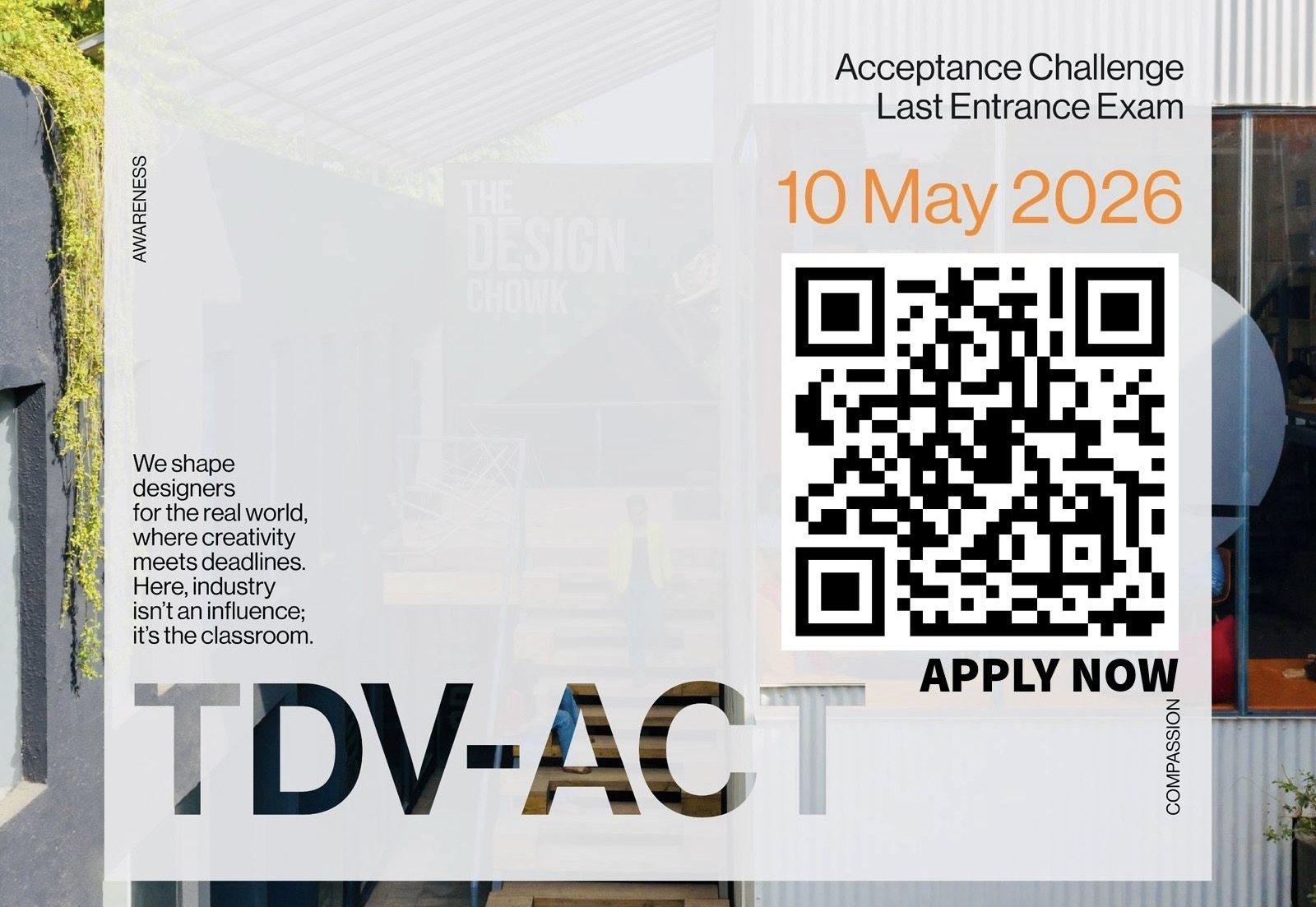
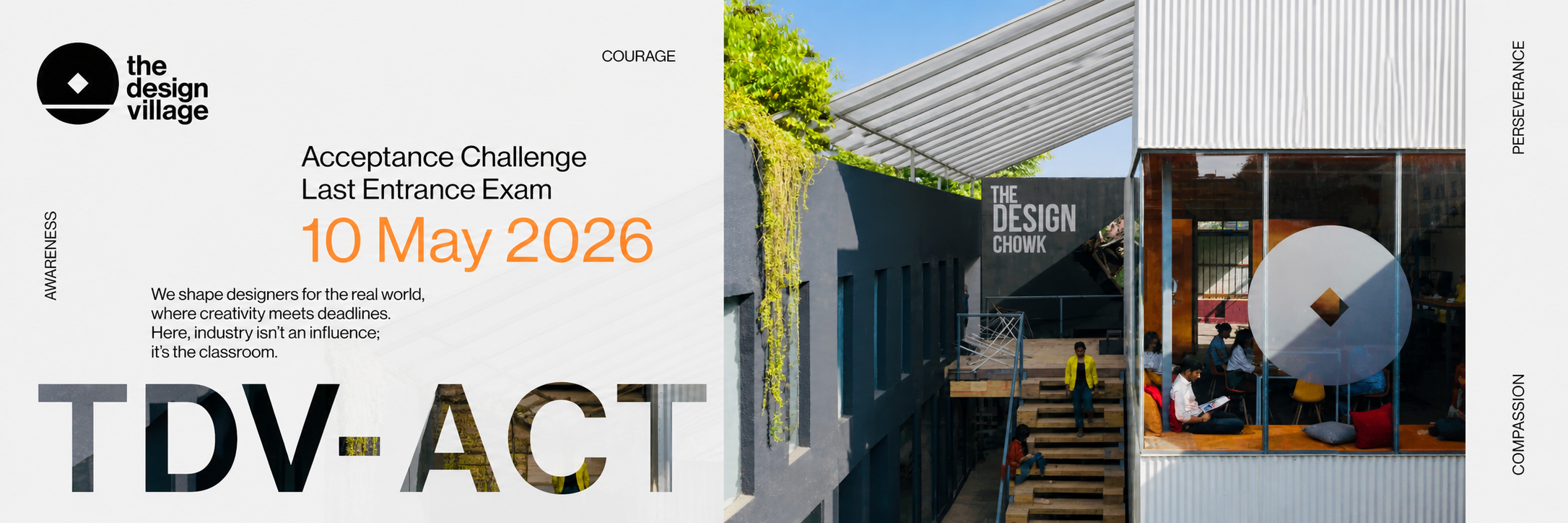
If you’re aspiring to build a successful career in design, the TDV-ACT (The Design Village Acceptance Challenge) is your gateway to one of India’s most progressive design institutes. With the last entrance exam scheduled for 10 May 2026, now is the time to prepare smartly and strategically.

At Pahal Design, we help students crack top design entrance exams like TDV, NID, NIFT, and UCEED with focused coaching and expert mentorship.

What is TDV-ACT (Acceptance Challenge)?

The Acceptance Challenge (AC) by The Design Village (TDV) is not a conventional entrance exam. It evaluates:

  • Creativity and problem-solving skills
  • Real-world design thinking
  • Awareness and observation
  • Courage and perseverance (core values highlighted in the exam philosophy)

Unlike traditional exams, TDV focuses on how you think, not just what you know.

Important Date to Remember

Last Entrance Exam Date: 10 May 2026

Missing this could mean waiting another year—so early preparation is key.

Why Choose The Design Village?

The Design Village stands out because:

  • It integrates industry with education
  • Emphasizes real-world projects
  • Encourages creative freedom with discipline
  • Builds designers who can meet deadlines and innovate simultaneously

“We shape designers for the real world, where creativity meets deadlines.”

How to Prepare for TDV Entrance Exam

Preparing for TDV requires a different approach compared to other design exams.

1. Build Design Thinking Skills

Focus on:

  • Problem-solving exercises
  • Case studies
  • Real-life observation

2. Practice Creative Aptitude

  • Sketching and visualization
  • Idea generation
  • Concept development

3. Improve Awareness

  • Stay updated with design trends
  • Learn about architecture, product design, and communication design

4. Solve Mock Tests

Regular practice with TDV-style questions helps build confidence and speed.

How Pahal Design Helps You Crack TDV-ACT

At Pahal Design, we go beyond textbooks. Our training focuses on:

✔ Structured Coaching

  • Comprehensive study material
  • Regular assignments and feedback

✔ Expert Faculty

  • Mentors from top design institutes
  • Personalized guidance

✔ Mock Tests & Evaluation

  • Real exam simulations
  • Performance tracking

✔ Portfolio Development

  • Guidance for creating strong portfolios
  • Interview preparation support

Why Start Early?

With competition increasing every year, early preparation gives you:

  • More time to build creativity
  • Better conceptual clarity
  • Higher confidence during the exam

Apply Now & Start Your Design Journey

The countdown to 10 May 2026 has already begun. Don’t wait until the last moment.

Join Pahal Design today and take the first step toward your dream design career.

FAQs

Q1. Is TDV-AC difficult?

It’s not difficult if you prepare the right way. It tests creativity rather than rote learning.

Q2. Do I need drawing skills?

Basic sketching helps, but idea generation is more important.

Q3. Can I prepare at home?

Yes, but guided coaching like Pahal Design significantly improves your chances.

Final Thoughts

TDV isn’t just looking for students—it’s looking for thinkers, creators, and problem solvers. With the right preparation and mentorship from Pahal Design, you can confidently crack the TDV-ACT and secure your place in a top design institute.

For any details Call 8800-22-6864


Summer break often feels like a well-earned pause—but what if it could also become the turning point for your future? Instead of letting these months slip away, you can use this time to unlock your creative potential and take your first step toward a successful design career. At Pahal Design, summer isn’t just a break—it’s an opportunity.

Why Summer is the Best Time to Start Your Design Journey

Most students spend their summer relaxing, traveling, or catching up on hobbies. While that’s important, this period also offers uninterrupted time to explore new skills, build discipline, and get ahead academically.

For students of Class 10th, 11th, and 12th, this is the perfect moment to:

  • Discover your creative strengths
  • Learn foundational design concepts
  • Begin preparation for competitive design entrance exams

Starting early gives you a clear advantage when it comes to building a strong portfolio and understanding the design field.

Turn Creativity into a Career

Design is no longer just an artistic pursuit—it’s a thriving career path with global opportunities. Fields like fashion design, interior design, product design, and visual communication are growing rapidly.

At Pahal Design, students are guided to:

  • Transform raw creativity into structured skills
  • Understand real-world design applications
  • Build confidence through hands-on learning

This early exposure helps you make informed career decisions and stand out in competitive environments.

What You’ll Gain from a Summer Design Program

Joining a structured summer course can significantly boost your learning curve. At Pahal Design, the focus is on building both skills and clarity.

Key Benefits:

  • Creative Thinking & Visualization Skills
    Learn how to think like a designer and visualize ideas effectively.
  • Sketching & Design Fundamentals
    Master the basics that form the backbone of all design disciplines.
  • Portfolio Building
    Start creating a strong portfolio for top colleges in India and abroad.
  • Career Clarity
    Gain insights into various design fields and choose your path wisely.

Prepare for Top Design Entrance Exams

If your goal is to get into prestigious design institutes, early preparation is crucial. Pahal Design’s summer programs are aligned with major entrance exams such as:

With expert guidance, structured practice, and exam-focused strategies, you’ll be better prepared to achieve top results.

Start Early. Stay Ahead.

Success in design doesn’t happen overnight—it requires consistent effort, guidance, and the right environment. Starting during summer gives you:

  • A head start over other aspirants
  • Time to experiment and improve without pressure
  • The ability to build confidence before exams approach

Limited Seats – High Demand

Summer batches at Pahal Design are highly sought after due to their quality training and proven results. With limited seats available, early enrollment ensures you don’t miss out on this valuable opportunity.

Final Thoughts

Your summer break can either be a pause—or a powerful step forward. By choosing to invest in your creativity today, you’re shaping a future filled with possibilities.

Don’t waste your summer break. Build your future with Pahal Design.

Enroll now and take the first step toward your dream design career.
Visit: www.pahaldesign.com
Call: 8800-22-6864


Introduction

Growth is a reflection of progress, and at Pahal Design, we believe in constantly evolving to provide the best for our students. With this vision, we are excited to announce that our Jaipur center has moved to a prime location in Vaishali Nagar—bringing you closer to excellence with improved infrastructure, accessibility, and learning experience.

Why the Shift? A Step Towards Excellence

Over the years, Pahal Design has built a reputation for delivering outstanding results in entrance exams like NID, NIFT, NATA, UCEED, and BFA. As our student community grew, so did the need for a more advanced and accessible space.

This relocation is not just about a new address—it’s about creating an environment that nurtures creativity, innovation, and success.

What’s New at Our Vaishali Nagar Centre?

1. Prime Location Advantage

Our new center is strategically located in Vidyut Nagar, Vaishali Nagar, one of Jaipur’s most well-connected and student-friendly areas.

  • Easy access from all parts of Jaipur
  • Well-connected via public and private transport
  • Safe and vibrant surroundings

2. Enhanced Infrastructure

We’ve upgraded every aspect of our facilities to ensure a better learning experience:

  • Spacious, well-lit classrooms
  • Modern studio setup for design practice
  • Dedicated spaces for sketching and creativity
  • Comfortable learning environment

3. Better Accessibility & Convenience

Whether you’re a school student or a drop-year aspirant, reaching us is now easier than ever.

  • Reduced travel time for most students
  • Nearby amenities like cafes, stationery shops, and libraries
  • Improved commuting convenience for daily classes

4. Same Trusted Results, Even Better Experience

While the location and infrastructure have improved, one thing remains unchanged—our commitment to delivering top results.

  • Expert faculty with years of experience
  • Proven track record in design entrance exams
  • Personalized mentoring and guidance
  • Result-oriented teaching approach

Courses Offered

At our new Jaipur center, we continue to offer preparation for:

Admissions Open – Apply Now!

With upgraded facilities and a prime location, this is the perfect time to begin your design journey with Pahal Design.

Seats are limited to maintain quality teaching standards—so don’t wait!

Visit Us at Our New Address

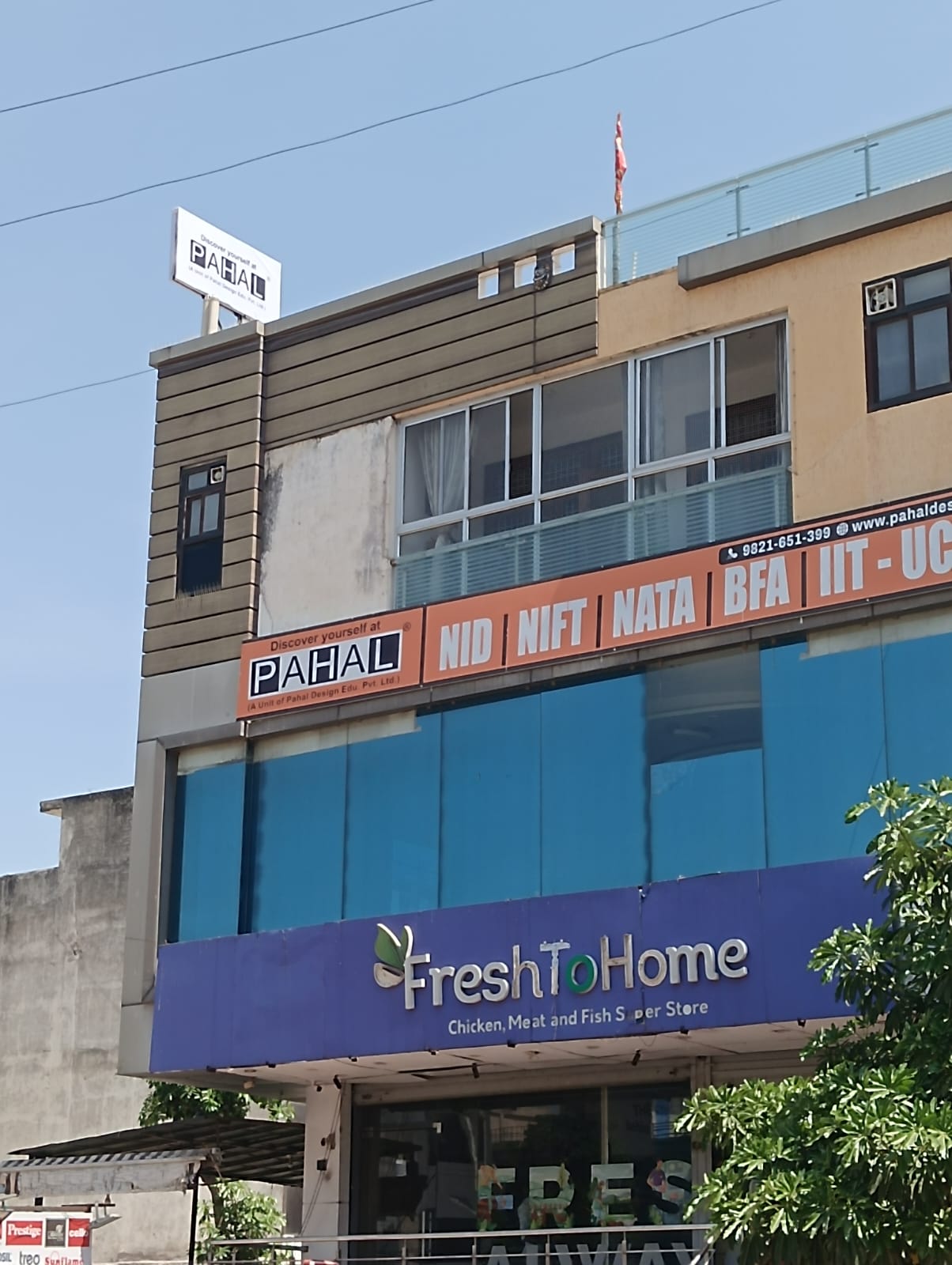
C51, 1st Floor, Vidyut Nagar, Vaishali Nagar, Chitrakoot, Jaipur – 302021
🌐 www.pahaldesign.com
📞 9821-651-399

Start Your Design Career Today

Join Pahal Design Jaipur and take the first step toward your dream college.

Book a Free Demo Class
Talk to Our Counselors
Apply Now


NIFT 2026 Results: Celebrate & Gear Up for Stage 2!

The long-awaited moment for design aspirants has finally arrived. The National Testing Agency (NTA) has officially declared the NIFT 2026 Stage 1 Results today, March 20, 2026.

At Pahal Design, we celebrate the hard work and creativity our students have poured into their preparation. This result is the first major milestone in your journey toward India’s premier fashion institutes.

How to Check Your NIFT 2026 Result

To access your scorecard, follow these simple steps on the official NIFTEE portal:

  1. Visit the Official Website: Go to exams.nta.nic.in/niftee.

  2. Click the Result Link: Look for the “NIFTEE 2026 Stage 1 Score Card” link.

  3. Enter Credentials: Use your Application Number and Password (or Date of Birth) to log in.

  4. Download & Print: Once your result appears, download the scorecard and keep a printed copy for Stage 2 and the counseling process.

What’s Next? Understanding the Shortlisting

The Stage 1 results determine your eligibility for the next phase of the selection process. Here is what you need to know about the transition to Stage 2:

  • Shortlisting Ratio: Candidates have been shortlisted in a 1:4 ratio, meaning four candidates are selected for every available seat in each category. If you see “Shortlisted for Stage 2” on your scorecard, it’s time to shift gears immediately.

  • Stage 2 Requirements by Course:

  • B.Des: Situation Test (Hands-on material handling and model making).

    M.Des / MFM / M.F.Tech: Personal Interview 

    B.F.Tech: There is no Stage 2 for B.F.Tech. Your final merit list will be prepared based on GAT scores and released separately.

Gear Up for the Situation Test & Interviews

Clearing Stage 1 is a fantastic achievement, but the Situation Test and Personal Interviews carry significant weightage (up to 20-30% of the final merit).

Our specialized Stage 2 Crash Courses are designed to help you master:

  • Material Handling: Learning to create innovative models using unconventional materials.

  • Concept Write-ups: Articulating your design thought process effectively in English.

  • Portfolio & Interview Prep: Building confidence and refining your career orientation for the panel.

Congratulations once again to all the successful candidates! For those who didn’t make it this time, remember that design is a journey of constant evolution—stay creative and keep pushing boundaries and for further.

Frequently Asked Questions (FAQs)

1. When was the NIFT Result 2026 declared?

The NIFT Result 2026 has been officially declared on the National Institute of Fashion Technology website. Candidates can now check their results online.

2. Where can I check my NIFT 2026 result?

You can check your result on the official website: nift.ac.in by entering your application number and date of birth.

3. What details are required to download the NIFT scorecard?

You need:

  • Application Number

  • Date of Birth

4. What is a good rank in NIFT 2026?

A rank under 1000 is generally considered good for top NIFT campuses and popular courses like B.Des.

5. What happens after the NIFT result is declared?

Qualified candidates will move to:

  • Situation Test (for B.Des)

  • Personal Interview (for M.Des, MFM, M.Ftech)

  • Counselling and seat allotment

6. Will NIFT release a merit list?

Yes, NIFT releases a merit list based on entrance exam performance and further selection rounds.

7. What is the expected cut-off for NIFT 2026?

The expected cut-off varies, but generally:

  • Top institutes: Rank under 1000

  • Other institutes: Up to 10,000+

8. Is the NIFT result available offline?

No, the result is available only online on the official website.

NID Studio Test 2026: Expected Pattern & Preparation

Mastering DAT Mains for B.Des and M.Des Admissions

The NID Studio Test 2026 is the definitive second stage of the NID admission process. After the M.Des DAT Prelims Result 2026-27, candidates must prove their practical mettle. Although NID does not officially declare a fixed pattern, based on past years, the Studio Test focuses on creativity, material handling, and design thinking.

1. NID Studio Test 2026 Exam Pattern (Expected)

The expected breakdown for the DAT Mains includes:

  • Model Making Task: Materials provided on the spot; focus on structure & concept. Sometimes no glue is allowed.
  • Doodle / Sketch Completion: Creatively completing abstract shapes with themes.
  • Clay Modelling: Abstract themes like balance, growth, chaos, and sustainability.
  • Situation-Based Problem Solving: Social issue design solutions and visual storytelling.
  • Interview + Portfolio: Explaining concepts clearly and presenting personal creative work.
  • Official Updates: Visit the NID Admissions Portal for official schedules.

2. Most Expected Questions for 2026

Movement-Based Models

Example: Create a moving toy using bamboo sticks, thread, paper, and balloons. Focus: Interaction and Logic.

Social Design Problem

Example: Design a portable rain shelter for street vendors. Focus: Sustainability and Urban Challenges.

Functional Products

Example: Design a foldable study table for small apartments using paper and straws. Focus: Stability and Usability.

3. Previous Year Question Types

Common formats repeated across years (NID repeats structure, not exact questions):

Task Type Example Task
Toy & Furniture Toy design without glue / Chair design using straws.
Visual Storytelling Storyboard of a rainwater journey / Social issue illustration.
Mechanisms Pattern making using paper strips / Mechanism using cardboard and pins.

4. How to Prepare for NID Studio Test 2026 by Pahal Design ?

  • Practice Model Making Daily: Use waste materials and set a 1-hour time limit to focus on finishing.
  • Improve Concept Explanation: Practice explaining the Problem, Solution, Target User, and Functionality.
  • Build a Strong Portfolio: Include sketches, process work, 3D experiments, and personal projects.
  • Think Sustainability: Eco-friendly thinking is increasingly important for 2026.
  • Speed & Neatness: Time management matters heavily during the Studio Test.

Frequently Asked Questions (FAQs)

Q1: When will NID Studio Test 2026 be conducted?
B.Des is expected in May 2026. M.Des is likely in March 2026 after DAT Prelims results.
Q2: How important is the Studio Test in final selection?
It is crucial. Along with the interview, it determines the final admission after clearing DAT Prelims.
Q3: Do I need prior model making experience?
No. Guided practice at Pahal Design helps students develop necessary skills regardless of prior experience.

Prepare with Pahal Design

Get hands-on material training, mock tests, and portfolio guidance. Visit Pahal Design to crack NID DAT Mains 2026.

Student Type: Class 12

Institute: Pahal Design

Exam Date: 21 December 2025 (Prelims)

Study Duration: 6 months (Oct 2025 – Mar 2026)

Perfect, thank you 🙌

You’re a Class 12 student with Pahal Design coaching (12 hrs/week), strong in Creative Thinking, and want to improve Time Management — and you’d like Weekly Mock Tests included.

Here’s your 6-Month Structured NID DAT (B.Des) 2026 Prelims Plan – Oct 2025 to Mar 2026

🗓️ MONTH 1: OCTOBER 2025 — FOUNDATION & CONSISTENCY

Goal: Strengthen sketching discipline + basics of design aptitude

Weekly Focus:

Week 1: Line quality, proportion, shading, basic objects (cups, bottles, furniture) Week 2: Human figures, gesture drawing, basic anatomy Week 3: Perspective (1-point, 2-point), indoor/outdoor spaces Week 4: Observation exercises — draw from life (daily 15–20 min)

Theory + Aptitude:

Daily 15–20 min GK (design, art, culture, logos, current affairs) 2 reasoning exercises (pattern, analogy, visual puzzles) each week

Mock Test: 1 every Sunday (2 hours)

→ Focus on completing all questions within time.

Creative Challenge: “Everyday Object, New Use” — redesign an object with a new function.

🗓️ MONTH 2: NOVEMBER 2025 — IDEA DEVELOPMENT & SPEED

Goal: Improve idea generation + learn to draw fast & clean

Weekly Focus:

Week 1: Storyboard sketches – create 4-frame visual stories Week 2: Product sketching – draw 10 everyday products in 30 mins Week 3: Scene composition – perspective + storytelling Week 4: Design thinking prompts (“How to reduce waste?”, “Redesign a classroom”)

Theory + Aptitude:

Logical reasoning: sequences, odd-one-out, spatial reasoning Visual GK: identify famous designs, logos, products

Mock Test: Every Sunday (3 hours full-length)

→ Target 90+% completion within time.

Creative Challenge: “Festival Reimagined” – redesign a festival logo/poster.

🗓️ MONTH 3: DECEMBER 2025 — EXAM SIMULATION PHASE

Goal: Full Prelims simulation, build confidence before exam

Weekly Focus:

2 full-length mocks per week Time practice: sketch completion in < 15 min per question Daily warm-up: 10-min object sketch + 1 creative idea prompt

Theory + Aptitude:

Quick revision: reasoning, GK (art movements, NID facts, design pioneers) Review all mock tests and note recurring mistakes

Mock Test:

Sunday = Full 3-hour DAT Prelims simulation Wednesday = Sectional speed test (Creative / Aptitude)

Creative Challenge: “Design for a Social Cause” – poster or visual concept.

🗓️ MONTH 4: JANUARY 2026 — FOUNDATION REVISIT + MAINS PREP START

Goal: Revisit weak areas + start early exposure to Studio Test-type activities

Weekly Focus:

Perspective + proportion refresh Quick idea thumbnails (draw 5 ideas for 1 topic) Basic model-making concepts (paper, clay, wire exercises)

Mock Test: 1 full paper weekly + 1 quick 60-min challenge midweek

Creative Challenge: “Redesign your school bag / workspace.”

🗓️ MONTH 5: FEBRUARY 2026 — ADVANCED IDEATION + MASTERY

Goal: Expand imagination and improve clarity in presentation

Weekly Focus:

Week 1: Product + environment combos Week 2: Comic strip storytelling Week 3: Unusual combinations (e.g., “Tree + Phone” design challenge) Week 4: Personal portfolio sketches

Theory + Aptitude:

Solve 1 reasoning set daily Design awareness flashcards (NID, NIFT, Indian crafts, famous logos)

Mock Test: 2 per week (alternate days)

Creative Challenge: “Nature + Technology” concept illustration.

🗓️ MONTH 6: MARCH 2026 — FINE-TUNING & MAINS BRIDGE

Goal: Maintain speed, polish creativity, and transition to Mains prep

Weekly Focus:

Time trials: finish full papers in 2.5 hours Focused improvement on weak areas from mock analysis Brainstorming drills (idea web, mind mapping)

Mock Test: Every Sunday (with peer or mentor review)

Creative Challenge: “Future Living” – visualize city life in 2050.

For any details call 8800-22-6864

ABOUT NID
National Institute of Design is internationally acclaimed as one of the finest educational and research institutions for Industrial, Communication, Textile and IT Integrated (Experiential) Design. It is an autonomous institution under the aegis of the Ministry of Commerce and Industry, Government of India. NID has been declared ‘Institution of National Importance’ by the Act of Parliament, by virtue of the National Institute of Design Act 2014.

Bachelor of Design (B.Des.)
The four-year-long Bachelor of Design programme is offered only at NID Ahmedabad in the following areas of specialization: Faculty of Industrial Design, Faculty of Communication Design, Faculty of Textile, Apparel, Lifestyle & Accessory Design and Ceramic & Glass Design.

NID ELIGIBILITY CRITERIA

 Eligibility Criteria

Bachelor of Design (B.Des.)

 All candidates applying for the B.Des. must fulfil the eligibility criteria of both age and educational qualification as under.

Age Limit:

■ For Indian Nationals in General Category and General EWS Category: Only those candidates born on or after 1 July 2003 are eligible to apply for admission.

■ For Indian Nationals in Reserved Category (Other Backward Class-Non Creamy Layer (OBC-NCL), Scheduled Caste (SC), Scheduled Tribe (ST): Only those candidates born on or after 1 July 2000 are eligible to apply for admission.

■ For Indian Nationals in PwD Reserved Category: Only those candidates born on or after 1 July 1998 are eligible to apply for admission.

■ For Foreign Nationals in Overseas (Supernumerary) Category: Only those candidates born on or after 1 July 2003 are eligible to apply for admission.

Educational Qualification:

Applications for academic year 2024-25 are open to candidates who have passed or will appear for higher secondary (10+2) qualifying examinations in the academic year 2023-24 in any stream (Science, Arts, Commerce, Humanities etc.) from any recognized board of education such as CBSE, IB, ICSE or equivalent. Admission to all programmes at NID is on the basis of the candidates’ performance in two stages of the Design Aptitude Test (DAT). The objective of these exams is to assess the knowledge, skills and behavioural qualities of candidates.

DESIGN APTITUDE TESTS

Stage 1: Design Aptitude Test (DAT) Prelims

 Design Aptitude Test (DAT) Prelims will be conducted at various test centres across India (Refer Section 7.3 of this Admissions Handbook). Candidates should note that appearing for the DAT Prelims or being shortlisted for the second stage of the admission process does NOT guarantee automatic entitlement to admission.

Stage 2: Design Aptitude Test (DAT) Mains

Candidates shortlisted after the DAT Prelims will be invited to appear for the Stage 2 DAT Mains exam. Exact details of the Test Centre will be announced later in the DAT Mains Admit Card.

Pahal Design IIT UCEED | NID Course 2025-26 :

  1. Classroom Coaching : Pahal Design is offering Classroom coaching at 30 Centres across India.

https://pahaldesign.com/contact-us/

  1. Live Online Intercative Classes : If you want Online Classes then this is available with full study material.
  2. Learning Management System : The students can solve assignments, Quizzes, UCEED | NID Exam papers, assignments using their ipad, Tablet or Laptop anytime anywhere.
  3. Full Study Material – IIT UCEED | NID Study Material is available at pahaldlp.com
Hauz Khas (Corporate Office)
Address:- G-13,Ground Floor, Hauz Khas, New Delhi-110016
Nearest Metro Station Hauz Khas Gate No-3, Mayfair Garden / RBI Colony
Landmark:
Near Nirula’s
Contact No: 8800-22-6864
Contact Person: Karishma Gupta
Email: corporate@pahaldesign.com
 
SOUTH DELHI
South Extension

Address:- E-13, Ground Floor, South Extension Part 1, New Delhi – 110049
Landmark: Mcdonald’s Lane, Nearest Metro – South Ex Metro Gate No 2
Contact No: 8800-22-6864
Contact Person : Karishma Gupta
Email: corporate@pahaldesign.com

EAST DELHI
Preet Vihar

Address:- F-16, 1st Floor, Preet Vihar, 
(Nearby Metro – Preet Vihar, Lift No 3 ), New Delhi – 110092
Contact No: 93540-52529
Contact Person: Mr. Prashant Verma
Email: corporate@pahaldesign.com

NORTHWEST DELHI
Pitampura

Address:- 3rd Floor, 368, Kohat Enclave, Pitampura, New Delhi – 110034
Near Kohat Enclave Metro Station Gate 3, Above Yes Bank
Contact No: 90311-70312
Contact Person: Mr. Dev Budhani
Email: corporate@pahaldesign.com

WEST DELHI
Janakpuri

Address:- 2nd Floor, S-4/63A, Shivaji Marg, New Mahavir Nagar, Janakpuri, New Delhi – 110018
Opposite – Metro Pillar No. 552, Landmark – Janakpuri East Metro Station
Contact Person: Mr. Dev Budhani
Contact No: 90311-70312
Email: corporate@pahaldesign.com

DELHI NCR
Gurugram

Address:- M-44, Ground Floor, Old DLF Colony,
Sec-14 Market, Gurugram-122001
Landmark – Opposite Ganpati Honda
Contact Person: Karishma Gupta
Contact No: 8800-22-6864
Email: corporate@pahaldesign.com

DELHI NCR
NOIDA

Address:- C-29, Ground Floor, Sector 2, Noida
(Nearby Metro – Noida Sector 15 Metro Station ), UP – 201301
Contact No: 93540-52529
Contact Person: Mr. Prashant Verma
Email: corporate@pahaldesign.com


Schedule a free counselling session WhatsApp WhatsApp