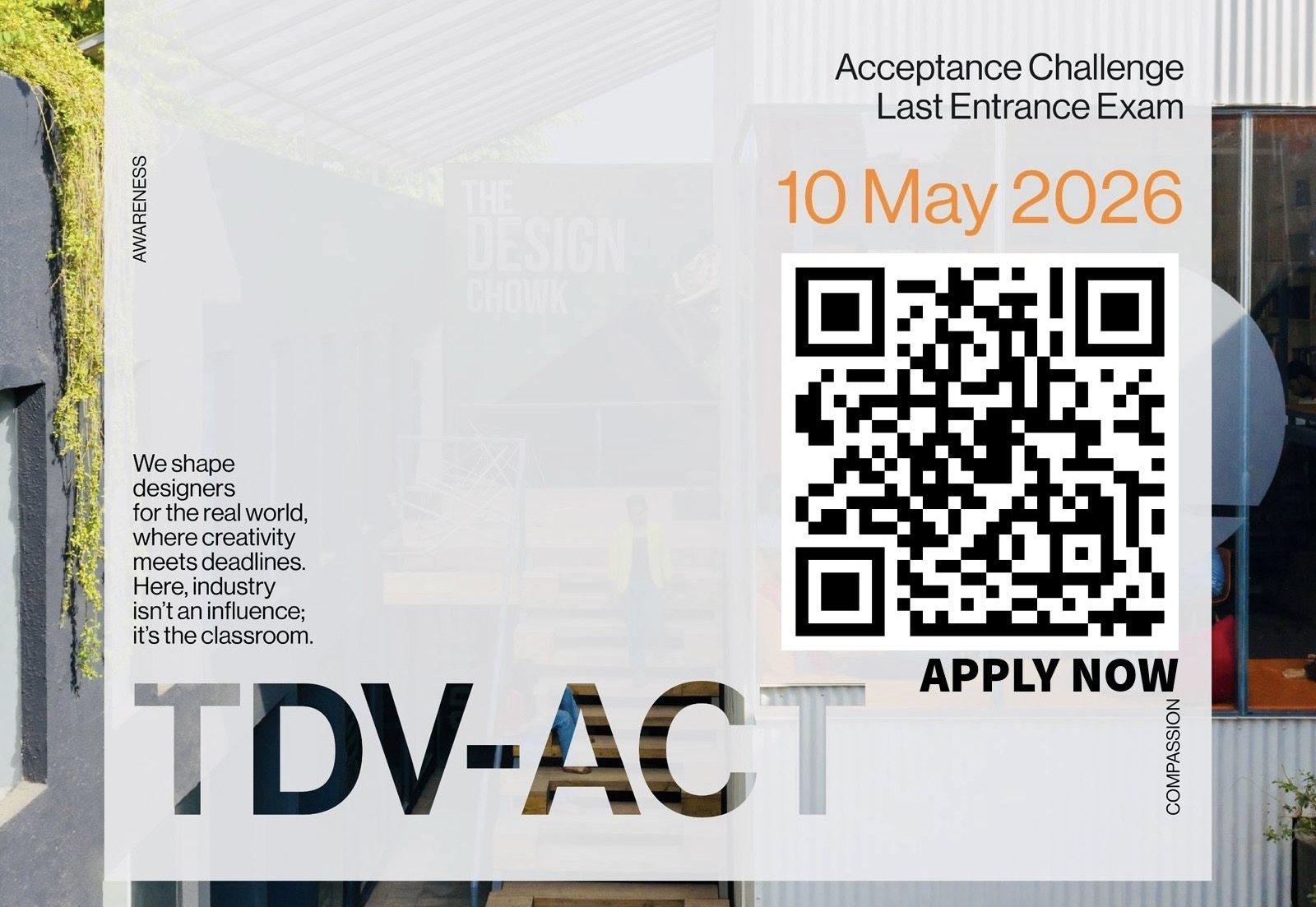
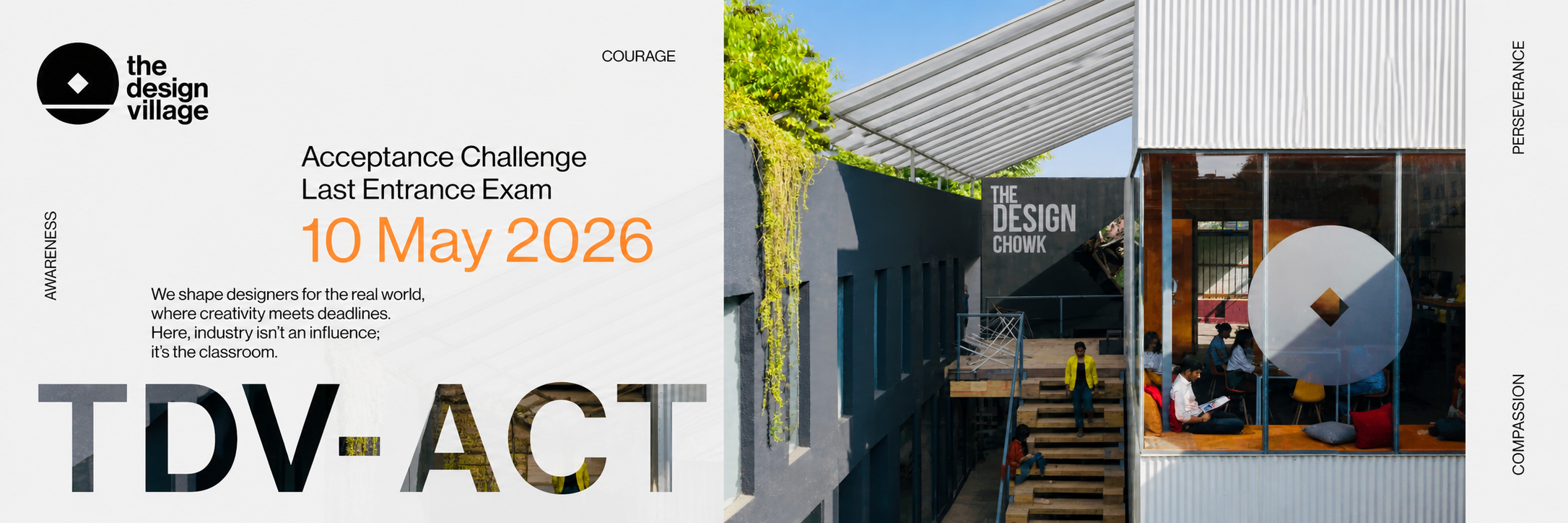
If you’re aspiring to build a successful career in design, the TDV-ACT (The Design Village Acceptance Challenge) is your gateway to one of India’s most progressive design institutes. With the last entrance exam scheduled for 10 May 2026, now is the time to prepare smartly and strategically.
At Pahal Design, we help students crack top design entrance exams like TDV, NID, NIFT, and UCEED with focused coaching and expert mentorship.
What is TDV-ACT (Acceptance Challenge)?
The Acceptance Challenge (AC) by The Design Village (TDV) is not a conventional entrance exam. It evaluates:
- Creativity and problem-solving skills
- Real-world design thinking
- Awareness and observation
- Courage and perseverance (core values highlighted in the exam philosophy)
Unlike traditional exams, TDV focuses on how you think, not just what you know.
Important Date to Remember
Last Entrance Exam Date: 10 May 2026
Missing this could mean waiting another year—so early preparation is key.
Why Choose The Design Village?
The Design Village stands out because:
- It integrates industry with education
- Emphasizes real-world projects
- Encourages creative freedom with discipline
- Builds designers who can meet deadlines and innovate simultaneously
“We shape designers for the real world, where creativity meets deadlines.”
How to Prepare for TDV Entrance Exam
Preparing for TDV requires a different approach compared to other design exams.
1. Build Design Thinking Skills
Focus on:
- Problem-solving exercises
- Case studies
- Real-life observation
2. Practice Creative Aptitude
- Sketching and visualization
- Idea generation
- Concept development
3. Improve Awareness
- Stay updated with design trends
- Learn about architecture, product design, and communication design
4. Solve Mock Tests
Regular practice with TDV-style questions helps build confidence and speed.
How Pahal Design Helps You Crack TDV-ACT
At Pahal Design, we go beyond textbooks. Our training focuses on:
✔ Structured Coaching
- Comprehensive study material
- Regular assignments and feedback
✔ Expert Faculty
- Mentors from top design institutes
- Personalized guidance
✔ Mock Tests & Evaluation
- Real exam simulations
- Performance tracking
✔ Portfolio Development
- Guidance for creating strong portfolios
- Interview preparation support
Why Start Early?
With competition increasing every year, early preparation gives you:
- More time to build creativity
- Better conceptual clarity
- Higher confidence during the exam
Apply Now & Start Your Design Journey
The countdown to 10 May 2026 has already begun. Don’t wait until the last moment.
Join Pahal Design today and take the first step toward your dream design career.
FAQs
Q1. Is TDV-AC difficult?
It’s not difficult if you prepare the right way. It tests creativity rather than rote learning.
Q2. Do I need drawing skills?
Basic sketching helps, but idea generation is more important.
Q3. Can I prepare at home?
Yes, but guided coaching like Pahal Design significantly improves your chances.
Final Thoughts
TDV isn’t just looking for students—it’s looking for thinkers, creators, and problem solvers. With the right preparation and mentorship from Pahal Design, you can confidently crack the TDV-ACT and secure your place in a top design institute.
For any details Call 8800-22-6864