What is the NID B.Des In-Person Sensitivity Test?
Download Admit Card of B.Des. TEST II: In-Person Sensitivity Test.
ADMISSIONS HANDBOOK 2026-27
The NID B.Des In-Person Sensitivity Test is the second stage of the National Institute of Design (NID) admission process for Bachelor of Design (B.Des) aspirants who qualify the NID DAT Prelims. This stage is designed to assess a candidate’s practical design abilities, creativity, observation skills, and problem-solving approach beyond written aptitude testing.
Unlike the prelims, which focus on design aptitude through pen-and-paper questions, the NID In-Person Sensitivity Testevaluates how well students think, create, and communicate design ideas in real-time.
If you are preparing for NID Admission 2026, understanding this stage can significantly improve your preparation strategy.
Why Does NID Conduct the In-Person Sensitivity Test?
Design is not just about drawing well—it is about understanding people, solving real-world problems, and thinking creatively.
The NID B.Des Sensitivity Test helps assess qualities that are essential for a successful design student, such as:
- Creative thinking and originality
- Observation and analytical ability
- Visualisation skills
- Hands-on model-making capability
- Material experimentation
- User-centered problem solving
- Communication and concept explanation
- Sensitivity toward human needs and environments
This stage ensures that shortlisted candidates possess the mindset required for professional design education.
Meaning of “Sensitivity” in NID Design Assessment
In design education, sensitivity refers to how thoughtfully a student responds to design problems.
This includes sensitivity toward:
User Needs
Understanding who will use the product or solution.
Example:
Designing furniture for:
- Children
- Senior citizens
- Differently-abled users
Aesthetic Awareness
Understanding:
- balance
- form
- colour harmony
- composition
- visual appeal
Environmental Awareness
Thinking about:
- sustainability
- material usage
- practical constraints
Social Sensitivity
Considering:
- cultural relevance
- emotional impact
- usability in daily life
NID wants students who can design with empathy—not just creativity.
What Happens in the NID In-Person Sensitivity Test?
The exact format may vary each year, but the assessment generally includes practical design challenges.
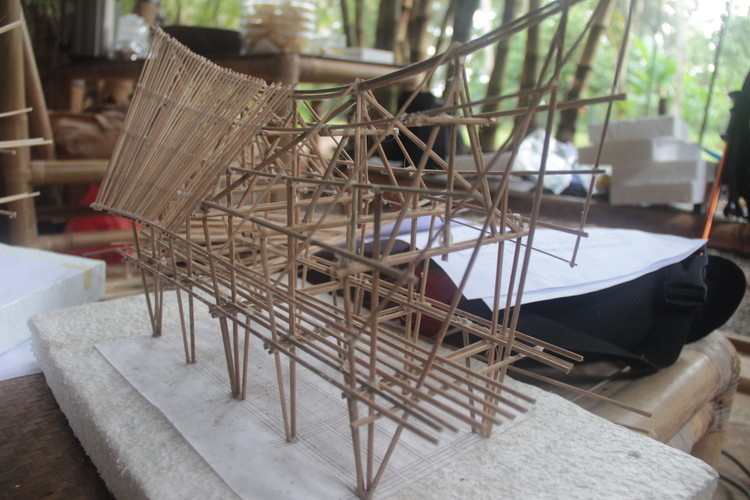
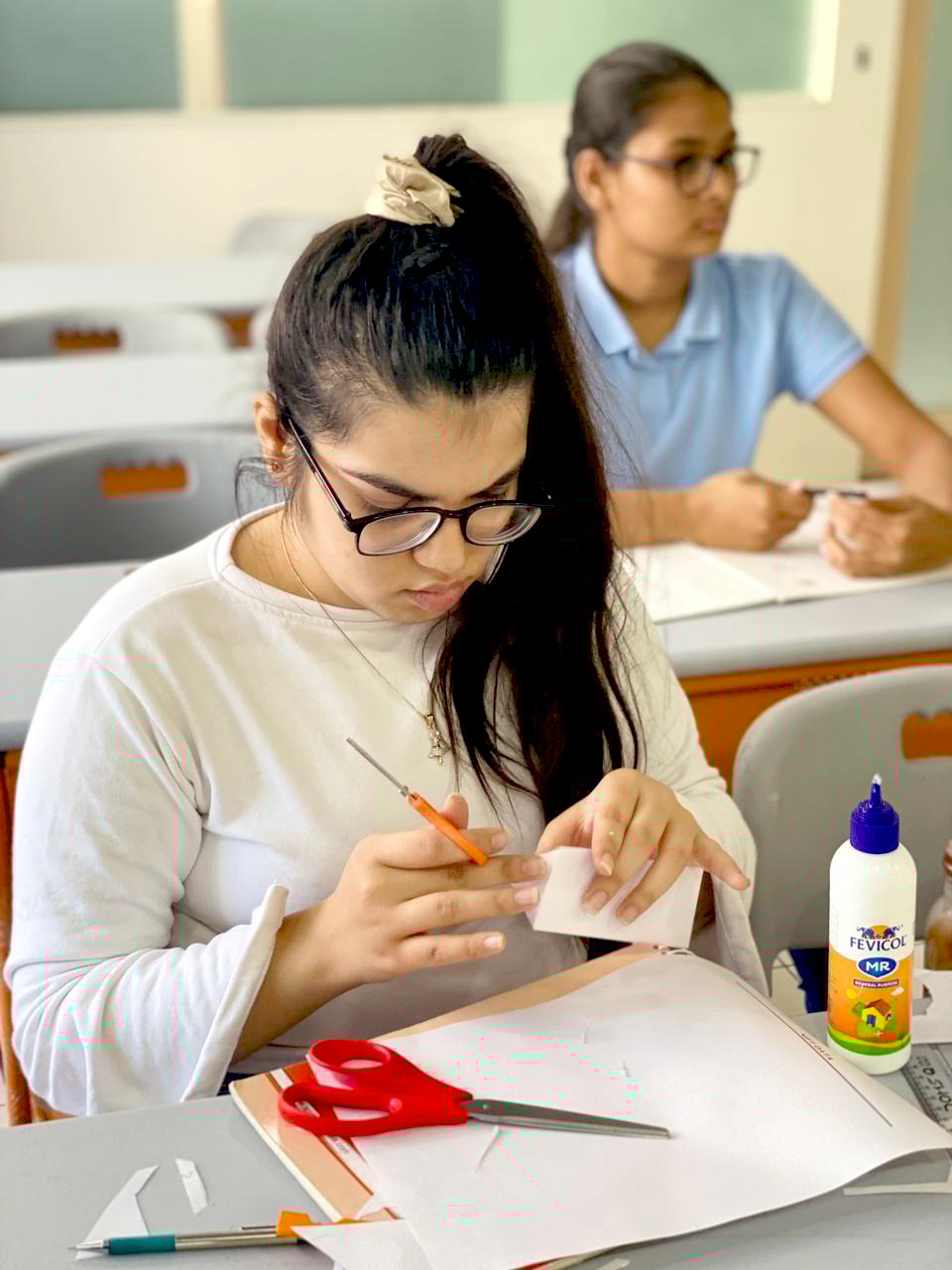
1. Studio Test / Model Making
Candidates may receive basic materials like:
- paper
- cardboard
- wire
- straws
- foam sheets
- clay
- sticks
- adhesives
Task examples:
- Build a desk organizer
- Create a wearable accessory
- Design a bridge structure
- Make a toy concept
The focus is on idea generation, execution, and innovation.
2. Observation-Based Exercises
These tasks evaluate visual awareness.
Examples:
- Object drawing from observation
- Memory sketching
- Visual interpretation
- Shape analysis
This tests your ability to notice details accurately.
3. Sketching & Concept Visualisation
Students may be asked to:
- create perspective drawings
- develop concept sketches
- design storyboard sequences
- communicate product ideas visually
The emphasis is on clarity of thought, not artistic perfection.
4. Concept Explanation / Interaction
Candidates may need to explain:
- design concept
- target user
- functionality
- reasoning behind design decisions
Strong communication can make a major difference.
Skills Evaluated in NID B.Des Sensitivity Test
The selection panel typically assesses:
Creativity
Can you think differently?
Innovation
Can you generate practical yet original ideas?
Problem Solving
How do you approach design challenges?
Material Handling
Can you create workable prototypes?
Time Management
Can you execute under exam pressure?
Communication
Can you explain your design confidently?
Empathy
Do you think from the user’s perspective?
Sample NID Sensitivity Test Questions
Here are some realistic examples:
- Design a school bag for primary students.
- Create packaging using newspaper only.
- Build a low-cost toy for visually impaired children.
- Redesign a water bottle for cyclists.
- Create a desk accessory from limited materials.
- Design a foldable furniture concept.
Practicing such exercises improves performance significantly.
How to Prepare for NID B.Des In-Person Sensitivity Test 2026
Practice Model Making Daily
Work with:
- paper
- cardboard
- clay
- straws
- wire
Improve speed and creativity.
Improve Observation Skills
Practice:
- object sketching
- perspective drawing
- visual memory exercises
Solve Design Challenges
Attempt one practical design brief every day.
Example:
“Design a lunchbox for school children.”
Learn User-Centered Design Thinking
Always ask:
- Who is the user?
- What problem am I solving?
- Is the solution practical?
- Can it be improved?
Practice Explaining Concepts
Even strong ideas fail if poorly presented.
Practice speaking about:
- your concept
- user need
- functionality
- innovation
Common Mistakes Students Make
Avoid these mistakes:
- focusing only on neatness
- ignoring usability
- weak time management
- copying generic ideas
- poor model finishing
- not explaining the design logic
- forgetting the target user
Is NID Sensitivity Test Difficult?
Yes, because competition is intense.
However, students with consistent practical preparation perform well.
This round is less about perfect artwork and more about:
- smart thinking
- originality
- practical creativity
- user empathy
Final Thoughts
The NID B.Des In-Person Sensitivity Test 2026 is one of the most important stages of the admission process for design aspirants.
If you want to crack NID, focus not only on drawing but also on practical creativity, observation, design thinking, and communication.
With structured preparation and regular practice, this stage becomes highly manageable.