
NIFT Situation Test 2026 – What Was Asked?

If you appeared (or are preparing) for the NIFT Situation Test 2026, here’s a real exam breakdown from Day 1 that gives you a crystal-clear idea of what to expect:

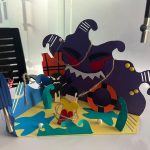
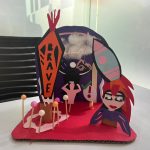
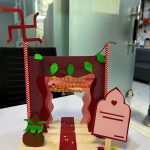
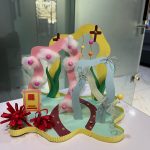
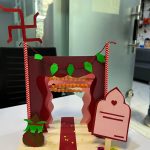
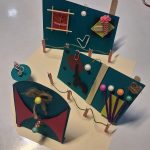
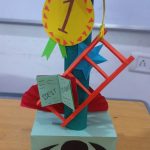
Question 1: Window Display Design

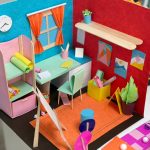
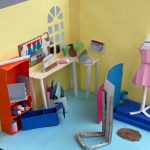
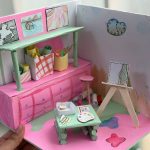
Create a window display model based on one of the following themes:

  • A. Book
  • B. Fashion Accessories

The goal: Showcase creativity, storytelling, and visual merchandising skills.

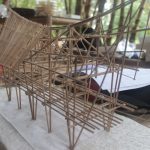
Question 2: Functional Model Design

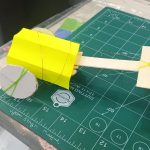
Design a usable product model for:

A. Kindergarten

B. Senior Citizen

The focus: Practicality, user-centered thinking, and innovation.

Materials Provided in the Exam

You had to work with limited and slightly unconventional materials (yes, including those “weird” wooden blocks 😅):

  • Ivory Sheet – 1
  • Mountboard – 1
  • Ice-cream sticks – 10
  • Toothpicks – 10
  • All pins – 20
  • Wooden blocks – 12
  • Pastel Sheets (Yellow, Pink, Blue) – 1 each
  • Wire – 1 meter
  • Jute Thread – 1 meter
  • Newspaper – 1 page
  • Transparent Sheet – 1

No extra materials allowed. Your creativity = your power.

How to Approach These Questions (Expert Strategy)

1️⃣ Window Display (Book / Fashion Accessories)

What evaluators look for:

  • Strong concept/story
  • Neatness and finishing
  • Visual appeal (color harmony + structure)
  • Smart use of transparency & layers

Winning ideas:

  • Book theme: Open book transforming into a 3D world (use mountboard + pastel sheets)
  • Fashion accessories: Boutique-style display with hanging elements (use wire + thread)

Pro Tip:
Use the transparent sheet to create a glass effect—it instantly upgrades your model.

2️⃣ Functional Model (Kindergarten / Senior Citizen)

What evaluators look for:

  • Usability
  • Safety
  • Innovation
  • Target audience understanding

Winning ideas:

  • Kindergarten: Interactive toy organizer, mini learning station, or play-based furniture
  • Senior Citizen: Easy-grip tool, foldable stand, support aid, or organizer

Pro Tip:
Explain your user problem + solution clearly in your write-up. That’s where many students lose marks.

Smart Use of Materials (Game-Changer Tips)

  • Ice-cream sticks → structure/frame
  • Toothpicks → detailing
  • Wire + jute thread → hanging elements / support
  • Newspaper → texture / filler / base
  • Wooden blocks → elevation (use creatively!)
  • Pastel sheets → color contrast
  • Mountboard → strong base

Don’t waste materials early—plan first, then build.

Common Mistakes to Avoid

  • ❌ Overcomplicating the design
  • ❌ Weak finishing (glue marks, messy cuts)
  • ❌ Ignoring the theme
  • ❌ No clear concept explanation
  • ❌ Poor time management

Time Management Strategy

  • 10–15 mins → Idea sketch + planning
  • 60–70 mins → Model making
  • 15–20 mins → Finishing + write-up

Final Thoughts

The NIFT Situation Test 2026 was not about fancy materials—it was about:

✔ Creativity under pressure
✔ Smart thinking
✔ Clean execution
✔ Strong storytelling

If you can turn basic materials into a meaningful design, you’re already ahead of the competition.


Call 8800-22-6864 for details

The NIFT Situation Test 2026, scheduled for 26th April 2026, is the final and most crucial step for aspirants aiming to secure admission into the prestigious National Institute of Fashion Technology. While many students clear the written exam, the Situation Test often becomes the make-or-break stage.

This round evaluates your creativity, material handling, time management, and presentation skills. The good news? With the right approach, you can stand out confidently.

Here are proven, practical tips to help you ace the Situation Test.

1. Understand the Theme Clearly

Before touching any material, read the question carefully. Many students lose marks simply because they misinterpret the theme.

Take a minute to:

  • Break down the requirement
  • Visualize your idea
  • Plan your concept mentally

A strong concept always beats random creativity.

2. Master Time Management

You’ll have limited time, so divide it wisely:

  • Planning: 5–10 minutes
  • Execution: 70% of the time
  • Write-up: Last 10–15 minutes

Avoid spending too much time decorating one section while leaving others incomplete.

3. Neatness Matters More Than You Think

Your model should look clean, precise, and well-finished.

  • Avoid visible glue stains
  • Cut materials neatly
  • Ensure proper alignment

Remember, presentation reflects your design discipline.

4. Build a Strong Foundation

A weak base can ruin your entire model.

  • Use corrugated sheets or thick materials for the base
  • Keep heavier elements at the bottom
  • Use lighter materials for upper structures

Stability is key — your model should stand firm without support.

5. Think Beyond Sticking Materials

Creativity is not about how many materials you use, but how you use them.

Try:

  • Folding
  • Weaving
  • Layering
  • Rolling

These techniques add depth and dimension, making your model visually appealing.

6. Play with Texture

Combining materials smartly can elevate your design.

  • Mix OHP sheets with paper
  • Combine rough and smooth textures
  • Add contrast to create visual interest

Texture gives your model a professional and thoughtful look.

7. Avoid Pen Marks on the Model

Never write or draw directly on your model surface.

It:

  • Looks unprofessional
  • Reduces overall neatness
  • Distracts from your design

Keep all explanations strictly for the write-up sheet.

8. Maintain a Clean Workspace

Examiners do observe your working style.

  • Keep your desk organized
  • Remove waste materials
  • Present your final model neatly

A clean workspace reflects clarity of thought and discipline.

9. Use Glue Smartly

Adhesives can make or break your model.

  • Use regular glue for paper
  • Use strong adhesive for heavy materials
  • Apply glue neatly — no excess

Messy sticking can ruin even the best concepts.

10. Write a Clear and Crisp Write-up

Your write-up explains your concept — don’t ignore it.

Keep it:

  • Short and precise
  • Easy to read
  • Structured in points

Include:

  • Concept idea
  • Material usage
  • Design inspiration

Avoid overwriting — clarity wins over complexity.

Final Thoughts

The NIFT Situation Test 2026 is not about perfection — it’s about clarity, creativity, and execution under pressure.

Stay calm, trust your preparation, and focus on:

  • Smart planning
  • Clean execution
  • Strong presentation

If you avoid common mistakes and follow these tips, you’re already ahead of most candidates.

About Pahal Design

At Pahal Design, we specialize in preparing students for NIFT, NID, UCEED, CEED and other design entrance exams with expert guidance, mock tests, and hands-on practice for the Situation Test.

Schedule a free counselling session WhatsApp WhatsApp