Pahal Design Bhopal centre is located at Arena Colony with more than 3000 Square feet area. Every year students from all across Madhya Pradesh Coming to Pahal Design Bhopal Centre. Pahal Design Bhopal is the preferred choice for NID, NIFT, NATA, UCEED, JEE Paper 2 , BFA Coaching Classes. Our Classes are designed keeping in mind ease of understanding and enabling students to achieve success in various entrance and competitive exams.
Our team comprises faculty members from NID, NIFT , IIT and SPA. We have successfully sent hundreds of students to NID, NIFT, and top Architecture colleges like IIT NIT, SPA, CEPT and many more. Our outstanding results, year-on-year, are a true reflection of our excellence.
Pahal Design is in now at heart of city M P Nagar Zone 2, Bhopal with better infrastructure and facilities. We have started 8 Days Free classes for NIFT Situation Test and NID Studio Test 2025.
All design colleges application Forms are at Pahal Design.
For any further details you can contact at 76777-16770 or mail us at corporate@pahaldesign.com
The National Institute of Fashion technology (NIFT) has announced the results of the NIFT 2023. To check your results, log into the result portal using your email id and password.
The final results for B.Des and M.Des courses will be prepared by giving weightage to CAT, GAT, and Situation Test/ Personal Interview. Meanwhile, the final results for the M.F.Tech and M.F.M courses will be prepared by giving weightage GAT and Personal Interviews.
Interestingly, the final results for the B.F.Tech program will be prepared solely based on GAT Scores.
Question 1*- a simple picture of tap was given and we had to design it for 3 different types of people in 3 different boxes, one for each.
a) a six year old
b) an artist
c) impared eye person
Question 2*- story boarding
A fisherman is sitting near the shore/sea and a kingfisher bird is there too. They both are having an intense conversation and it ends with
*Kingfisher- ” at last, you’re a human being”*
Make the story and give it a title, write the story in the given box and illustrate the story in the 3 boxes given.
Question 3* – all the parts of a cycle were given (even the vvvvv little ones, way too many parts were there in different angles).
Draw a proper cycle using all the parts.
Question 4*- perspective question
A room was given with alot of details and a person was looking at his friend peeping from the window. We had to draw what the friend of the person would see. The whole composition was given in one point perspective.
On the 2nd of January 2022, NID (National Institute of Design)Exam 2022 successfully conducted NID DAT Prelims in pen and paper mode across 23 test cities in the country. National institute of Design conducts its entrance exam in two phases; DAT Prelims & DAT Mains. NID DAT Prelims is the first examination of the two phase entrance process.
Students from across the country aspiring to study and build a career in the field of design appear for NID DAT exam every year. Candidates who qualify NID DAT secure admission in Bachelor of Design (B.Des), Graduate Diploma Program in Design (GDPD) & Master of Design (M.Des) courses offered by National Institute of Design.
Approximately 15000 students appeared for NID DAT Prelims 2022 across the country. Even though the candidate count of 2022 is 25-30% less than the number of candidates who appeared in NID DAT Prelims 2021, the dedication and enthusiasm of the students was clearly visible across all test centres in the country.
NID DAT Prelims for B.Des is a 3 hour examination of 100 marks comprising multiple choice questions (G.K, Logical Reasoning, and English) and creative section whereas NID DAT Prelims for M.Des is a 2 hr 30 minutes examination with a 30 minute common design aptitude section and a 2 hour discipline specific creative section. If the candidate has chosen 2 disciplines, then the exam duration is increased to 4 hours 30 mins.
Question 1– a simple picture of tap was given and we had to design it for 3 different types of people in 3 different boxes, one for each.
a) a six year old
b) an artist
c) impaired eye person
Question 2- story boarding
A fisherman is sitting near the shore/sea and a kingfisher bird is there too. They both are having an intense conversation and it ends with
Kingfisher- ” at last, you’re a human being”*
Make the story and give it a title, write the story in the given box and illustrate the story in the 3 boxes given.
Question 3 – all the parts of a cycle were given (even the vvvvv little ones, way too many parts were there in different angles).
Draw a proper cycle using all the parts.
Question 4 – perspective question
A room was given with alot of details and a person was looking at his friend peeping from the window. We had to draw what the friend of the person would see. The whole composition was given in one point perspective.
There are 5 major faculty/streams at NID for students to choose from –
Faculty of Communication Design
(Animation Design, Film & Video communication, Graphic Design, Photography Design)
Faculty of Industrial Design
(Ceramic & Glass Design, Furniture & Interior Design, Product Design, Toy & Game Design, Transportation & Automobile Design, Universal Design)
Faculty of Inter-Disciplinary Design Studies
(Design for retail experience, Strategic Design Management)
Faculty of Information technology Integrated programmes
(Digital Game Design, Information Design, Interaction Design, New Media Design)
Faculty of Textile, Apparel, Lifestyle and Accessory Design
(Apparel Design, Lifestyle accessory Design & Textile Design)
Students who appeared for DAT Prelims 2022, found the difficulty level of the examination to be moderate. The B.Des question paper had 27 multiple choice questions from static G.K, English and non verbal reasoning of 40 marks. The creative section carried 60 marks covering 4 questions of frames, observation and assembly, story boarding and perspective.
When interviewed by our counselors at Pahal Design, many students were ecstatic after attempting the examination and were extremely thankful to the faculties for their guidance. Maximum students found time management an essential component to deliver their best during the examination and were very grateful for the consecutive mock tests which helped them take a feel of the examination beforehand.
NID DAT is a tough examination; hence students need constant practice and guidance from faculties at every step of their preparation. The students who will qualify NID DAT Prelims will proceed for NID DAT Mains.
NID DAT Mains for B.Des/GDPD/M.Des is the studio test of 100 marks. It includes doodling concept, 3D Modeling, Clay Modeling, Wire moulding, Psychometric test, Audio Visual test, Interview and portfolio round. The final score of the candidate is calculated on the basis of both their DAT Prelims (30% weightage) and DAT mains score (70% weightage).
Bachelor of Design (B.Des) is offered at NID Ahmedabad (Gujarat), NID Vijayawada (Andhra Pradesh), NID Kurukshetra (Haryana), NID Bhopal (Madhya Pradesh) & NID Jorhat (Assam) with a total intake of 425 seats.
Masters of Design (M.Des) is offered at NID Bangalore (Karnataka), NID Ahmedabad & NID Gandhinagar (Gujarat) with a total intake of 347 seats.
“We are India’s leading institution in design, fashion, business, and media, and have been a catalyst for the success of students across creative industries for 27 years. We offer over 40 uniquely designed UG, PG and professional development programs through its campuses in Delhi, Noida, Jaipur, Mumbai, Bangalore (Launchingsoon) and Kolkata (Launching soon). Our reputation of preparing ‘Industry ready’ professionals has been recognized by leading fashion, retail and design brands, which has helped in establishing a healthy track record of over 95 per cent placement for the last 3 years. Our path-breaking alliances with renowned organizations such as the Fashion Design Council of India (FDCI), Association of Designers of India (ADI), and Institute of Indian Interior Designers (IIID) have ensured that its faculty and students get exclusive access to ‘industry in the classroom’. Awards: – Best private fashion college in India 5th consecutive year by India Today – MDRA, Outlook – Drshti and The Week – Hansa survey. – Best Design Institute in India’ by ASSOCHAM, 4 years in a row since 2016. – Only Indian institute to feature in Business of Fashion’s Top 25 Global Fashion School Rankings (Graduate) in 2017. – Recognized as a Great Indian Institute 2018 by Forbes and Great Place to Study. – Jaipur campus ranked 1 of the most beautiful college campuses in India by India Today. – Best Education Brands 2017’ in Fashion Design Category by The Economic Times. Global Associations: – Manchester Metropolitan University (MMU), UK – University of Derby, UK – Torrens University, Australia – Fashion Institute of Design & Merchandising, US – Domus Academy, Italy – Media Design School, New Zealand
We believe that with support from each other, we can navigate the new reality better. Therefore we are offering special Covid scholarships to both our new and existing students, to reinforce our support on their creative journey.
UPES School of Design nurtures responsible designers who possess cultural understanding, are agile and have broad-based innovation capabilities; designers who can create intelligent, inclusive, sensitive design, whether to make big differences or small ones. With an infrastructure comprising high-end computer workstations, vacuum-forming machines, spray-painting booths, among other creative learning aids, and industry collaborations that interweave practical learning with classroom teaching, students learn to employ design-led problem-solving techniques to address the most pressing issues of the world.
SCHOOL OF DESIGN
1. 100% Placement record
2. World-class labs and studios (Mac, CAD, Cintiq, Clay and Paint studio)
3. Non-Exam Pathway: Admissions through National Level(NID/NIFT/UCEED)
University of Petroleum and Energy Studies (UPES) is accepting registration form for Design UG/ PG programmes. The UPES Design application form for UG and PG programmes is available in both online and offline mode. For UG Design candidates will be shortlisted on the basis of UPES Design Aptitude Test (UPESDAT) score and for UPES Design PG programme, candidates UPESDAT/ CEED (Common Entrance Examination for Design) scorecard will be considered for the admission process.
UPES Design admission 2021- Programme offered and fee structure (UG Programme)
Programme name
Total fee
B.Des – Industrial & Product Design
Rs 16,04,500
B.Des – Interior & Retail Space Design
Rs 16,04,500
B.Des – Transportation & Mobility
Rs 16,04,500
B.Des – Animation & VFX Design
Rs 16,04,500
B.Des – Graphics & Communication Design
Rs 16,04,500
B.Des – Game Design
Rs 16,04,500
B.Des – Fashion Design
Rs 16,04,500
B.Des – User Experience & Interaction Design
Rs 16,04,500
UPES Design admission 2021- Programme offered and fee structure (PG Programme)
Programme name
Total fees
M.Des – Fashion Design
Rs 10,81,000
M.Des – Transportation Design
Rs 10,81,000
M.Des – Product Design
Rs 10,81,000
M.Des – User Experience & Interaction Design
Rs 10,81,000
M.Des – Transportation & Mobility Design
Rs 10,81,000
UPES Design 2021: Eligibility criteria (UG Programme)
Minimum 50% score in Class 10, 12
Minimum valid score from UPESDAT (Or)
Minimum 50% score in Class 10, 12 with valid JEE Main/UCEED scores
UPES Design 2021: Eligibility criteria (PG Programme)
Minimum 50% Score in 10 and 12
B. Tech / BE in any relevant discipline / B. Arch / BFA/ Interior Design/ B. Des/ BVA (or)
3 year Degree such as B.Sc. / BA/ BFA/ BVA in Applied Art/ Design of any other relevant disciplines (with min. 50% marks)
2 years M.Sc. / M.Tech. In Computer Science, CSE, IT subjects / domains (only for Interaction Design). Or equivalent.
Application fee and mode of application
Application fee (Online)
Rs 1,850
Mode of application
Online
Application fee (Offline)
Rs 1,750
Mode of application
Offline
UPES Design (UG): Selection process
Candidates are selected based on UPESDAT scores for personal interviews and to present work portfolio
Minimum valid score from JEE Main/UCEED are eligible for admission process
UPES Design (PG): Selection process
Candidates with minimum valid score from UPESDAT/CEED score above 40.5 is eligible for admission process and work portfolio presentation.
For any further details connect us at 9821-651-399
*Why Fashion Matters* spans Old Delhi charms in its *eighth edition*.
Live in session with *Mr Karan Torani*, whose love for the rich heritage of India and his childhood memories has made Torani a household name in a span of few years. His work breaks barriers as he questions the socio cultural premise of our current times to find a wider acceptance in shifting landscapes of today. His exuberant collections are a reflection of what we as a culture represent.
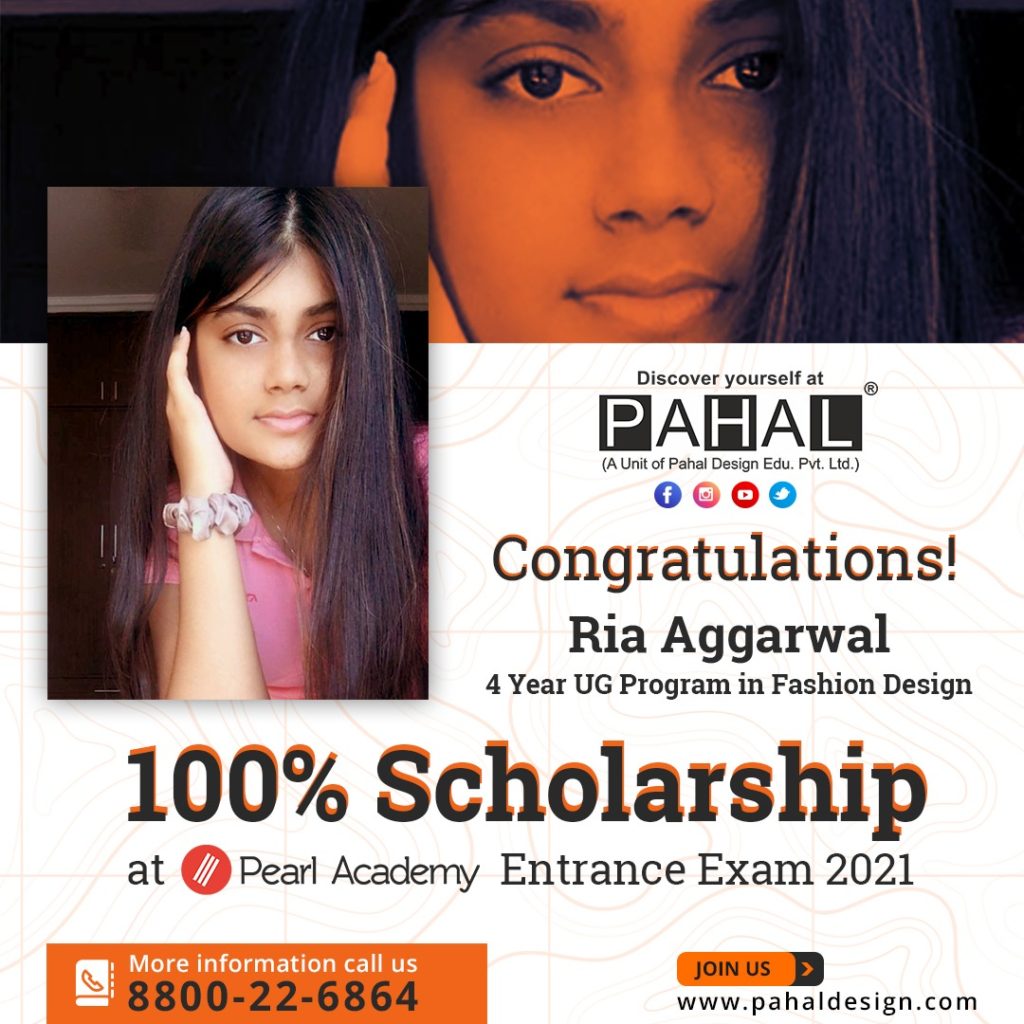
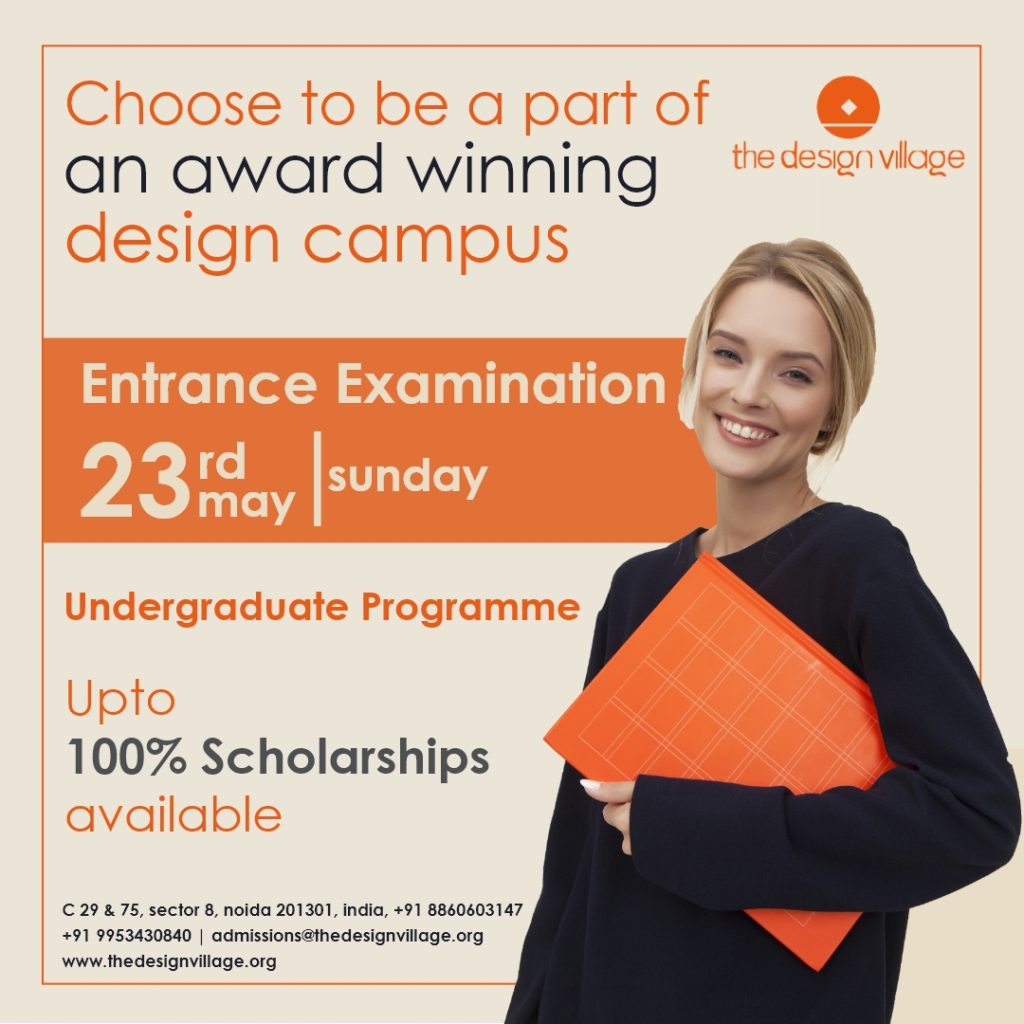
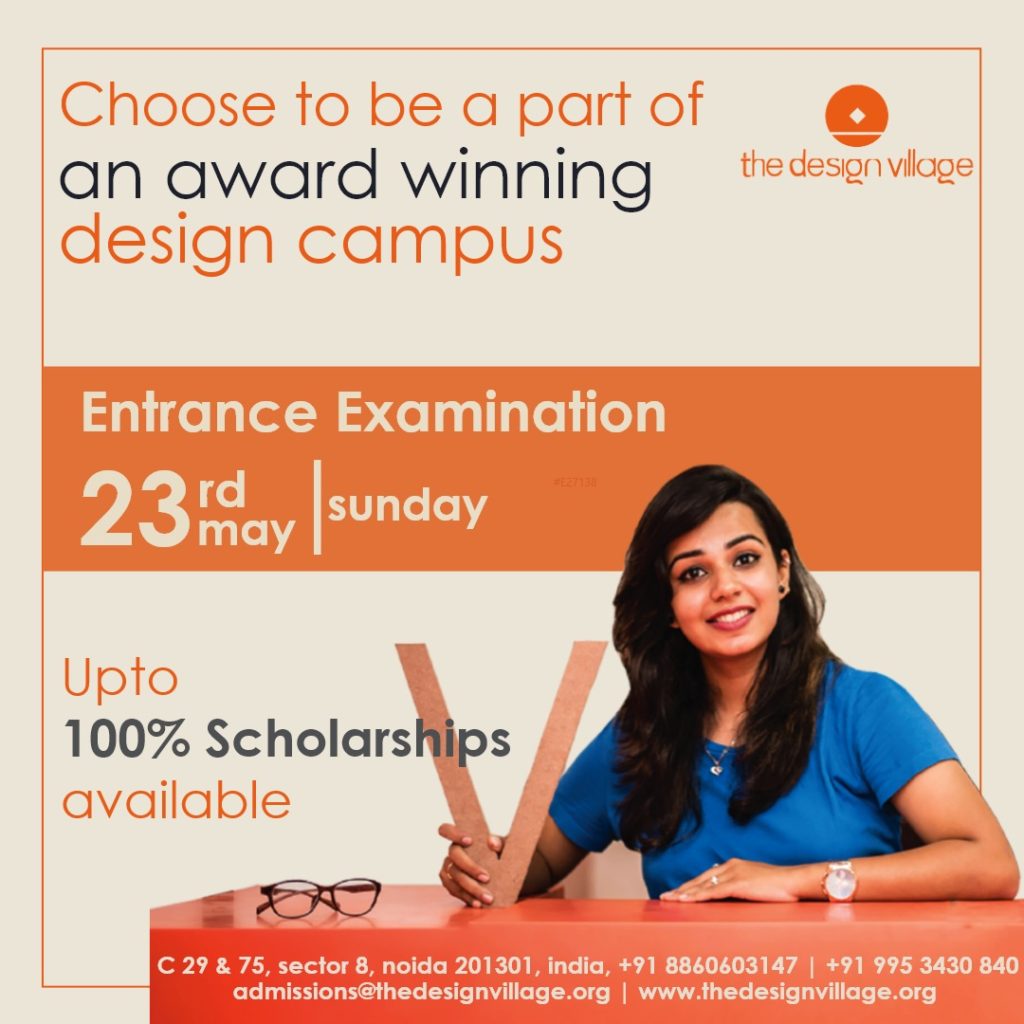
Grab upto 100% scholarship on the basis of your performance in the entrance exam.
An award-winning campus, exposure to the international design community, UGC recognized degrees and a student-teacher ratio of 10:1, The Design Village is one of the most sought after institutes among students.
*Scholarships upto 100% up for grabs!!* Apply now and get a chance to avail it.
(Scholarships based on performance in entrance exam)
An award-winning campus, exposure to the international design community, UGC recognized degrees and a student-teacher ratio of 10:1, The Design Village is one of the most sought after institutes among students.
• Examination Dates – 22nd May 2021, Mode of Exam – Online
• Personal Interview – 26th & 27th May 2021
• Results – 2nd June 2021
• Last date to apply – 16th May 2021
• Last date to apply for Who’s Next Scholarship: 19th May 2021
Procedure & Guidelines
Candidates applying online are required to apply through the Admissions 2021 Portal (ADMISSIONS 2021) on the official home page of Pearl Website www.pearlacademy.com
Candidates appearing in their final examinations can also apply provisionally.
Candidates can apply through the Online mode using either Debit/Credit Card/Net Banking
Application fee is to be paid using Credit Card / Debit Card / Net banking Please keep your Credit Card / Debit Card ready with you before applying.
Candidates are required to Register Online using a Valid e-mail ID before applying. This email ID should be valid for at least next 1 year.
Candidates applying online are required to apply through the Admissions 2021 Portal (ADMISSIONS 2021) on the official home page of Pearl Website
Candidates appearing in their final examinations can also apply provisionally.
Candidates can apply through the Online mode using either Debit/Credit Card/Net Banking.
Application fee is to be paid using Credit Card / Debit Card / Net banking. Please keep your Credit Card / Debit Card/ ready with you before applying.
Candidates are required to Register Online using a Valid e-mail ID & Mobile number before applying.
Candidates are advised to keep the following ready with them before applying online:
Credit / Debit Card/Net Banking/.
Scanned copy of passport size photograph [The photograph must be a recent passport size color picture, preferably in white background. Photographs with Caps, hats and dark glasses are not acceptable. The image should be in .jpg format only. Size of file should not be more than 1 mb].
Details of educational qualifications (marks / grade / year of passing etc.)
Payment Guidelines
Fill up the registration form with basic details
Verify the OTP which will be sent on registered OTP
After validating OTP, An email activation link will be sent in your registered email id
After clicking on “Activation Key”, student will get a page to make to pay the online application form charges.
After successful payment of Rs. 1500/-, an auto confirmation email & SMS will be sent on your registered email Id /Mobile No containing the follow:-
a) confirmation of successful Registration & Payment
b) Your online application form no.
c) Instructions to fill the complete the application form for further process
After receiving the payment submission confirmation email, click on given URL to fill the incomplete form
Update the required application form
Click on “Click here for final submit” to submit the filled application
After completion of your Online Application SAVE your Online Application and take a print out. • An auto-generated confirmation mail will be sent on your Email ID after the complete form submission:
for online form submission – email id will be your User ID & password created by you
for Offline form submission – Email ID will be your User ID & Password will be sharing on your email id, once form will be submitted at our end.
Candidates applying online are required to apply through the Admissions 2021 or apply now on the official home page of Pearl Website
Candidates appearing in their final examinations can also apply provisionally.
Candidates can apply through the Online mode using either Debit/Credit Card/Net Banking/.
Application fee is to be paid using Credit Card / Debit Card / Net banking. Please keep your Credit Card / Debit Card / with you before applying.
Candidates are required to Register Online using a Valid e-mail ID & Mobile number before applying.
General Instructions
Pearl Academy is a unit of “Creative Arts Education Society”, a society registered under the Societies Registration Act, 1860, New Delhi.
Candidates applying online are required to apply through the Admissions 2021 Portal (ADMISSIONS – 2021) on the official home page of Pearl Website (www.pearlacademy.com). Please read the Guidelines for Applying carefully before applying.
Candidates can apply through the Online mode using either Debit/Credit Card or Demand Draft.
Application fee of Rs. 1500/- is to be paid using Credit Card / Debit Card / Demand Draft. Please keep your Credit Card / Debit Card / ready with you before applying.
Candidates are required to Register Online using a Valid e-mail ID before applying.
Candidates can also apply through Offline mode by purchasing a hard copy of Application form the Pearl Academy campuses
Candidates appearing in their final examinations can also apply provisionally.
Pearl Academy (“Academy”) reserves the right to cancel a course before or after its commencement by giving a notice, at any time due to any internal technical or administrative reasons or due to insufficient strength of the course. If Academy cancels a course, you will be eligible for a full refund of the course fee. Academy may also offer a transfer to another course as an alternative, subject to payment or refund of any difference in course fees.Academy will process any refund due as soon as possible and, in any case, within 45 days of notice of cancellation. The refund will be made using the same method of payment that you originally used to make your course booking unless otherwise expressly agreed.
Academy will make all reasonable efforts to deliver the course as outlined on Academy’s site and in any brochure or published material. However, Academy reserve the right to:
Alter the timetable, location or presenters specified for a course; and
Make reasonable amendments to the content and syllabus of a course, when necessary.
Academy reserve the right to cancel your course booking in Academy’s absolute discretion, and refund all fees paid by you, irrespective of whether the course itself is to proceed, without any further liability on our part.
Academy also reserves the right to exclude you from any course before or after its commencement of course, if in Academy’s absolute discretion Academy consider that you are impeding the provision of the course or other of Academy’s activities, or your presence is bringing or threatening to bring the Academy or any part of it or its subsidiaries into disrepute. In these circumstances, Academy will refund all fees paid by you but will have no further liability to you in respect of such termination or exclusion.
Pearl Academy reserves the right to cancel / add / change any entrance test center(s) due to administrative reasons. Other centers may also be added and such information, as well as the exact location of the centers, will be notified later.
Admit cards for Written Test & Personal Interviews for both admission cycles will be available 4 days before the Written Test. Candidates are required to download Admit Cards from Pearl Website only. Please check Pearl website regularly for updates.
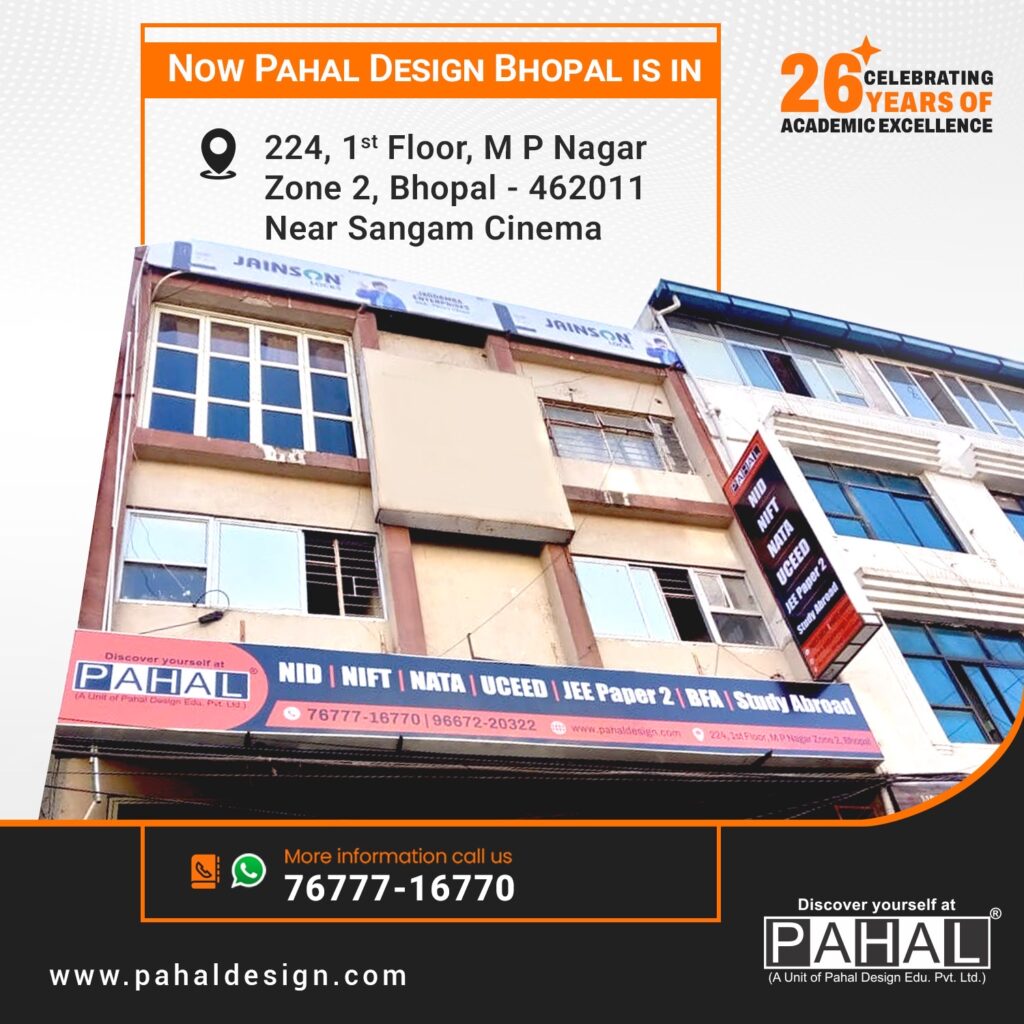 Pahal Design Bhopal centre is located at Arena Colony with more than 3000 Square feet area. Every year students from all across Madhya Pradesh Coming to Pahal Design Bhopal Centre. Pahal Design Bhopal is the preferred choice for NID, NIFT, NATA, UCEED, JEE Paper 2 , BFA Coaching Classes. Our Classes are designed keeping in mind ease of understanding and enabling students to achieve success in various entrance and competitive exams.
 The National Institute of Fashion technology (NIFT) has announced the results of the NIFT 2023. To check your results, log into the result portal using your email id and password.
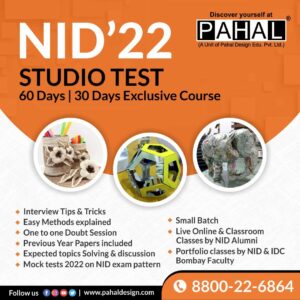 On the 2nd of January 2022, NID (National Institute of Design)Exam 2022 successfully conducted NID DAT Prelims in pen and paper mode across 23 test cities in the country. National institute of Design conducts its entrance exam in two phases; DAT Prelims & DAT Mains. NID DAT Prelims is the first examination of the two phase entrance process.
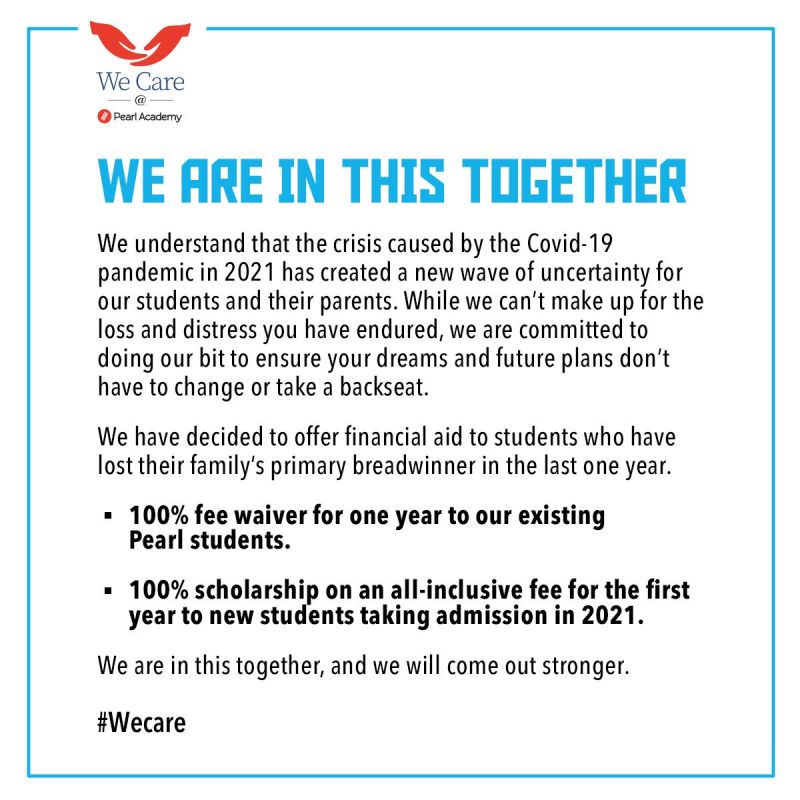 “We are India’s leading institution in design, fashion, business, and media, and have been a catalyst for the success of students across creative industries for 27 years. We offer over 40 uniquely designed UG, PG and professional development programs through its campuses in Delhi, Noida, Jaipur, Mumbai, Bangalore (Launchingsoon) and Kolkata (Launching soon). Our reputation of preparing ‘Industry ready’ professionals has been recognized by leading fashion, retail and design brands, which has helped in establishing a healthy track record of over 95 per cent placement for the last 3 years. Our path-breaking alliances with renowned organizations such as the Fashion Design Council of India (FDCI), Association of Designers of India (ADI), and Institute of Indian Interior Designers (IIID) have ensured that its faculty and students get exclusive access to ‘industry in the classroom’. Awards: – Best private fashion college in India 5th consecutive year by India Today – MDRA, Outlook – Drshti and The Week – Hansa survey. – Best Design Institute in India’ by ASSOCHAM, 4 years in a row since 2016. – Only Indian institute to feature in Business of Fashion’s Top 25 Global Fashion School Rankings (Graduate) in 2017. – Recognized as a Great Indian Institute
 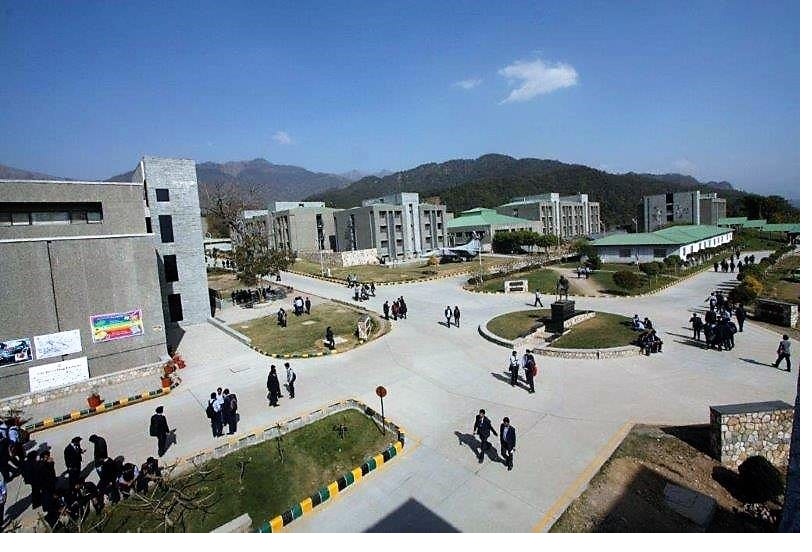 UPES School of Design nurtures responsible designers who possess cultural understanding, are agile and have broad-based innovation capabilities; designers who can create intelligent, inclusive, sensitive design, whether to make big differences or small ones. With an infrastructure comprising high-end computer workstations, vacuum-forming machines, spray-painting booths, among other creative learning aids, and industry collaborations that interweave practical learning with classroom teaching, students learn to employ design-led problem-solving techniques to address the most pressing issues of the world.
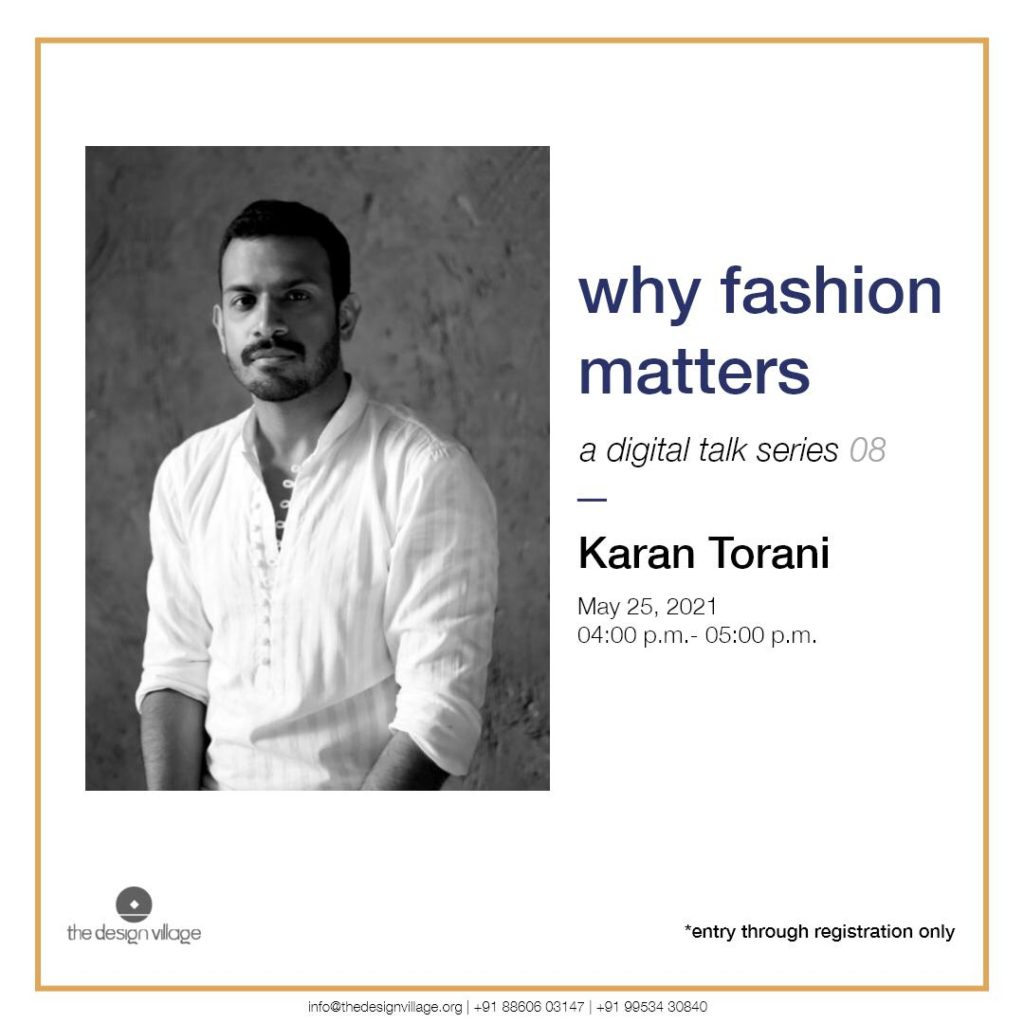 *Why Fashion Matters* spans Old Delhi charms in its *eighth edition*.
 Greetings from The Design Village!
 Greetings from The Design Village!