 UCEED 2024 will be conducted by the Indian Institute of Technology Bombay under the guidance of the UCEED-CEED Implementation Committee 2024 (henceforth referred to as the UCI Committee).
UCEED 2024 is open to all nationals (Indian/Foreign). Candidates seeking admission to the Bachelor’s Degree programme in Design (BDes) at Indian Institute of Technology Bombay (IITB), Indian Institute of Technology Delhi (IITD), Indian Institute of Technology Guwahati (IITG), Indian Institute of Technology Hyderabad (IITH), Indian Institute of Technology Roorkee (IITR) and Indian Institute of Information Technology Design and Manufacturing Jabalpur (IIITDMJ), must appear for UCEED 2024.
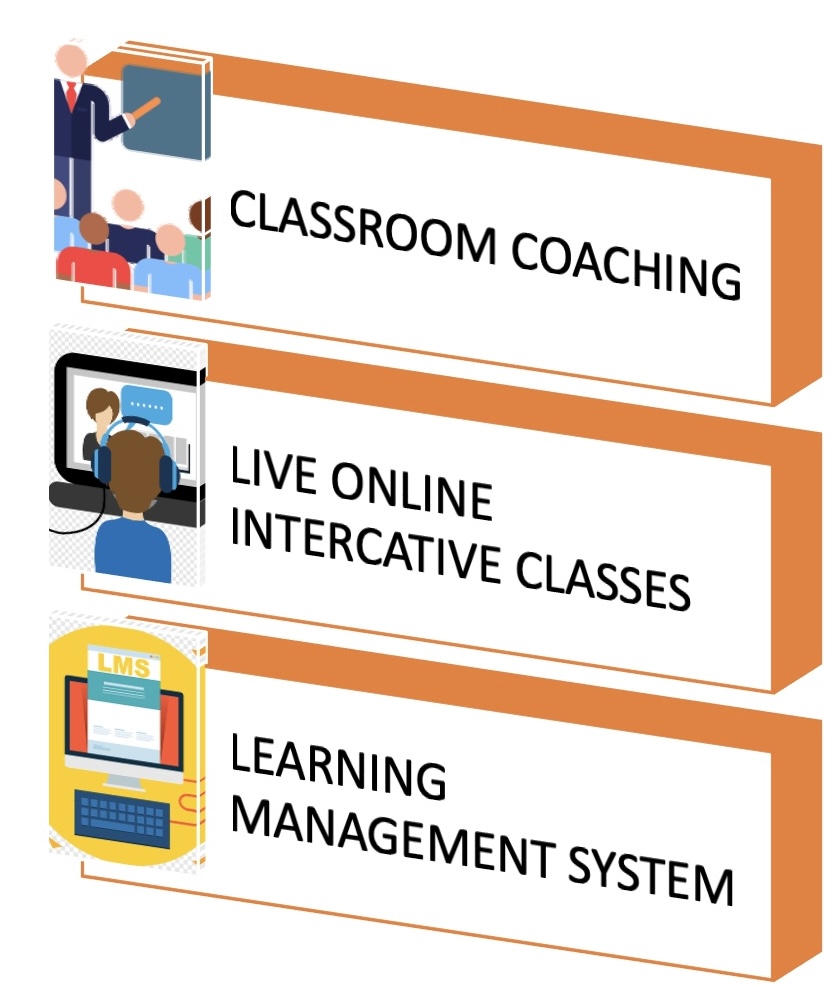
Pahal Design Bangalore is offering weekdays and weekends batch. Students can join Classroom Coaching and Online Coaching.
Syllabus
UCEED 2024 will have two parts.
Part-A will have questions from the following topics:
- Visualization and spatial reasoning: Ability to visualise and transform 2D shapes and 3D objects and their spatial relationships.

- Practical and scientific knowledge: Know-how of scientific principles and everyday objects.
- Observation and design sensitivity: The capacity to detect concealed properties in daily life and think critically about them. Attention to detail, classification, analysis, inference and prediction.
- Environment and society: General awareness of environmental, social and cultural connections with design.
- Analytical and logical reasoning: Ability to analyse qualitative and quantitative information.
- Language: Proficiency in reading and comprehending Standard English.
- Creativity: Grasp of verbal and non-verbal analogies, metaphors, signs and symbols.
Part-B will have questions on the following topics:
- Drawing: Ability to draw products, people or scenes in proportion with good line quality, composition, proportion, perspective and shading.
- Design aptitude: Capability to practically and appropriately respond to problems/situations with ingenuity and empathy.
UCEED 2024 will be held only in the following 27 cities in India:
Ahmedabad, Bengaluru, Bhopal, Bhubaneswar, Chandigarh, Chennai, Coimbatore, Dehradun, Delhi, Ernakulam, Guwahati, Hyderabad, Jaipur, Kolkata, Kozhikode, Lucknow, Mumbai, Mysuru, Nagpur, Noida, Panaji, Patna, Pune, Raipur, Thiruvananthapuram, Thrissur, and Visakhapatnam.
Question Paper Structure for UCEED 2024
- There will be ONE question paper of total THREE hours duration.
- The question paper will be in English only.
- The question paper will carry a total of 300 marks.
- The question paper will consist of two parts: Part-A and Part-B. It is compulsory to attempt questions from both the parts.
- Utmost care is taken to prepare an error free question paper. However, if an error is detected in the question paper, the UCI Committee shall take an appropriate decision after the examination, which shall be final.
Details of the two parts of the question paper are given below:
Part-A (Total marks: 200; Maximum time: 2 hours)
- This part will be administered through a computer-based test.
- This part will consist of three sections.
Section 1:NAT (Numerical Answer Type): 14 questions (4 marks each; no negative marks).
For these questions, the answer is a number that needs to be entered using a virtual keyboard on the computer screen. No choices will be shown for these questions.
Section 2: MSQ (Multiple Select Question): 15 questions.
Each MSQ may have one or more than one correct choice(s) out of the four given. The following is the marking scheme:
Full Marks: + 4
-
- If only (all) the correct option(s) is(are) chosen and NONE of the incorrect options is chosen.
Partial Marks: + 3
-
- If all the four options are correct but ONLY three options are chosen and NONE of the incorrect options is chosen.
Partial Marks: + 2
-
- If three or more options are correct but ONLY two options are chosen, both of which are correct and NONE of the incorrect options is chosen.
Partial Marks: + 1
-
- If two or more options are correct but ONLY one option is chosen and it is a correct option and NONE of the incorrect options is chosen
Zero Marks: 0
-
- If none of the options is chosen (i.e., the question is unanswered).
Negative Marks: -1
-
- In all other cases.
Section 3: MCQ (Multiple Choice Question): 28 questions (3 marks each for the correct answer; 0.71 negative marks for incorrect answers). Each MCQ will have four choices, out of which only one is the correct answer..
Part-B (Total marks: 100; Maximum time: 1 hour)
- Part-B consists of TWO questions to test the candidates’ drawing skills and design aptitude. This will require subjective evaluation. The questions in Part-B will be displayed on the computer screen, and the answer must be written/drawn in the answer book provided by the invigilator. In the case of PwD candidates availing the use of a scribe, assistance in attempting Part-B is not permitted, as the question is aimed at evaluating their drawing skill.
- Part-B answer booklets will be collected at the end of the examination.
- Part-B question is mandatory.
- The entire paper (Part-A and Part-B) must be finished within the stipulated time for each part.
Address:- 1st Floor, 393, Chinmaya Mission Hospital Rd, near HDFC bank,2nd Stage, Binnamangala, Hoysala Nagar, Indiranagar, Bengaluru – 560038, Above Manyavar
Contact No: 9821-651-399
Contact Person: Ms. Purva
Email: corporate@pahaldesign.com
 The National Institute of Fashion technology (NIFT) has announced the results of the NIFT 2023. To check your results, log into the result portal using your email id and password.
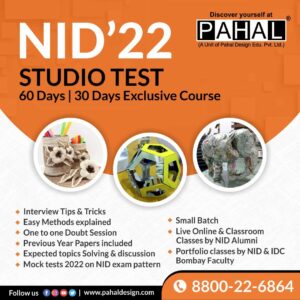 On the 2nd of January 2022, NID (National Institute of Design)Exam 2022 successfully conducted NID DAT Prelims in pen and paper mode across 23 test cities in the country. National institute of Design conducts its entrance exam in two phases; DAT Prelims & DAT Mains. NID DAT Prelims is the first examination of the two phase entrance process.
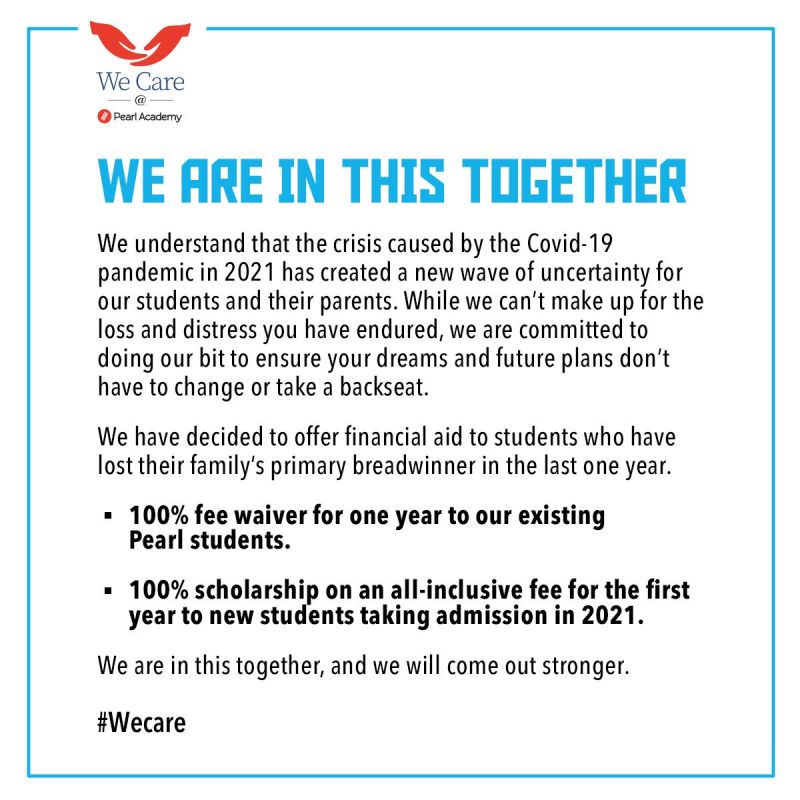 “We are India’s leading institution in design, fashion, business, and media, and have been a catalyst for the success of students across creative industries for 27 years. We offer over 40 uniquely designed UG, PG and professional development programs through its campuses in Delhi, Noida, Jaipur, Mumbai, Bangalore (Launchingsoon) and Kolkata (Launching soon). Our reputation of preparing ‘Industry ready’ professionals has been recognized by leading fashion, retail and design brands, which has helped in establishing a healthy track record of over 95 per cent placement for the last 3 years. Our path-breaking alliances with renowned organizations such as the Fashion Design Council of India (FDCI), Association of Designers of India (ADI), and Institute of Indian Interior Designers (IIID) have ensured that its faculty and students get exclusive access to ‘industry in the classroom’. Awards: – Best private fashion college in India 5th consecutive year by India Today – MDRA, Outlook – Drshti and The Week – Hansa survey. – Best Design Institute in India’ by ASSOCHAM, 4 years in a row since 2016. – Only Indian institute to feature in Business of Fashion’s Top 25 Global Fashion School Rankings (Graduate) in 2017. – Recognized as a Great Indian Institute
 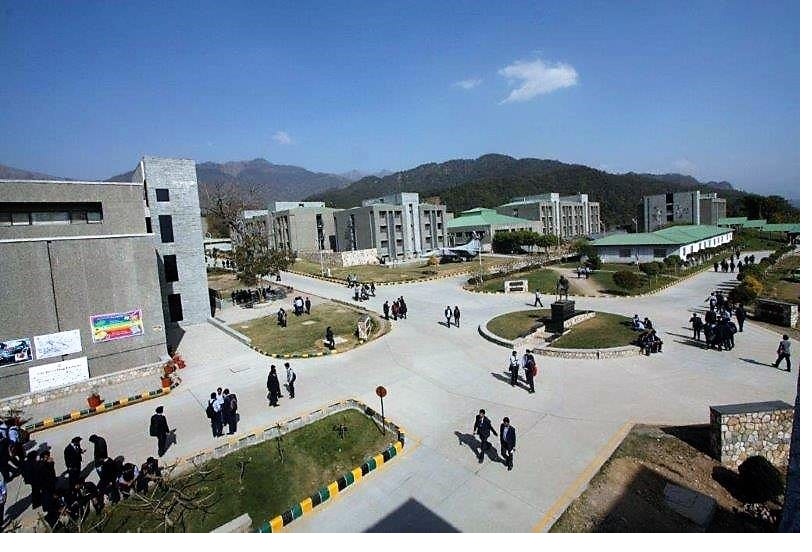 UPES School of Design nurtures responsible designers who possess cultural understanding, are agile and have broad-based innovation capabilities; designers who can create intelligent, inclusive, sensitive design, whether to make big differences or small ones. With an infrastructure comprising high-end computer workstations, vacuum-forming machines, spray-painting booths, among other creative learning aids, and industry collaborations that interweave practical learning with classroom teaching, students learn to employ design-led problem-solving techniques to address the most pressing issues of the world.
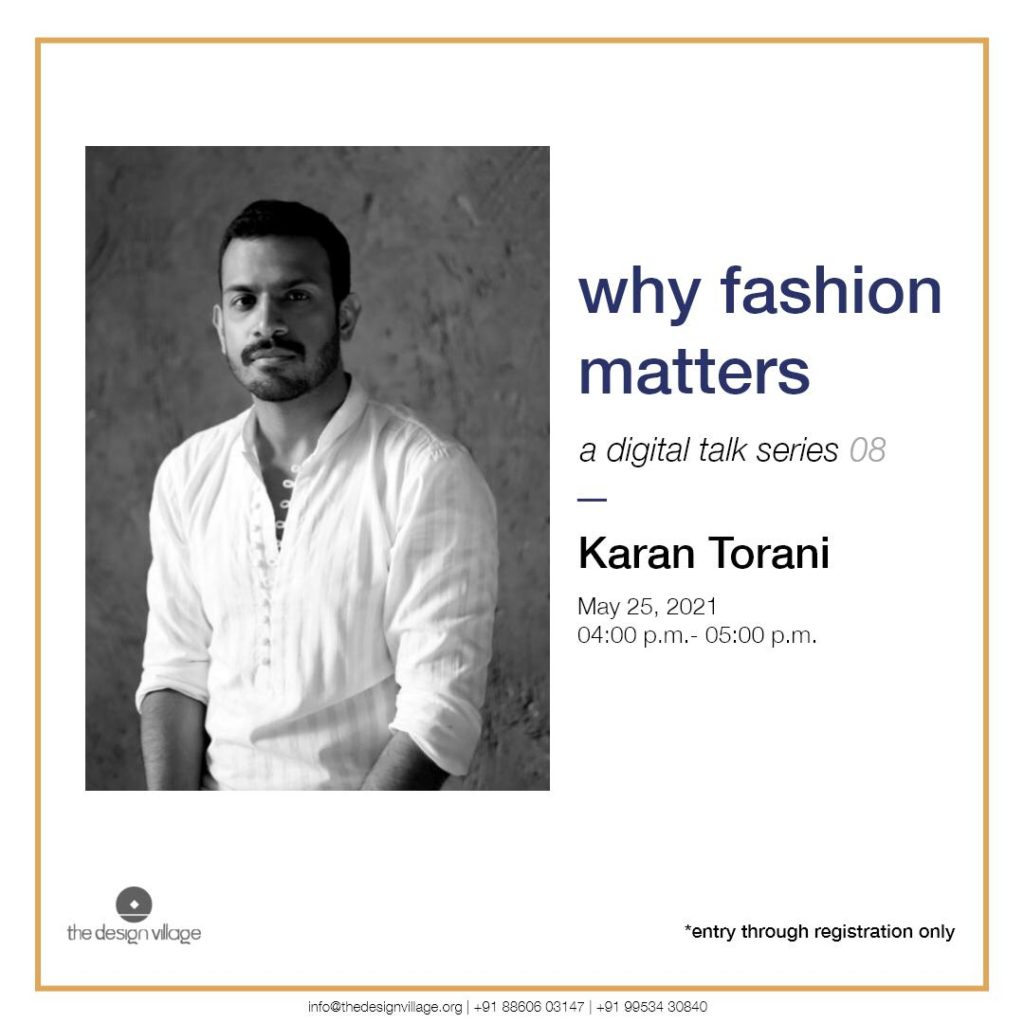 *Why Fashion Matters* spans Old Delhi charms in its *eighth edition*.
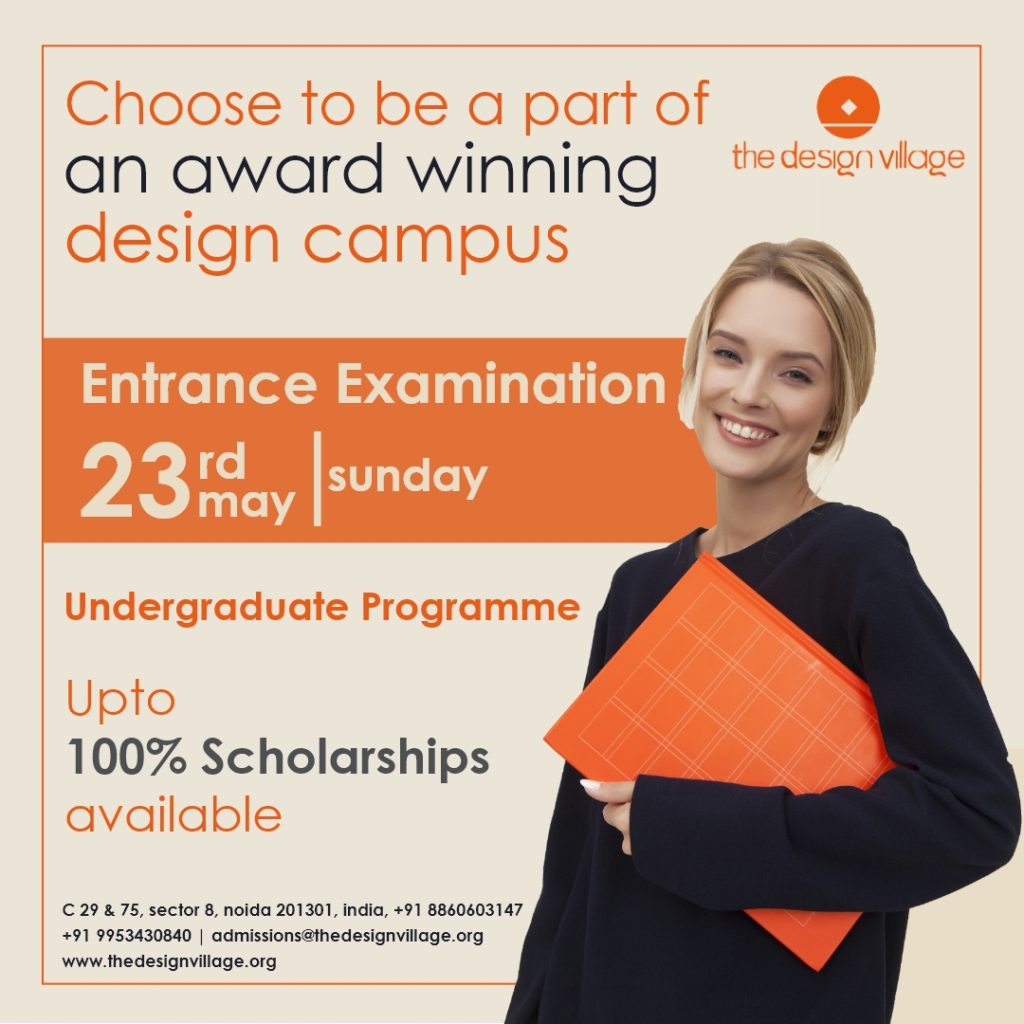 Greetings from The Design Village!