SWOT ANALYSIS OF TEXTILE INDUSTRY IN INDIA
Strengths:
- Indian Textile Industry is an Independent & Self-Reliant industry.
- Abundant Raw Material availability that helps industry to control costs and reduces the lead-time across the operation.
- Availability of Low Cost and Skilled Manpower provides competitive advantage to industry.
- Availability of large varieties of cotton fibre and has a fast growing synthetic fibre industry.
- India has great advantage in Spinning Sector and has a presence in all process of operation and value chain.
- India is one of the largest exporters of Yarn in international market and contributes around 25% share of the global trade in Cotton Yarn.
- The Apparel Industry is one of largest foreign revenue contributor and holds 12% of the country’s total export.
- Industry has large and diversified segments that provide wide variety of products.
- Growing Economy and Potential Domestic and International Market.
- Industry has Manufacturing Flexibility that helps to increase the productivity.
Weaknesses:
- Indian Textile Industry is highly Fragmented Industry.
- Industry is highly dependent on Cotton.
- Lower Productivity in various segments.
- There is Declining in Mill Segment.
- Lack of Technological Development that affect the productivity and other activities in whole value chain.
- Infrastructural Bottlenecks and Efficiency such as, Transaction Time at Ports and transportation Time.
- Unfavourable labour Laws.
- Lack of Trade Membership, which restrict to tap other potential market.
- Lacking to generate Economies of Scale.
- Higher Indirect Taxes, Power and Interest Rates.
Opportunities:
- Growth rate of Domestic Textile Industry is 6-8% per annum.
- Large, Potential Domestic and International Market.
- Product development and Diversification to cater global needs.
- Elimination of Quota Restriction leads to greater Market Development.
- Market is gradually shifting towards Branded Readymade Garment.
- Increased Disposable Income and Purchasing Power of Indian Customer opens New Market Development.
- Emerging Retail Industry and Malls provide huge opportunities for the Apparel, Handicraft and other segments of the industry.
- Greater Investment and FDI opportunities are available.
Threats:
- Competition from other developing countries, especially China.
- Continuous Quality Improvement is need of the hour as there are different demand patterns all over the world.
- Elimination of Quota system will lead to fluctuations in Export Demand.
- Threat for Traditional Market for Power loom and Handloom Products and forcing them for product diversification.
- geographical Disadvantages.
- International labour and Environmental Laws.
- To balance the demand and supply.
- To make balance between price and quality.
Textile Industry Concerns
- Indian Textile Industry is highly fragmented Industry that is lead by several small-scale industries. Because of this, there is lack of Industry Leadership. These small companies do not have fiscal resources to invest in technological up-gradation and they are not able to generate economies of scale. This leads to inability to establish a world-class competitive player.
- Despite many policies Industry is bound with historical regulations that are reason for Complex Industry Structure.
- Though Industry has cheap and skilled manpower but they are less productive.
- Industry is unable to generate economies of scale, as a result, it is tough to balance the demand and supply equation.
- There is lack of technological up-gradation in various steps of value chain that affect the quality, cost and distribution.
- There are high Costs like, High Indirect Taxes, Power and Interest Rates.
- Inadequate Research & Development.
- There is less FDI in this industry that is hurdle to make industry more competitive on global basis.
- Industry has unfavourable labour Laws.
- India has disadvantage in terms of Geographic Locations. Because of this there is Global Logistic Disadvantage as shipping cost is higher.
- There is uneven supply chain model and inbound freight traffic is low which affects cost of shipping.
- India lacks in various trade memberships, which restrict to tap potential market.
- Inappropriate energy supplies to rural and sub-urban areas.
- Industry needs to compete on the basis of Price, Quality and Delivery for the different segments.
TEXTILE INDUSTRY KEY FACTS
- Indian Textile Industry is one of the largest and oldest industry in India.
- Indian Textile Industry is highly fragmented industry; at the same time it is an independent and self-reliant industry that has shown sustainable growth over the years.
- Indian textile Industry is valued at US$ 36 Billion with exports of US$ 17 Billion in 2005-2006.
- Indian Textile Industry is second largest industry in terms of providing vast employment opportunities and employs around 35 million people in country after agriculture sector..
- The Indian Textile Industry plays vital role in economic development and contributes 14% to industrial production in the country.
- Textile Industry contributes around 4% of GDP, 9% of excise collections, 18% of employment in industrial sector, and has 16 % share in country’s export.
- Industry has direct and strong linkage with rural and agriculture sector, therefore it is estimated that, one of every six households in country is directly or indirectly dependent on this industry.
- Industry contributes around 25% share in the world trade of cotton yarn.
- India is evolved as a major contributor in world’s cotton sector. Indian is the world’s third-largest producer of cotton and second-largest producer of cotton yarns and textiles.
- India is the largest exporter of yarn in the international market and has a share of 25% in world cotton yarn export market.
- India contributes for 12% of the world’s production of textile fibers and yarn.
- Indian textile industry is second largest after China, in terms of spindle age, and has share of 23% of the world’s spindle capacity.
- India has around 6% of global rotor capacity.
- The country has the highest loom capacity, including handlooms, and has share of 61% in world loom age.
- Including textiles and garments, 30% of India’s export comes from this sector.
- Indian Textile Industry is one of the largest industry that provides high exports and foreign revenue.
- Large and potential domestic & international market, large pool of skilled and cheap labor, well-established industry, promising export potential etc. are few strengths of Indian Textile Industry.
- Highly Fragmented, High dependence on cotton sector, Lower productivity, Unfavourable Labor Laws are few drawbacks of the industry from which it has to overcome.

 Fashion and Animation tops comparative student enrollment within design. Animation is growing at a very fast rate primarily for two reasons. The first reason is establishment of animation as a viable career option and second being the abundance availability of animation education in cities of all sizes. Similarly for Fashion Design it is the availability of instruction in this area in all geographies. Fashion and Animation has seen a tremendous growth in urban and semi urban areas where institutes are offering certificate and diploma courses ranging from 3 months duration to 2 years. Many of these institutes are franchises of major institutes. Fashion Design is offered as a 3 year / 4 year Bachelors Degree program by many universities and is also offered as a 3 year diploma course post 10 years of school education.
 Fashion and Animation tops comparative student enrollment within design. Animation is growing at a very fast rate primarily for two reasons. The first reason is establishment of animation as a viable career option and second being the abundance availability of animation education in cities of all sizes. Similarly for Fashion Design it is the availability of instruction in this area in all geographies. Fashion and Animation has seen a tremendous growth in urban and semi urban areas where institutes are offering certificate and diploma courses ranging from 3 months duration to 2 years. Many of these institutes are franchises of major institutes. Fashion Design is offered as a 3 year / 4 year Bachelors Degree program by many universities and is also offered as a 3 year diploma course post 10 years of school education.
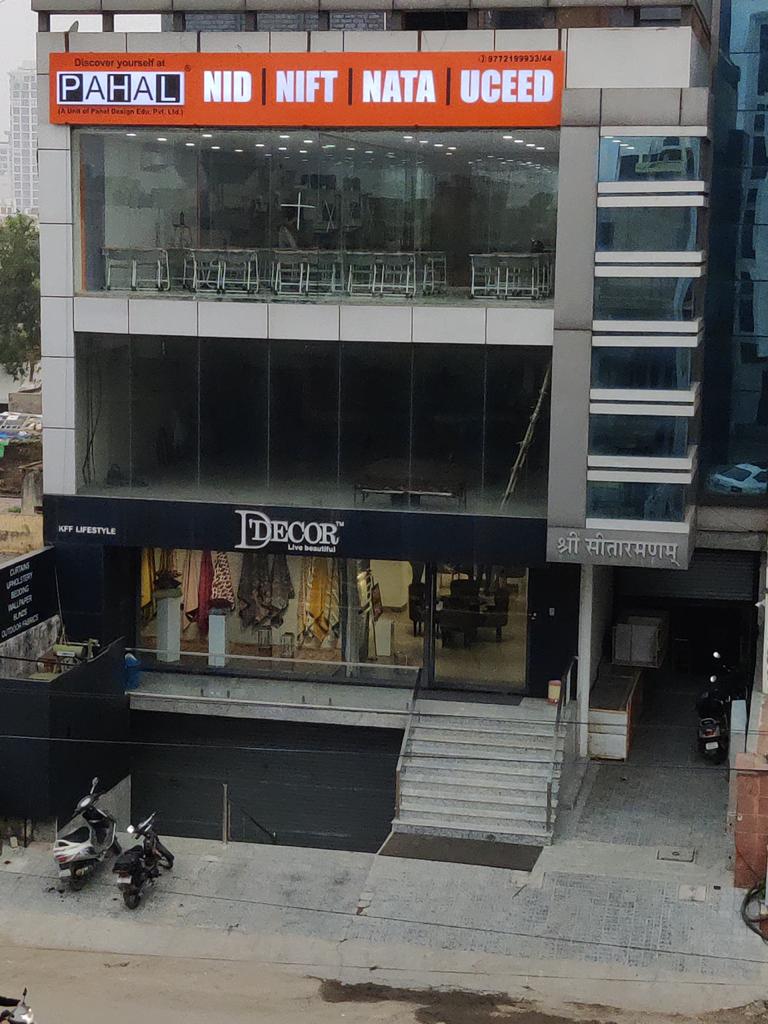
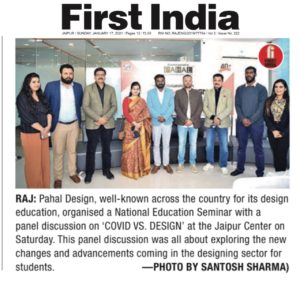
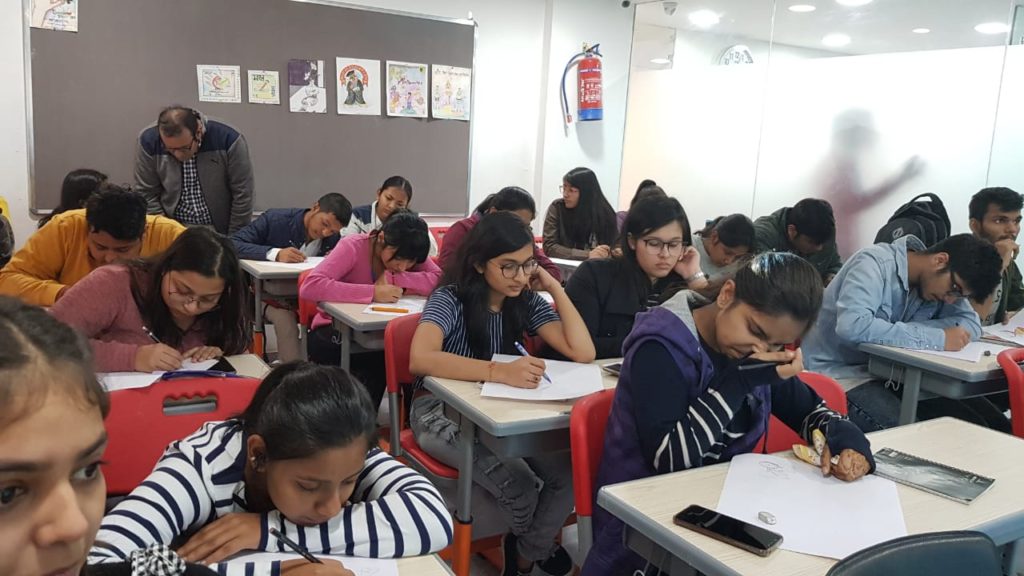 There are many Design Coaching in Jaipur but if we need to find out the best coaching classes, with best learning experience then Pahal Design comes with 22 Years of academic excellence and more than 40 centres across India including all the metros. (New Delhi, Mumbai, Bengaluru, Kolkata, Pune, Ahmedabad, Gurgaon, Jaipur, Lucknow, Dehradun, Chandigarh, Bhopal, Indore, Patna, Ranchi, Kanpur and many more other cities). Now Pahal Design is in Jaipur at Vaishali Nagar for Design, Architecture and Fine Arts Coaching. If any students are looking for Design, Fashion, Architecture and Fine Arts Coaching or any guidance related to Design Colleges then we have Free Guidance for all Design Students.
 Design can transform the way we do things, and result in new economic benefits and a better quality of life. The strategic nature of design helps solve problems in ways that are functionally and aesthetically pleasing and make economic sense. Design helps to improve quality and differentiation, offer world class products and services, improve business efficiencies, productivity and margins, increase revenues and achieve higher market share and accelerated growth.
 Multinational corporations are focusing on India as a new market for trading their products / services. They understand that successes elsewhere may not necessarily translate in a similar way in India. They will need to understand the market, the sensibilities of the people and respond to them through their offerings. Global corporations will need to work with Indian designers to understand the local market.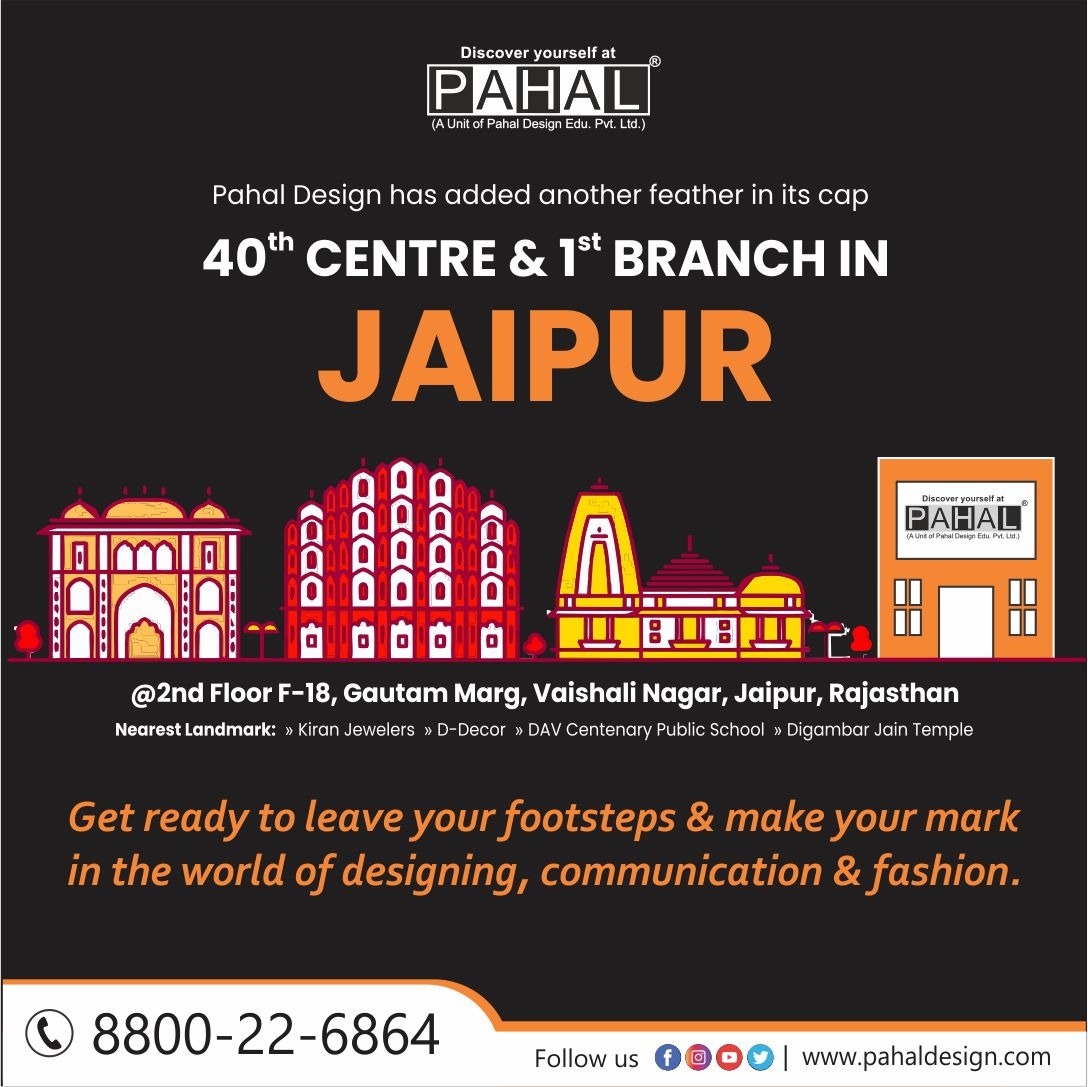

 The capital of Rajasthan, built proudly by Maharaja Sawai Jai Singh II is famous for its majestic forts, opulent Havelis, beautiful lakes, and dunes. Jaipur is part of the famous Golden Triangle Tourist circuit that includes Delhi and Agra. But Jaipur is not only endowed with wonderful tourist attractions but the city also has an excellent infrastructure to support the tourism. Jaipur has some of India’s best hotels, which compliments the scenic and architectural beauty of the Pink City.
 Jaipur is considered one of the most prolific examples of a planned city, it exemplifies approaches to city planning, sustainability and spatial manifestation of the social fabric through architecture. The lessons that can be learned by understanding this place are deep rooted in its context and are beautiful. Each place has lessons that can teach us about the importance of foresight, planning and mindful use of resources. An effort should be made to make it an inherent part of education and moreover an integral part of design education.
 for a good education, then there cannot be a place better than Jaipur. A place where there is no political disturbance, no goons to threaten you here and there, a place to give you a busy life when you need it, a place which would give you the country’s heritage to enjoy any time you need, a place which would give you the mountains and the lakes for a relaxing tour, and the most comfortable evening for studies.
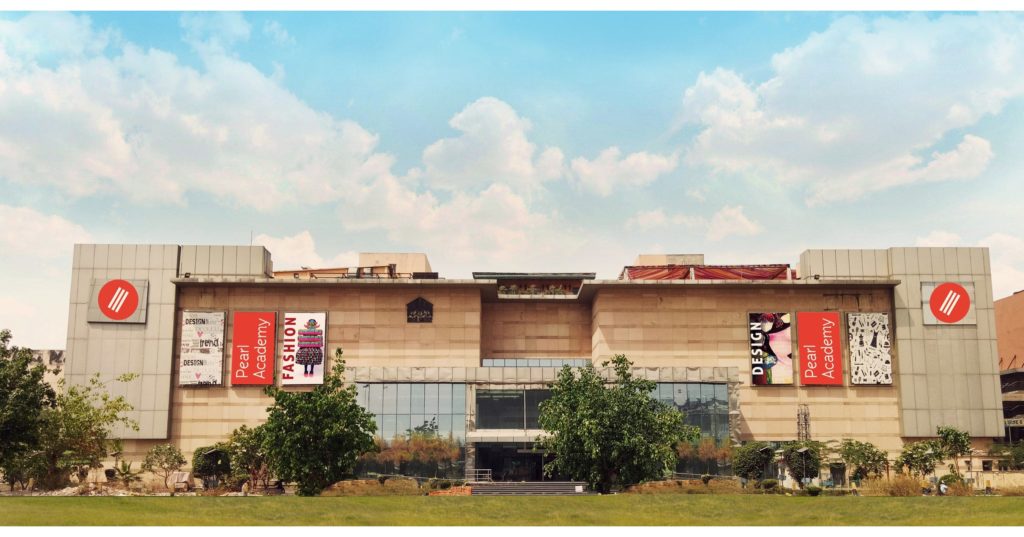
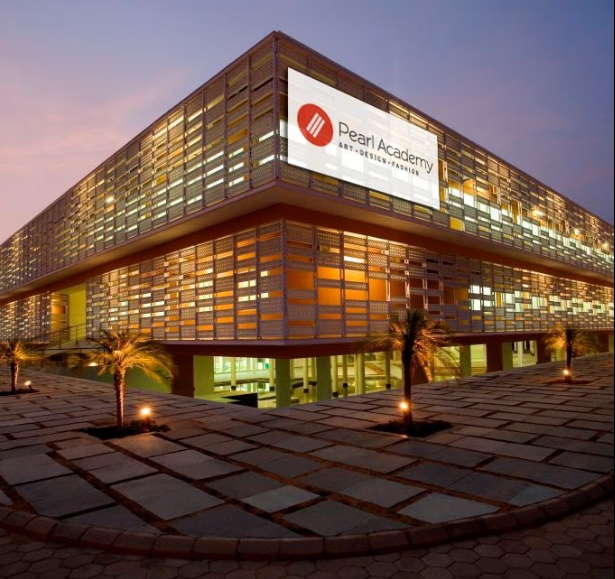
 There are abundant government and private universities present in Jaipur which focusses on the School of Architecture and design. Arch College of Design & Business. INIFD Jaipur, Indian Institute of Gems and Jewellery Jaipur, Indian Institute of Crafts & Design, IIFA INDIA are some of the best examples. As per the latest update among top colleges, the second-best private institute; Pearl Academy Jaipur for Fashion Design is recognized by India Today for the past three consecutive years. Pearl awards Professional Diploma from Pearl Academy and B. Des. Degree from Rajasthan ILD Skill University (RISU). Sounds exciting? Enroll in Pahal design and prepare for a better future in design and technology. Get the best practical experience with the rich heritage of Jaipur and let us help you to make your dreams come true in this beautiful city.
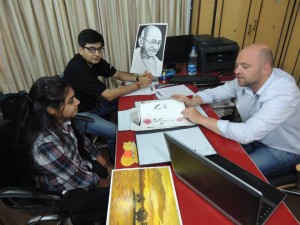
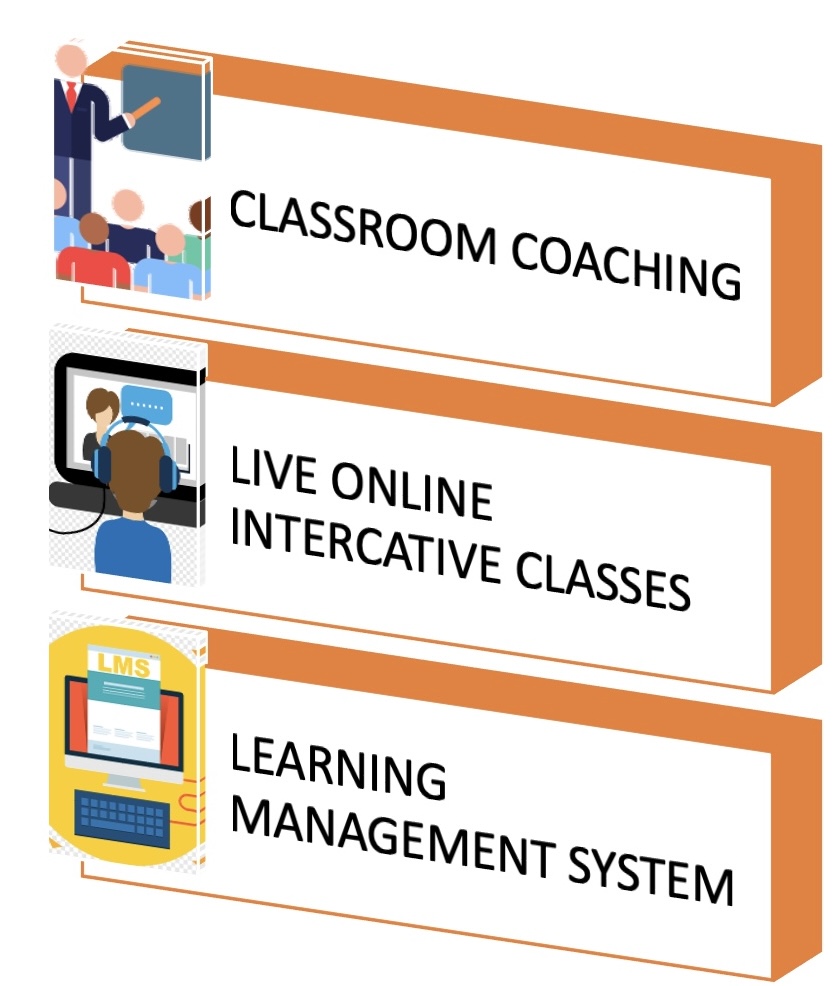
 students .The Platform will enable students to avail video lectures ,Quiz practice sessions ,any time access to practice sets and tests with more than 5000+ questions .The student will be allotted with unique User Id and Password for their DLP account which they login from Pahal Digital.com or PD app .