Cracking NIFT in 5 days is possible with the Pahal Design. Follow our expert 5-day study plan covering CAT and GAT,time management tips,and last-minute topics
February 3, 2026
How to Prepare for NIFT in 5 Days: Last-Minute Strategy
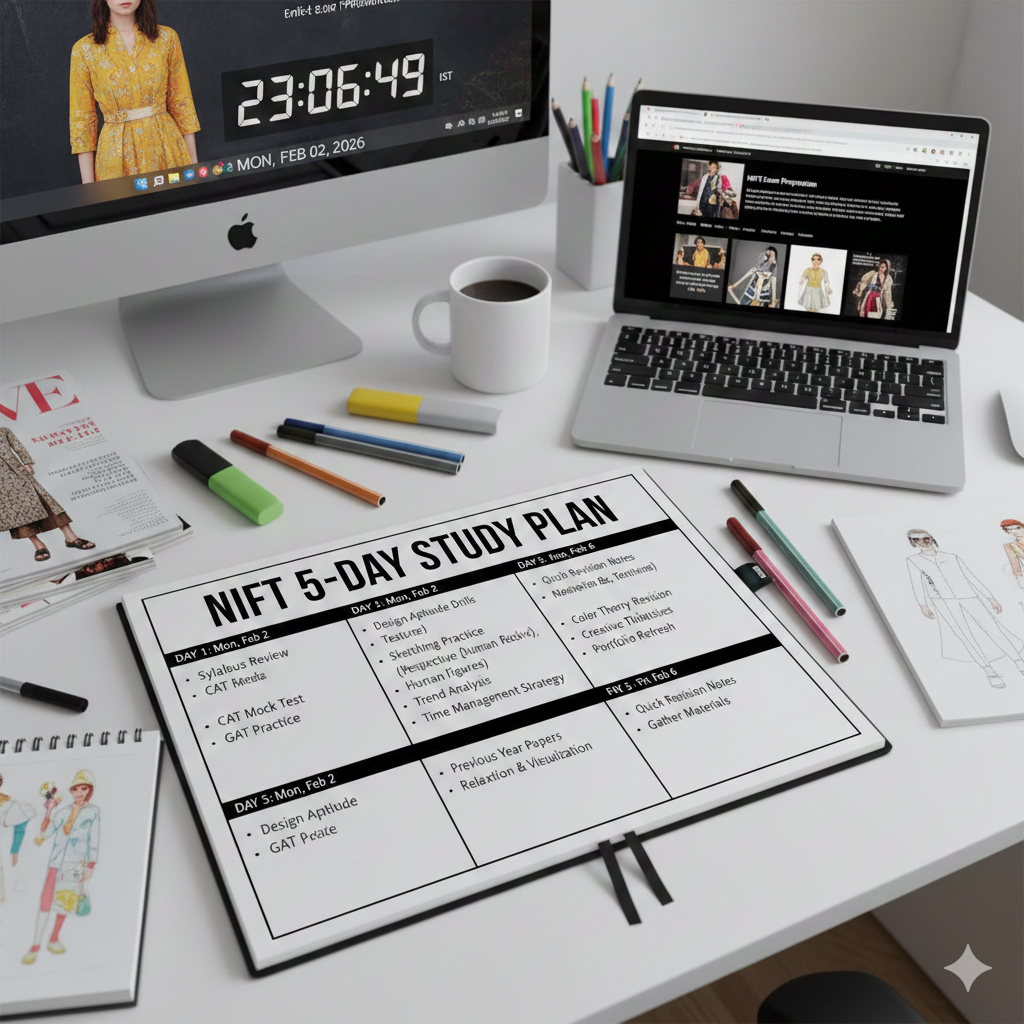
DAY 1 – Master the Structure & Basics
Focus: Understanding expectations and fundamental skills.
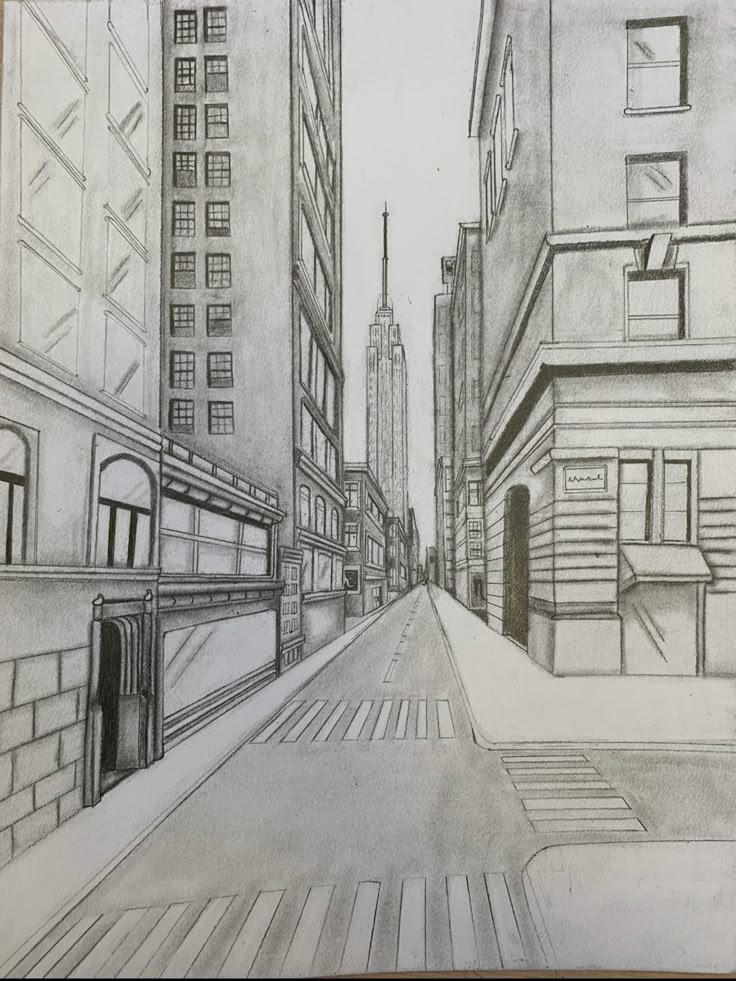
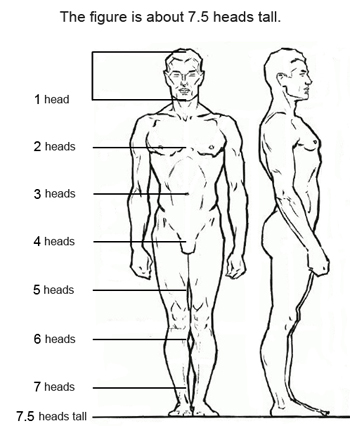
CAT (Creative Ability Test): Focus on human proportions (male, female, child), 1-point and 2-point perspectives, and basic light/shade (stick to 2–3 tones). Practice small, quick sketches instead of full-page compositions.
GAT (General Ability Test): Revise English (synonyms/antonyms), Quant (percentages, ratios), and Fashion GK (brands and designers).
Goal: Don’t do mocks today; focus purely on conceptual clarity.
DAY 2 – Core CAT Practice
Focus: Visualization and Composition.
Exercise: Solve exactly 2 CAT questions—one story-based and one product/situation-based.
Process: Read the prompt, underline keywords, and create two rough thumbnail layouts (1–2 mins). Choose the best one and draw it cleanly.
Key Elements: Ensure your drawing has a clear foreground, midground, and background, along with expressive faces.
Avoid: Over-shading, tiny cluttered details, or messy coloring.
DAY 3 – GAT Strategy & Speed Control
Focus: Accuracy over quantity.
GAT Strategy: Attempt English and GK first. Only move to Quant for questions you are 100% sure about.
Mock Test: Take one full GAT mock under strict exam timing. Aim for 70–75% completion with high accuracy.
Analysis: After the test, write down the specific grammar rules or math formulas you missed.
DAY 4 – Full-Length Simulation
Focus: Stamina and Time Management.
Simulation: Take a full CAT mock immediately followed by a GAT mock.
Self-Evaluation: Ask yourself: Is the idea unique? Is the proportion correct? Is the sheet clean?
DAY 5 – Finishing Touches & Revision
Focus: Confidence and Quick Recaps.
Practice: Spend 1 hour practicing difficult elements like hands, feet, and facial expressions.
Review: Go over your Fashion GK notes and math shortcut formulas.
Rest: Sleep early. A fresh mind is more creative than a tired one.
Frequently Asked Questions (FAQs)
Is it really possible to crack NIFT in 5 days?
While a year of prep is ideal, you can significantly improve your score in 5 days if you already have basic drawing skills and decent English. Success in this timeframe depends on strategic selection—focusing only on topics that appear every year (like percentages in GAT or human figures in CAT).
What are the “Must-Know” topics for the CAT (Creative Ability Test)?
Focus your 5 days on:
Human Figures: Drawing people in action (running, sitting, selling).
Perspective: One-point and two-point perspective for indoor/outdoor scenes.
Color Theory: Understanding “Cool” vs. “Warm” colors and their psychological impact.
Creative Thinking: Practicing how to turn a simple object (like a paperclip) into something innovative.
Which GAT (General Ability Test) sections should I prioritize?
English: This is usually the highest-scoring section. Practice “Error Spotting” and “Synonyms.”
GK: Don’t study general history. Focus strictly on Fashion GK (Logos, Taglines, Designers, Fabrics).
Logical Reasoning: Master “Series Completion,” “Blood Relations,” and “Direction Sense”—these are quick wins.
How do I manage time during the actual exam?
A common mistake is spending 2 hours on one beautiful sketch and leaving the GAT unfinished.
CAT: Spend no more than 30–40 minutes per question. Use the first 5 minutes just for “thumbnail” planning.
GAT: If a Math question takes more than 1 minute, skip it and move to English or GK.
What should be in my NIFT exam kit?
Check your admit card, but typically you need:
HB, 2B, 4B, and 6B pencils.
A good quality eraser and sharpener.
Dry colors (Color pencils or Pastels). Avoid water-based paints as the paper quality may not support them.
A transparent ruler and a black fine-liner pen for outlining.