Art Monster
Let’s Build Creative Futures Together
Join hands with Pahal and empower the next generation of creators.
What is Art Monster?


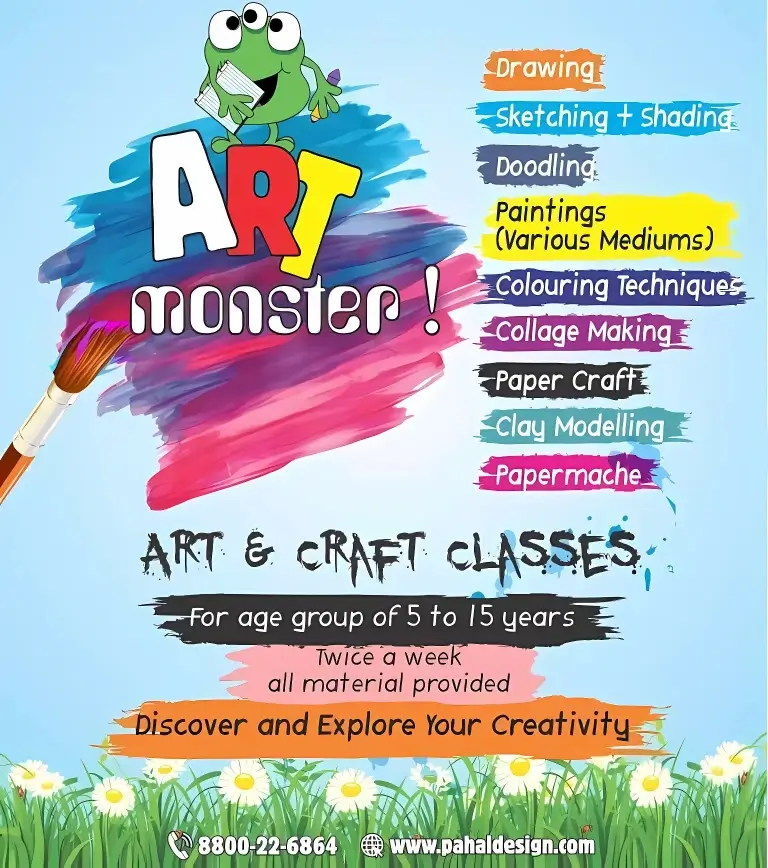
Art Monster is a school dedicated to providing a creative break for countless unrecognised artists, helping them refine and perfect their skills. As another venture of Pahal, the institute aims to offer a comprehensive range of training in painting, music, and dance in the shortest possible time, utilising modern techniques and hands-on learning methods.
Over the past 21 years, thousands of students have passed through our doors, excelling in various artistic fields and building successful careers. The training at Art Monster offers a creative break and assists you in establishing a career in Applied Art, Design, Sculpture, 2D/3D Animation, Graphics, Web Design, Art Teaching, and Photography.
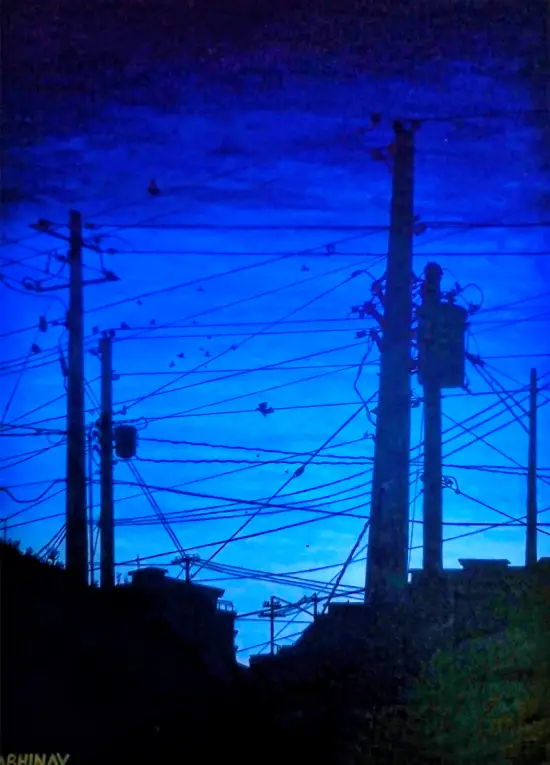
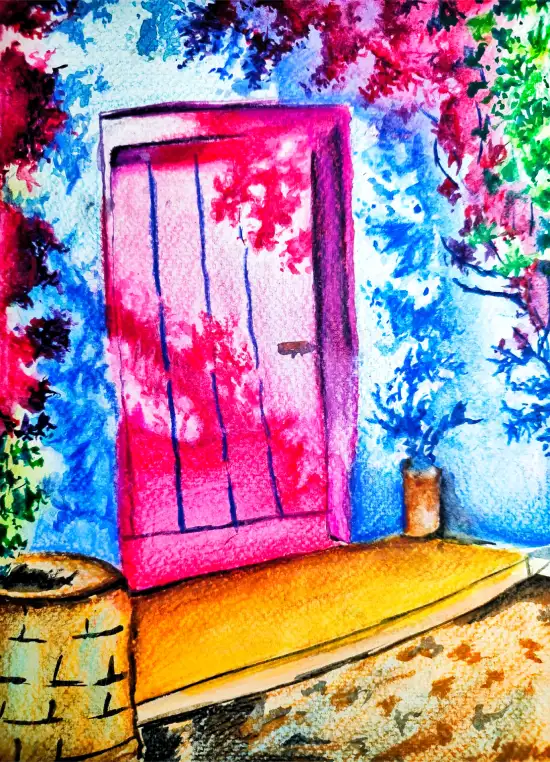
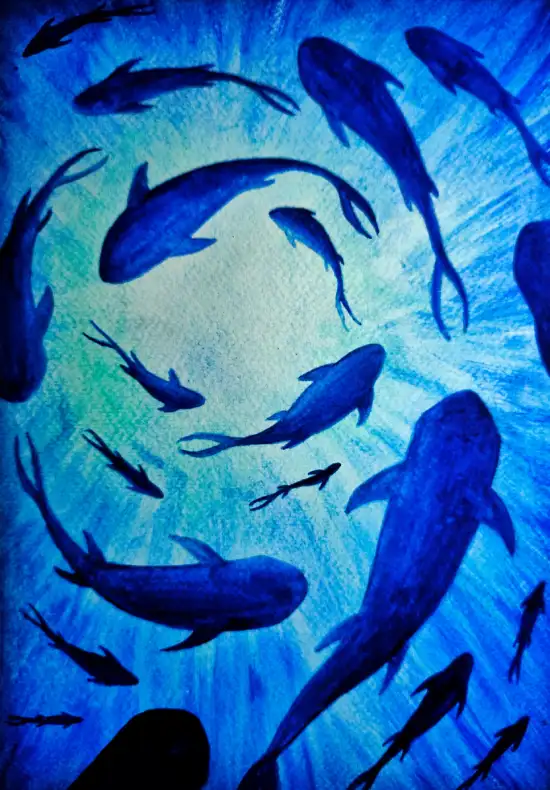
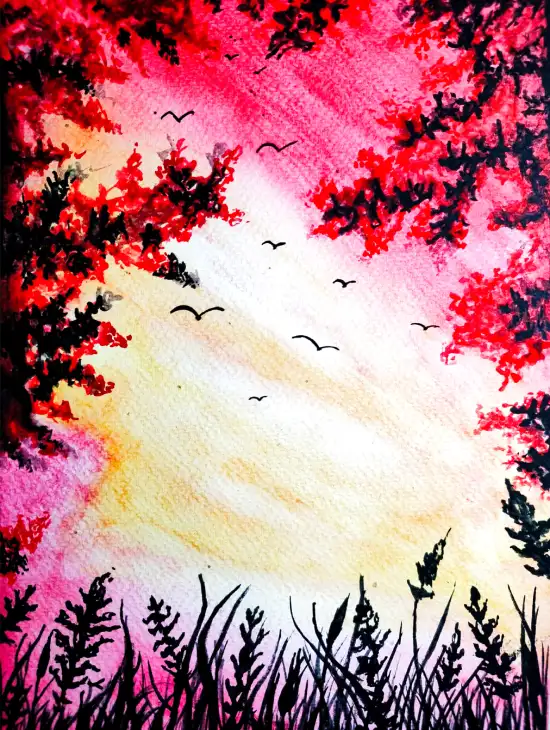
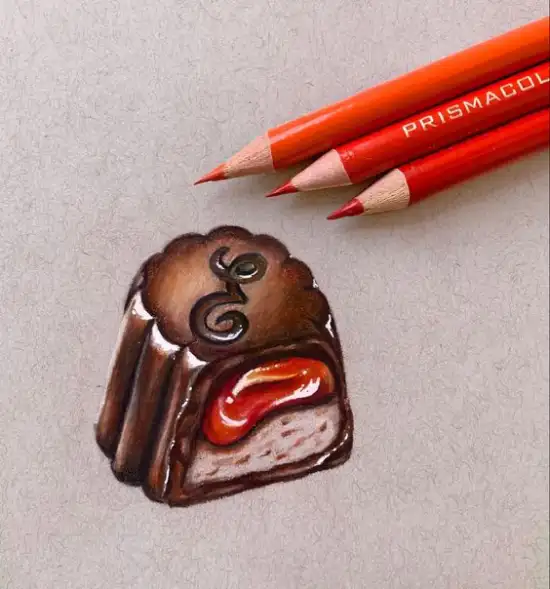
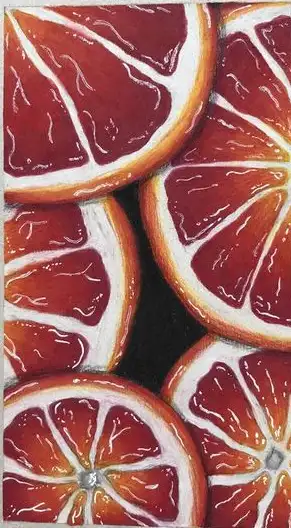
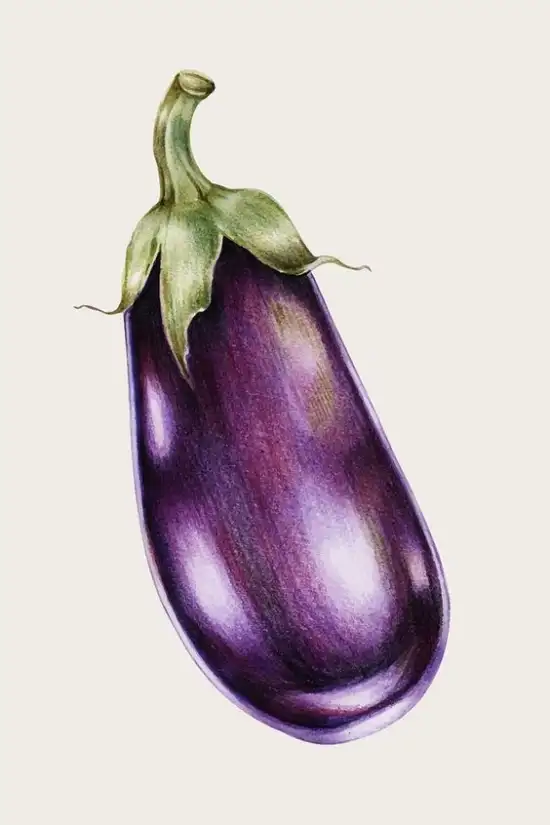
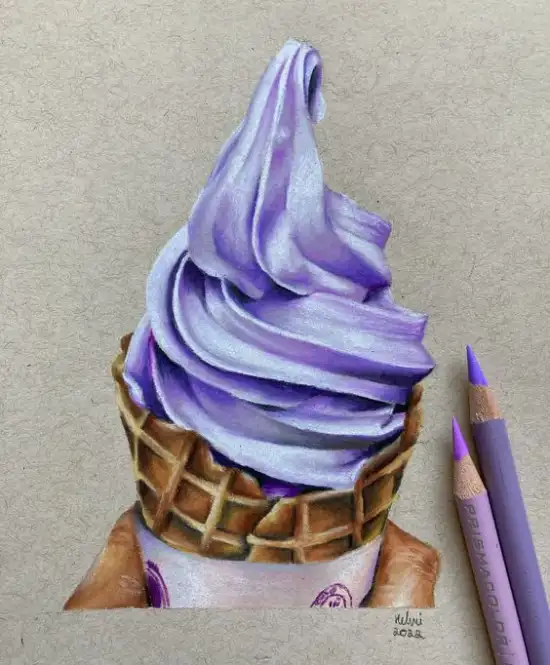
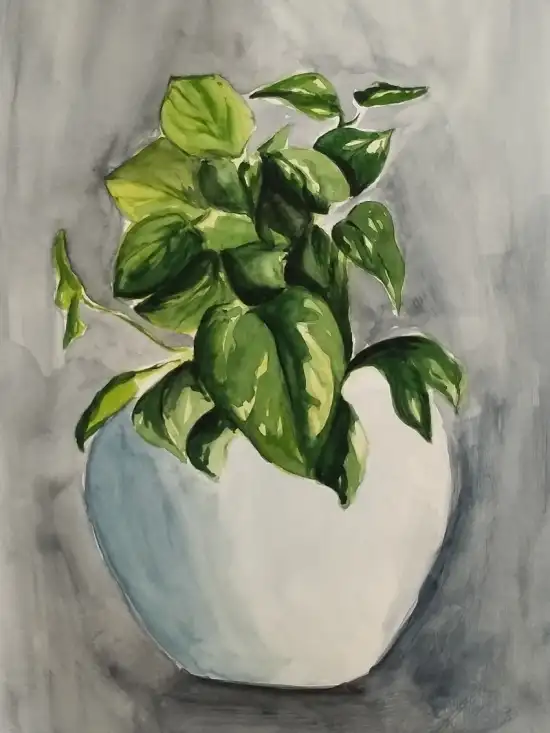
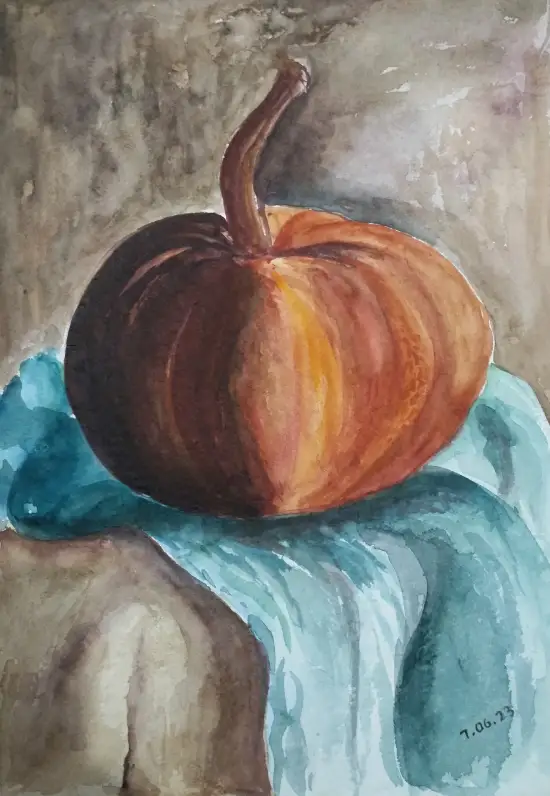
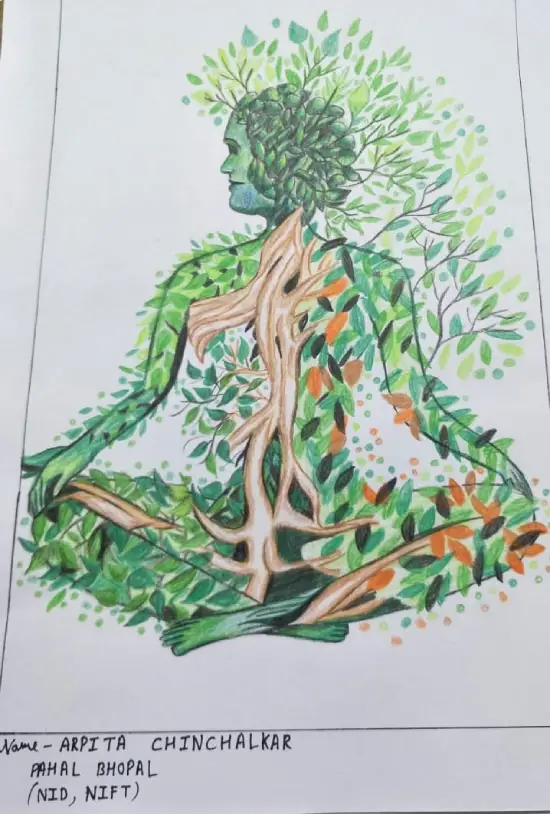
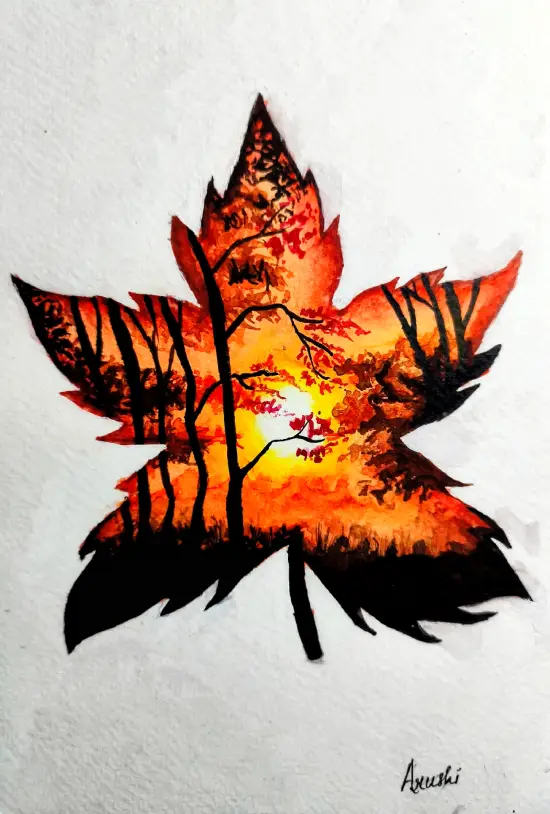
Student Works
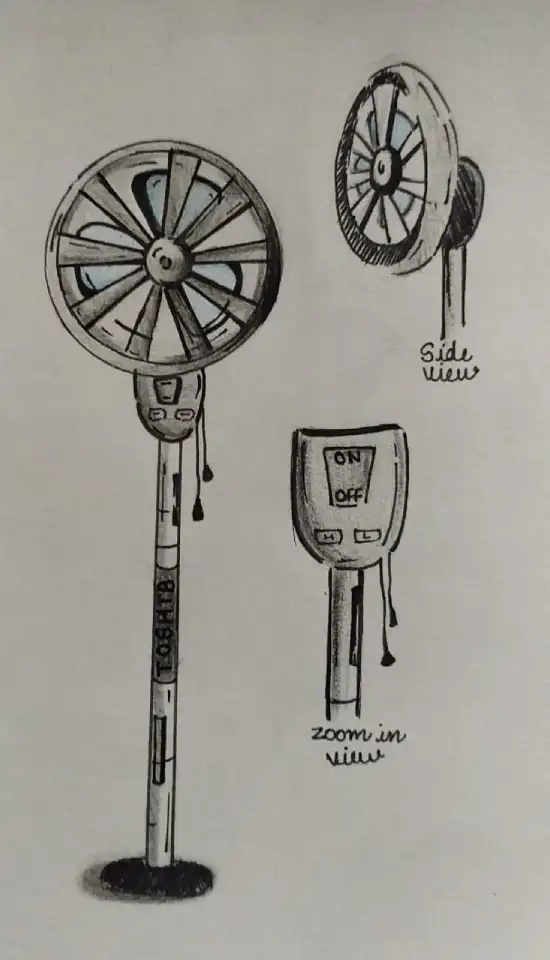
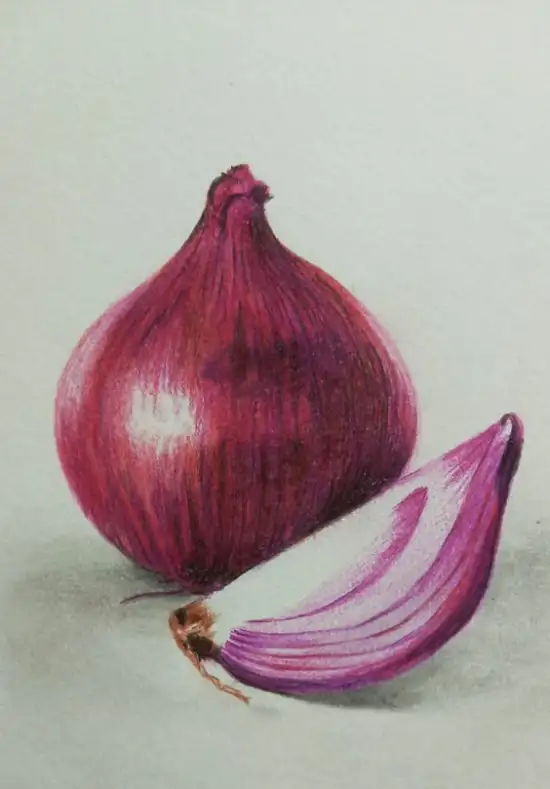
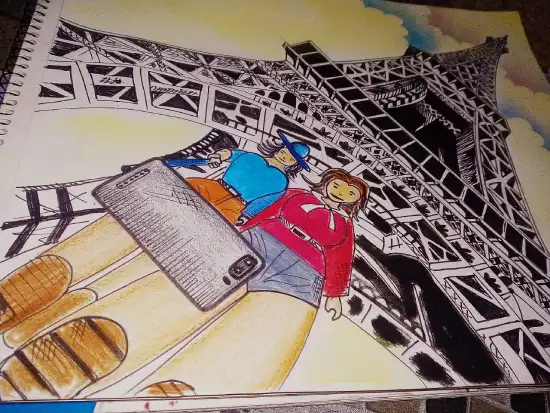
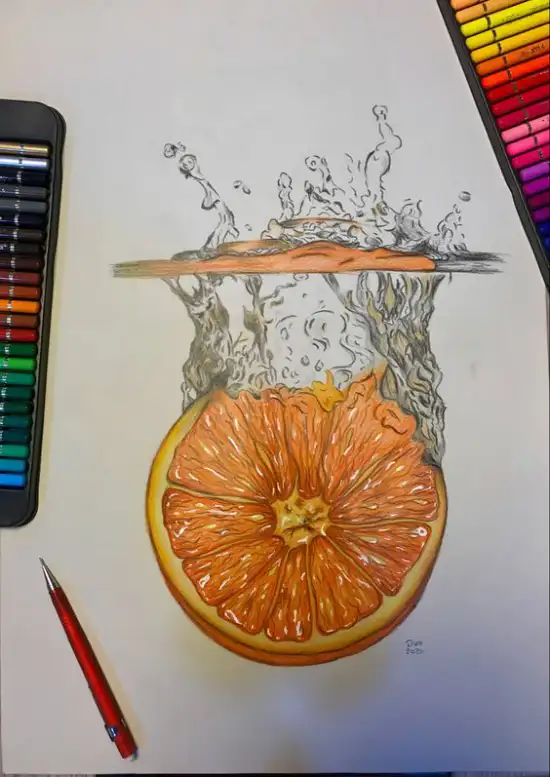
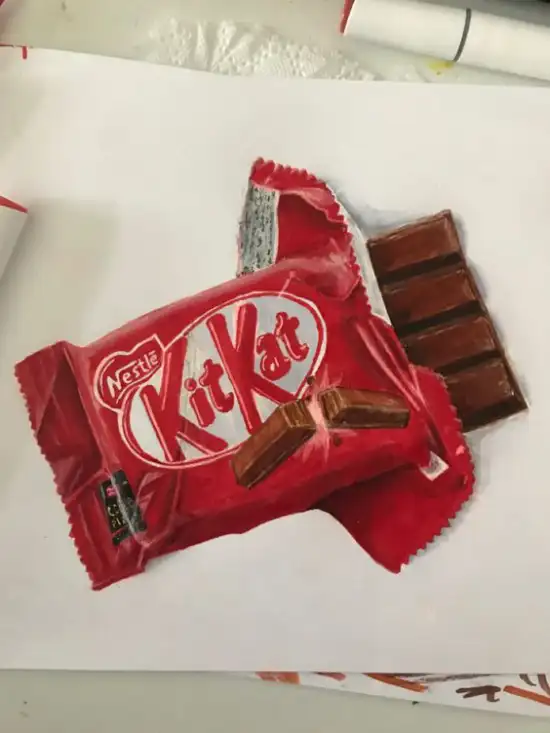
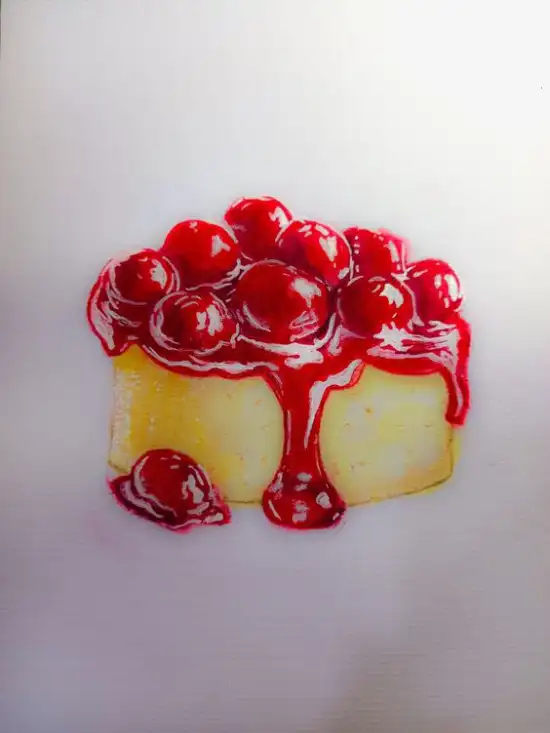
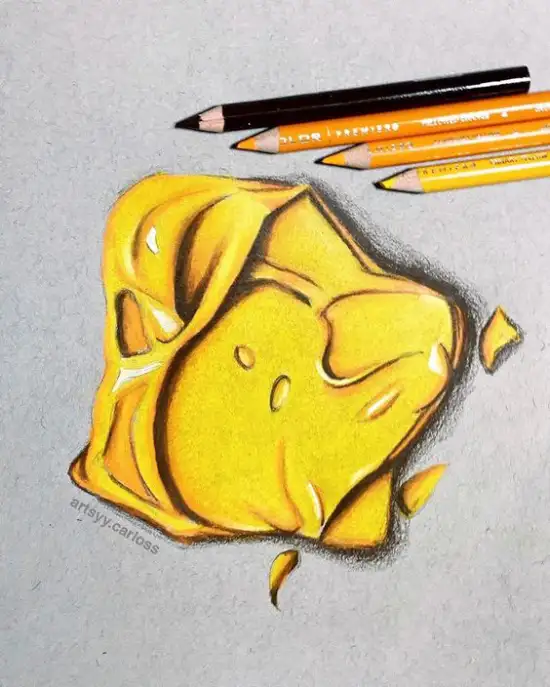
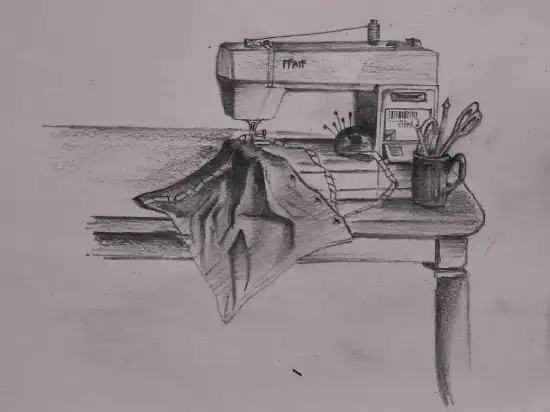
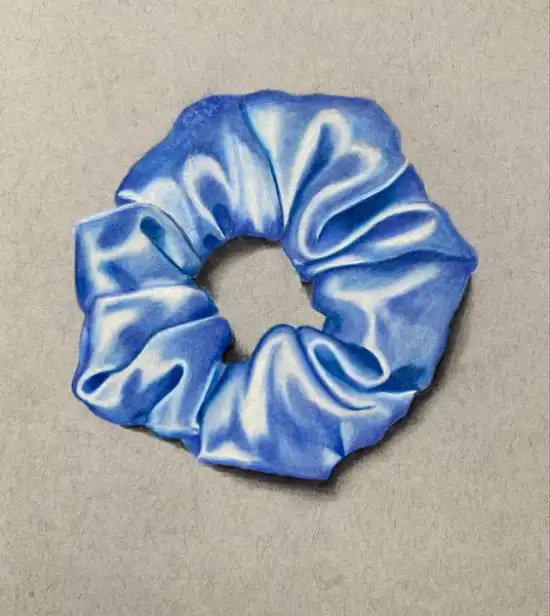
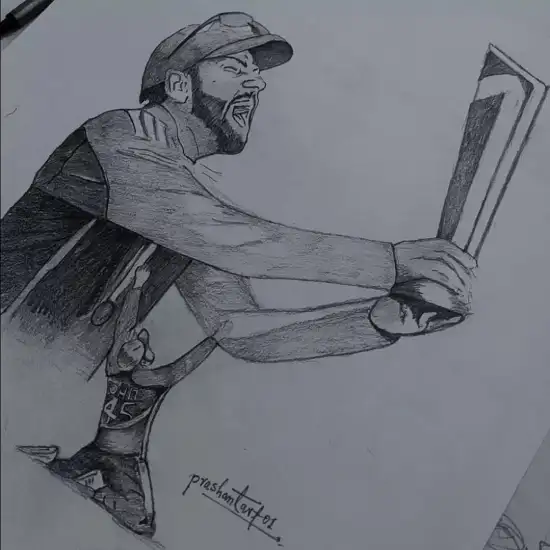
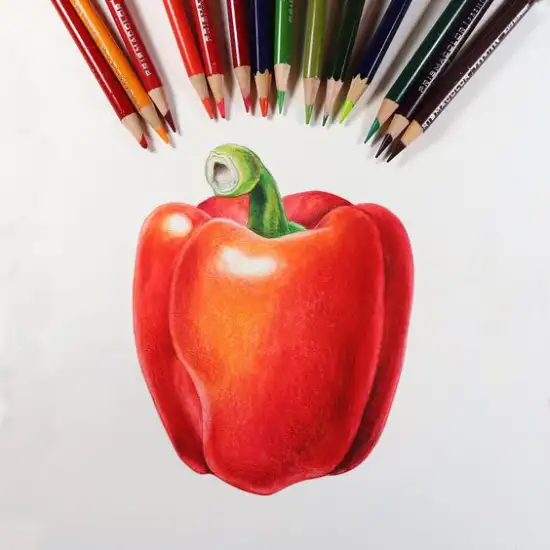
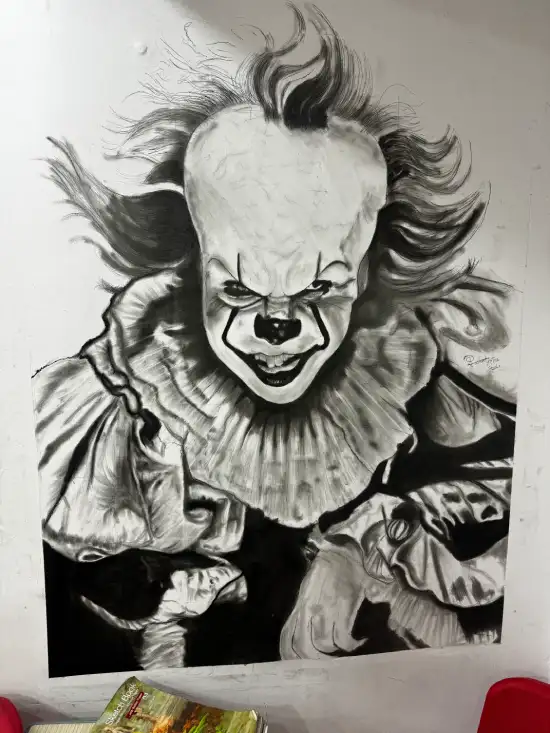
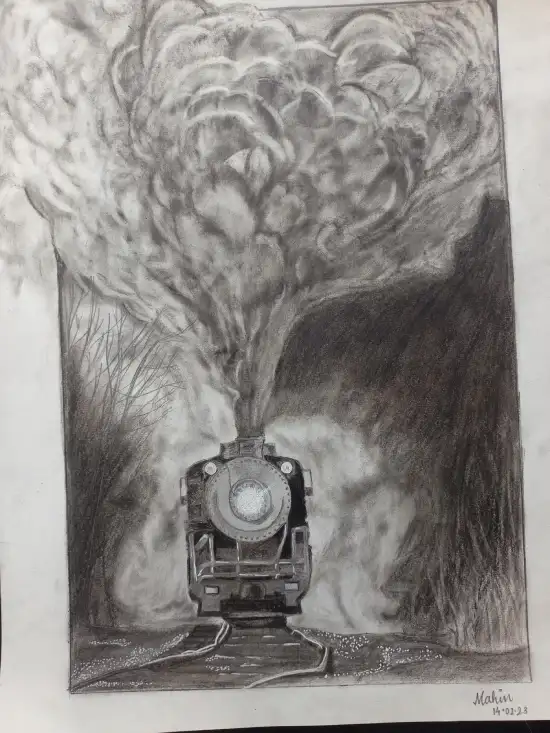
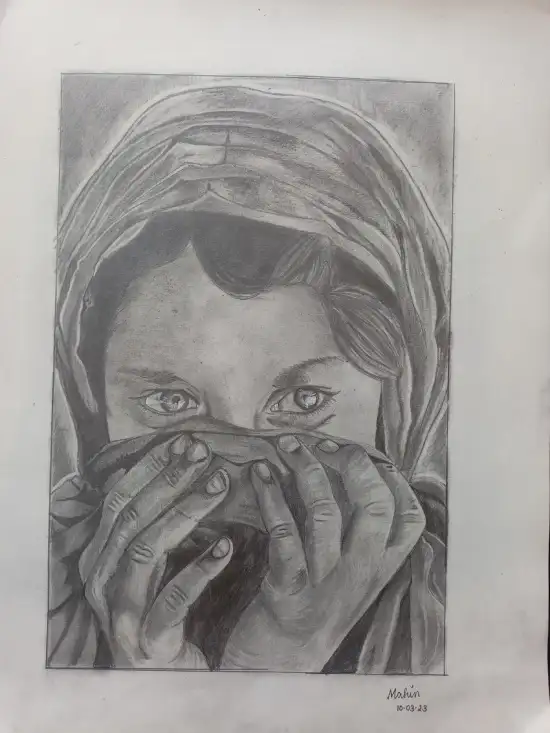
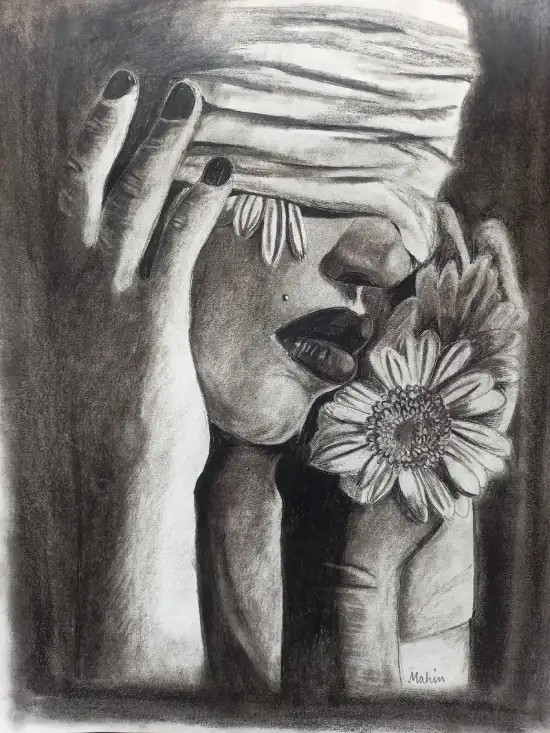
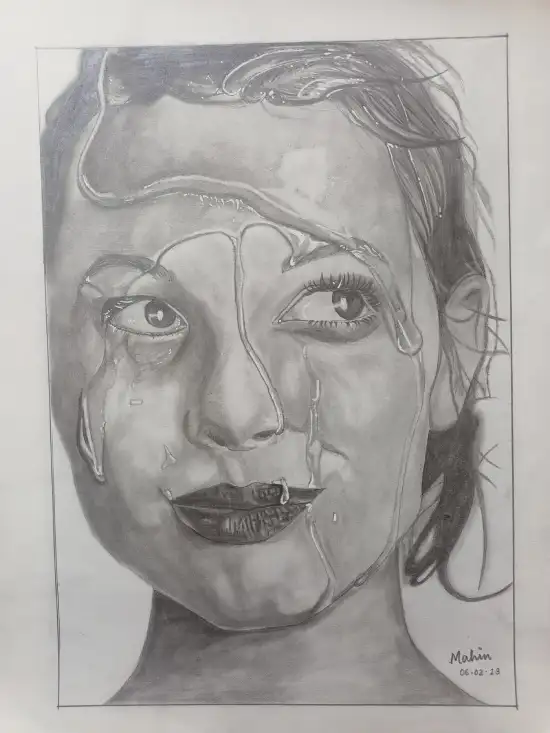
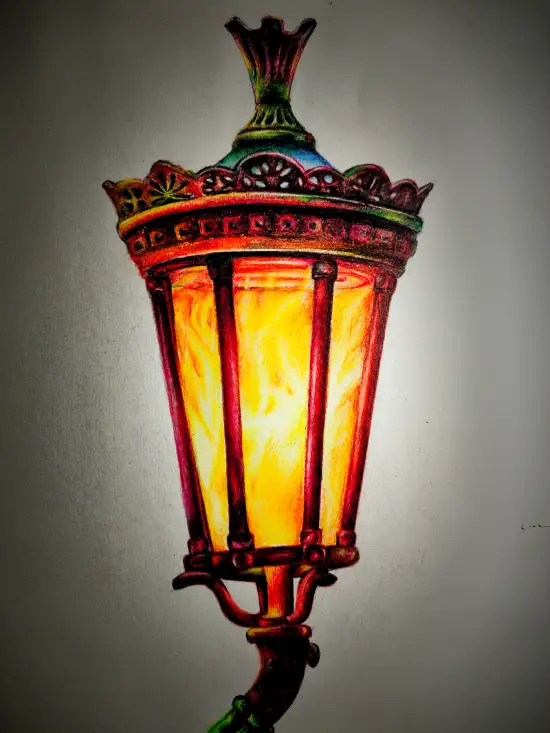

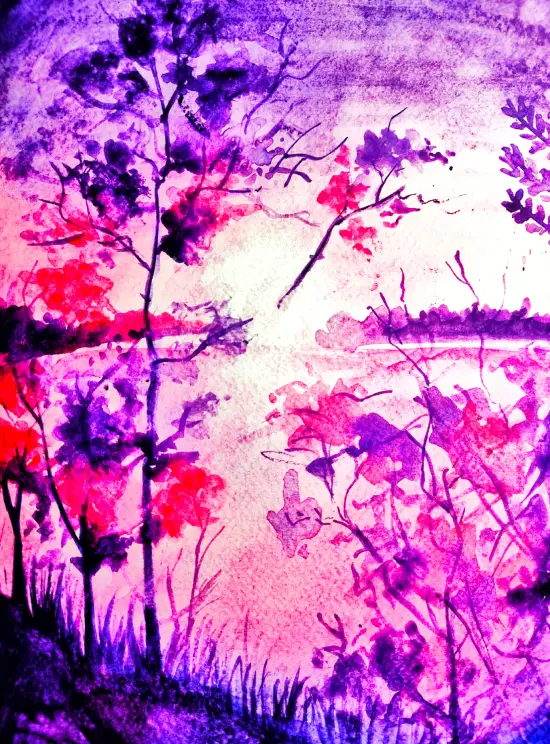
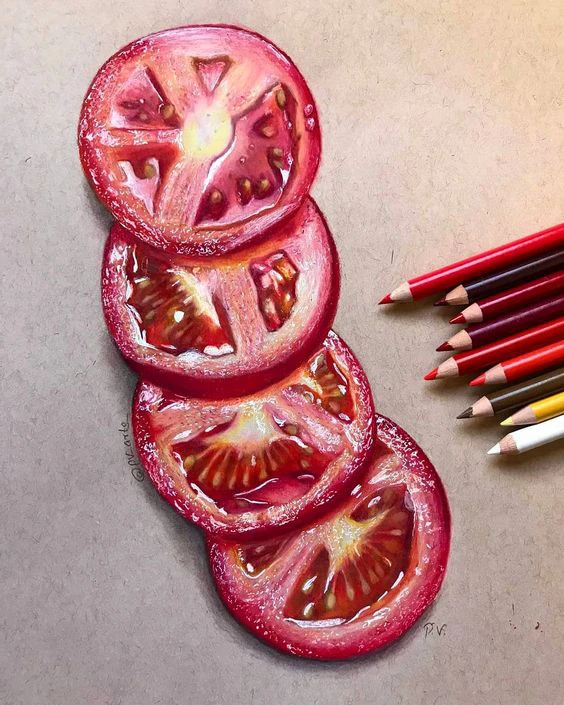
Basic Drawing & Sketching
Shading Variation
Cartoons & Caricature
Imaginative Composition
Color Concepts
Collage Making
Card Making
Poster Designing
Clay Modeling
Compositions
Figure Study
Still life
Portrait
Oil Painting
Water Colour
Course Offerings
Introduction to Drawing
- Understanding drawing as a visual communication tool
- Importance of observation in drawing
- Drawing vs illustration vs sketching
- Tools overview: pencils (HB–6B), eraser, sharpener, paper types
Lines & Line Quality
- Types of lines: straight, curved, zigzag, contour
- Line weight (thin/thick)
- Controlled vs freehand lines
- Line practice drills (confidence building)
Basic Shapes & Forms
- 2D shapes: square, rectangle, circle, triangle
- 3D forms: cube, cuboid, cylinder, cone, sphere
- Converting shapes into objects
- Understanding volume and solidity
Proportion & Scale
- Relative size comparison
- Proportion using reference points
- Enlarging and reducing objects
- Maintaining balance in composition
Observation Drawing
- Drawing from real objects
- Breaking objects into basic forms
- Eye–hand coordination exercises
- Accuracy vs expression
Light, Shade & Tonal Values
- Light source identification
- Types of shading: hatching, cross-hatching, stippling, blending
- Highlights, mid-tones, core shadow, cast shadow
- Creating depth using tones
Texture Representation
- Visual vs tactile texture
- Drawing textures: wood, glass, metal, fabric, stone
- Surface detailing techniques
- Using lines and shading for texture
Perspective Basics
- Horizon line & vanishing point
- One-point perspective (roads, rooms)
- Two-point perspective (buildings, boxes)
- Overlapping and depth cues
Still Life Drawing
- Arrangement of simple objects
- Composition and spacing
- Light & shadow application
- Clean final sketch presentation
Introduction to Human Figure
- Basic human proportions
- Stick figure to form conversion
- Simple gestures and postures
- Avoiding stiffness in figures
Composition Basics
- Foreground, middle ground, background
- Balance, focus, and spacing
- Cropping and framing
- Visual hierarchy
Speed Sketching & Practice
- Quick observation sketches
- Time-based sketching (2–5–10 min)
- Improving confidence and flow
- Exam-oriented sketching approach
Learning Outcomes
By the end of this syllabus, students will be able to:
- Draw confidently using correct proportions
- Represent objects in 3D form
- Apply light, shade, and texture effectively
- Create clean, presentable sketches for design entrance exams
- Basics of Shading
- What is shading & tonal variation
- Purpose of shading in design drawing
- Difference between outline drawing and tonal drawing
- Light source understanding (single vs multiple)
- Tonal Scale
- Light → Mid-tone → Dark
- 5-step, 7-step, 9-step tonal scales
- Smooth gradation techniques
- Contrast control & tonal balance
- Light & Shadow Theory
- Light source direction
- Highlight
- Light area
- Mid-tone
- Core shadow
- Reflected light
- Cast shadow
- Shadow edge (hard vs soft)
- Shading of Basic Forms
- Sphere
- Cube
- Cylinder
- Cone
- Combination of forms
- Shading forms from different light angles
- Shading Techniques
- Flat shading
- Gradient shading
- Hatching
- Cross-hatching
- Stippling
- Scribble shading
- Blending (finger / tissue / pencil pressure)
- Pencil Control & Pressure
- Pencil grades (HB, 2B, 4B, 6B)
- Line weight variation
- Pressure consistency
- Avoiding patchy shading
- Texture Rendering
- Smooth surfaces (glass, plastic)
- Rough surfaces (stone, bark)
- Fabric folds & drapery
- Metal shine & reflections
- Wood grain & natural textures
- Depth & Volume Creation
- Foreground, middle ground, background shading
- Atmospheric perspective (light vs dark)
- Overlapping forms using tone
- Negative space shading
- Object & Still Life Shading
- Everyday objects (cup, bottle, shoe)
- Still life with multiple objects
- Background shading integration
- Realistic vs simplified shading
- Application in Entrance Exams
- CAT illustration enhancement
- Situation test object rendering
- Speed shading techniques
- Shading within time limits
- Common mistakes & how to avoid them
- Evaluation Parameters (Exam POV)
- Light logic
- Tonal clarity
- Neatness
- Realism & form accuracy
- Time management
- Creativity + visual impact
Practice Recommendations
- Daily 15–20 min tonal scale practice
- One form shading per day
- Weekly still-life sketch
- Timed 10-minute shading drills
- Basics of Cartoons & Caricature
- Difference between cartoon, caricature & illustration
- Role of exaggeration, simplification & observation
- Visual storytelling through cartoons
- Cartoon Proportions & Anatomy
- Head–body ratios (2-head, 3-head, 4-head styles)
- Simplified body structure
- Cartoon hands, feet & posture
- Facial Features & Expressions
- Eyes, nose, mouth variations
- Eyebrows as expression tools
- Emotion rendering: happy, sad, angry, fear, surprise, confusion
- Caricature Drawing Techniques
- Face shape analysis
- Identifying dominant facial features
- Controlled exaggeration
- Maintaining likeness
- Speed caricature methods
- Gesture & Movement
- Line of action
- Dynamic poses
- Cartoon walk, run & action poses
- Simplification & Line Quality
- Breaking forms into basic shapes
- Minimal lines, strong silhouettes
- Line weight variation
- Clean outlines
- Cartoon Character Design
- Personality & attitude
- Costume & props
- Age & gender variation
- Consistency across poses
- Cartooning Styles
- Single-panel cartoons
- Comic strips (2–4 frames)
- Situation & social issue cartoons
- Mascot basics
- Finish & Presentation
- Flat / minimal shading
- Black & white balance
- Neatness & visual clarity
- Avoiding over-detailing
- Application in Entrance Exams
- Cartoon-based CAT questions
- Storytelling using cartoons
- Time-bound sketching
- Idea clarity under pressure
Evaluation Criteria (Exam POV)
- Expression & exaggeration
- Communication of idea
- Originality
- Line confidence
- Time management
Recommended Practice
- Daily: Facial expression sheets
- Weekly: 5 caricatures + 1 cartoon
- Timed practice: 10–15 minutes
- Introduction to Imaginative Composition
- Meaning & purpose of imaginative drawing
- Observation vs imagination
- Visual storytelling in design exams
- Idea Generation & Concept Thinking
- Interpreting the given theme / situation
- Brainstorming & mind-mapping
- Originality & relevance
- Avoiding clichés
- Storytelling & Visual Narrative
- Beginning–middle–end concept
- Character, action & environment
- Expressing emotion & movement
- Conveying message without text
- Composition & Layout
- Foreground, middle ground & background
- Balance, focus & visual hierarchy
- Rule of thirds & framing
- Avoiding overcrowding
- Perspective & Space
- Overlapping & scale variation
- Depth creation through size & placement
- Basic one-point / two-point perspective
- Proportion & Anatomy (Basic)
- Human & animal proportions (simplified)
- Posture & gesture
- Relationship between figures & space
- Environment & Background Elements
- Indoor & outdoor scenes
- Contextual details (time, place, culture)
- Integration of background with story
- Line, Shading & Texture (Basic)
- Line quality & confidence
- Minimal shading for depth
- Texture suggestion (not detailing)
- Creativity & Visualization Skills
- Unusual viewpoints
- Metaphorical thinking
- Expressive exaggeration
- Design sensitivity
- Time Management & Execution
- Rough layout planning
- Clean final drawing
- Working within exam time limits
Common Mistakes to Avoid
- Random elements without story
- Flat or cluttered compositions
- Over-rendering
- Weak focus point
Evaluation Criteria (Exam POV)
- Creativity & originality
- Idea clarity
- Composition & depth
- Proportion & perspective
- Neatness & time efficiency
Recommended Practice
- Daily: 1 theme thumbnail sketch
- Weekly: 2 full compositions
- Timed practice: 30–45 minutes
- Analyse past exam questions
- Basics of Color
- What is color?
- Hue, value & saturation
- Additive vs subtractive color
- Color in art vs design
- Color Wheel
- Primary, secondary & tertiary colors
- Warm & cool colors
- Neutral colors
- Complementary color pairs
- Color Properties
- Tint, tone & shade
- Value gradation
- Color intensity & brightness
- Color contrast
- Color Harmony
- Monochromatic
- Analogous
- Complementary
- Split complementary
- Triadic & tetradic schemes
- Color Psychology
- Emotional impact of colors
- Cultural color associations
- Mood creation using color
- Color symbolism in design
- Color Composition
- Balance & emphasis using color
- Creating focal points
- Color rhythm & repetition
- Figure–ground relationship
- Color Application Techniques
- Flat coloring
- Layering
- Blending & gradients
- Clean edges & fills
- Medium-Based Color Use
- Color pencils
- Poster colors
- Watercolors
- Brush & stroke control
- Color in Illustration & Design
- Enhancing imaginative compositions
- Character & environment coloring
- Color for storytelling
- Readability & clarity
- Exam-Oriented Application
- Color usage in CAT / DAT / UCEED
- Limited color palette usage
- Speed coloring techniques
- Avoiding muddy & overdone colors
Common Mistakes to Avoid
- Overuse of colors
- Poor contrast
- Dirty mixing
- Random color choices
Evaluation Criteria (Exam POV)
- Color harmony
- Concept relevance
- Neatness & finish
- Visual impact
- Time management
Recommended Practice
- Daily color wheel practice
- Harmony scheme exercises
- 2 colored compositions per week
- Timed color application drills
- Introduction to Collage
- Meaning & purpose of collage in design
- Collage vs illustration
- Visual communication through collage
- Materials & Tools
- Paper (magazines, newspapers, colored paper)
- Fabric, textures & found materials
- Adhesives & cutting tools
- Safe and neat handling
- Theme Interpretation & Concept
- Understanding given theme / situation
- Brainstorming & idea development
- Concept clarity & originality
- Composition & Layout
- Foreground, middle ground & background
- Balance & visual hierarchy
- Scale, overlap & alignment
- Avoiding clutter
- Image Selection & Placement
- Relevant image sourcing
- Proportion & scale control
- Direction & flow of elements
- Focal point creation
- Color & Texture Usage
- Color harmony in collage
- Texture contrast (smooth vs rough)
- Layering techniques
- Limited palette approach
- Cutting, Pasting & Finishing
- Clean cutting techniques
- Neat pasting & edge control
- Layer stability
- Final finishing & presentation
- Mixed Media Collage
- Combining drawing + collage
- Text & typography integration
- Simple embellishments (lines, patterns)
- Storytelling Through Collage
- Narrative building
- Symbolism & metaphors
- Emotional impact
- Exam-Oriented Application
- Situation test collage tasks
- Time-bound execution
- Working with limited materials
- Translating idea quickly
Common Mistakes to Avoid
- Random image placement
- Excessive materials
- Weak concept
- Messy pasting
Evaluation Criteria (Exam POV)
- Concept clarity
- Composition & balance
- Creativity & originality
- Neatness & finish
- Time management
Recommended Practice
- Weekly theme-based collage
- Material exploration exercises
- Timed 30–40 minute collages
- Rework past exam themes
- Introduction to Card Making
- Purpose of card making in design
- Card as a medium of visual communication
- Types of cards (greeting, invitation, awareness, concept-based)
- Theme Interpretation & Concept
- Understanding the given occasion / brief
- Message clarity & relevance
- Creativity & originality
- Target audience awareness
- Card Formats & Structure
- Single-fold, bi-fold, tri-fold cards
- Orientation (portrait / landscape / square)
- Size proportion & margins
- Composition & Layout
- Front vs inside content planning
- Visual hierarchy
- Balance & focal point
- White space usage
- Typography (Basic)
- Hand lettering basics
- Font styles (block, cursive, decorative)
- Readability & spacing
- Text–image relationship
- Color Application
- Color harmony & mood creation
- Limited color palette usage
- Contrast for readability
- Materials & Techniques
- Paper types (chart, handmade, textured)
- Cut, fold & paste techniques
- Layering & paper relief
- Simple pop-up / flap mechanisms
- Illustration & Decoration
- Hand-drawn illustrations
- Pattern & motif usage
- Borders & frames
- Minimal embellishment
- Finish & Presentation
- Clean edges & neat pasting
- Symmetry & alignment
- Overall visual appeal
- Durability of structure
- Exam-Oriented Application
- Card making in situation tests
- Working with limited materials
- Time-bound execution
- Translating idea quickly
Common Mistakes to Avoid
- Over-decoration
- Poor text readability
- Weak concept
- Messy cutting & folding
Evaluation Criteria (Exam POV)
- Concept & message clarity
- Creativity
- Composition & layout
- Neatness & finish
- Time management
Recommended Practice
- Weekly theme-based card
- Typography drills (daily 10 min)
- Material exploration exercises
- Timed 30–40 minute card tasks
- Introduction to Poster Design
- Purpose of posters in visual communication
- Informative vs persuasive posters
- Target audience & message delivery
- Theme Interpretation & Concept
- Understanding the given topic / social issue
- Identifying key message
- Originality & relevance
- Avoiding literal or copied ideas
- Poster Composition & Layout
- Visual hierarchy (headline–visual–support text)
- Balance & alignment
- Focal point creation
- Effective use of white space
- Typography (Basic)
- Headline vs body text
- Hand lettering styles
- Readability & spacing
- Text–image balance
- Image & Illustration Usage
- Hand-drawn illustration integration
- Symbolism & visual metaphors
- Scale & placement of visuals
- Color Concepts in Posters
- Color harmony & contrast
- Mood creation through color
- Limited palette usage
- Background vs foreground contrast
- Creativity & Visual Impact
- Unique visual approach
- Strong visual punch
- Clear communication without clutter
- Finish & Presentation
- Clean outlines & neat coloring
- Edge control & margins
- Overall aesthetic appeal
- Exam-Oriented Application
- Poster questions in CAT / DAT / UCEED
- Time-bound execution
- Idea-first, detail-later approach
Common Mistakes to Avoid
- Overcrowding with text
- Poor color contrast
- Weak headline
- Messy execution
Evaluation Criteria (Exam POV)
- Concept & message clarity
- Creativity & originality
- Composition & typography
- Color usage
- Neatness & time management
Recommended Practice
- Weekly 2 theme-based posters
- Typography practice (daily 10–15 min)
- Color harmony exercises
- Timed 30–45 minute poster drills
- Introduction to Clay Modeling
- Purpose of clay modeling in design exams
- 2D vs 3D thinking
- Understanding form, volume & space
- Materials & Tools
- Types of clay (air-dry / modeling clay)
- Basic tools (knife, spatula, pin)
- Surface preparation & cleanliness
- Safe handling practices
- Basic Forms & Construction
- Sphere, cube, cylinder, cone
- Joining & merging forms
- Structural stability
- Proportion control
- Concept & Theme Interpretation
- Understanding the given brief / situation
- Translating idea into 3D form
- Function + aesthetics balance
- Form Development
- Building volume step-by-step
- Symmetry & balance
- Scale & proportion
- Simplification of complex forms
- Human, Animal & Object Modeling (Basic)
- Simplified human figures
- Animal forms (basic anatomy)
- Everyday objects & products
- Detailing & Texture
- Surface textures (smooth, rough, patterned)
- Minimal detailing (exam-appropriate)
- Avoiding overworking
- Finishing & Presentation
- Clean edges & joints
- Form clarity
- Final surface finish
- Base / placement presentation
- Creativity & Design Thinking
- Innovative use of clay
- Functional imagination
- Problem-solving through form
- Exam-Oriented Application
- Clay modeling in Situation Test
- Working with limited materials
- Time-bound execution (30–60 minutes)
- Prioritizing structure over detail
Common Mistakes to Avoid
- Weak or collapsing structures
- Over-detailing
- Poor proportions
- Untidy finish
Evaluation Criteria (Exam POV)
- Concept clarity
- Form & proportion
- Structural stability
- Creativity
Neatness & time management
- Introduction to Composition
- Meaning & importance of composition
- Composition as visual organization
- Role of composition in design communication
- Elements of Composition
- Point, line, shape & form
- Space (positive & negative)
- Texture & pattern
- Light & tone
- Principles of Composition
- Balance (symmetrical, asymmetrical)
- Emphasis & focal point
- Contrast
- Rhythm & repetition
- Unity & harmony
- Proportion & scale
- Spatial Arrangement
- Foreground, middle ground & background
- Overlapping of elements
- Size variation for depth
- Placement & alignment
- Visual Flow & Direction
- Eye movement in composition
- Leading lines
- Directional balance
- Avoiding visual confusion
- Framing & Cropping
- Boundary awareness
- Framing the main subject
- Avoiding cut or floating elements
- Perspective in Composition (Basic)
- Depth creation techniques
- One-point & two-point perspective (basic use)
- Horizon line awareness
- Composition in Drawing & Design
- Object-based compositions
- Human figure compositions
- Environment-based compositions
- Still-life arrangements
- Creativity & Visual Clarity
- Simplification of elements
- Avoiding overcrowding
- Clear storytelling through placement
- Exam-Oriented Application
- Composition in CAT / DAT / UCEED questions
- Quick layout planning
- Neat execution within time limits
Common Mistakes to Avoid
- Flat compositions
- Random placement of elements
- Weak focal point
- Overcrowding
Evaluation Criteria (Exam POV)
- Balance & visual harmony
- Depth & spatial clarity
- Focal point effectiveness
- Neatness & time management
Recommended Practice
- Daily: small thumbnail compositions
- Weekly: 2 full compositions
- Timed practice: 20–30 minutes
Analyse past exam compositions
- Introduction to Figure Study
- Importance of human figure drawing in design
- Observation vs imagination
- Figure study for storytelling & composition
- Basic Human Proportions
- Head-based proportion system (5½–7½ heads)
- Male, female & child proportions
- Front, side & back views
- Skeletal & Structural Understanding (Basic)
- Stick figure framework
- Joint positions & body balance
- Line of action
- Gesture Drawing
- Capturing movement & posture
- Dynamic vs static poses
- Speed sketching techniques
- Body Parts Study
- Head & facial placement
- Hands & feet (simplified)
- Torso, arms & legs proportion
- Clothing & Drapery
- Clothing on moving figures
- Fold types (pipe, zig-zag, spiral)
- Fabric flow & volume
- Figure in Action
- Walking, running, sitting, bending
- Everyday activities
- Interaction with objects
- Perspective & Foreshortening (Basic)
- Overlapping & size variation
- Simple foreshortening concepts
- Depth through placement
- Line, Shading & Finish
- Confident line quality
- Minimal shading for form
- Clean & readable figures
- Figure Study in Compositions
- Single-figure vs multi-figure scenes
- Scale relationship with environment
- Visual balance
- Exam-Oriented Application
- Figure drawing in CAT / DAT / UCEED
- Time-bound sketching
- Clarity over detail
Common Mistakes to Avoid
- Stiff poses
- Incorrect proportions
- Over-detailing
- Weak gestures
Evaluation Criteria (Exam POV)
- Proportion accuracy
- Gesture & movement
- Line confidence
- Neatness & time management
Recommended Practice
- Daily: 10–15 gesture sketches
- Weekly: 2 full-figure studies
- Timed figure drawing (5–10 min poses)
- Observe real-life movements
- Introduction to Still Life
- Meaning & importance of still life in design
- Observation-based drawing
- Still life as a foundation for realism
- Object Observation Skills
- Identifying shapes & forms
- Size & proportion comparison
- Angle & alignment observation
- Composition & Arrangement
- Object placement & spacing
- Foreground, middle ground & background
- Balance & focal point
- Overlapping for depth
- Perspective (Basic)
- Eye level & horizon line
- One-point perspective (basic use)
- Ellipses in cylindrical objects
- Proportion & Scale
- Relative sizing of objects
- Height–width relationships
- Avoiding distortion
- Light & Shadow
- Light source identification
- Highlight, mid-tone & shadow
- Cast shadows & contact shadows
- Shading & Tonal Values
- Tonal scale application
- Smooth gradation
- Contrast control
- Texture Rendering
- Smooth (glass, plastic)
- Rough (stone, wood)
- Fabric & soft materials
- Line Quality & Finish
- Confident outlines
- Clean edges
- Neat overall presentation
- Still Life in Exam Context
- Still life questions in CAT / DAT / UCEED
- Time-bound execution
- Accuracy over detailing
Common Mistakes to Avoid
- Incorrect perspective
- Weak shadows
- Flat shading
- Overcrowding objects
Evaluation Criteria (Exam POV)
- Observation accuracy
- Proportion & perspective
- Light & shading logic
- Neatness & time management
Recommended Practice
- Daily: single-object study
- Weekly: 3–4 object still life
- Tonal scale practice
- Timed still life sketches (30–45 min)
- Introduction to Portrait Drawing
- Meaning & importance of portrait study
- Observation vs imagination
- Portraits in design communication
- Head Proportions & Structure
- Basic head construction (oval & block method)
- Facial proportion rules
- Symmetry & balance
- Head angles (front, side, ¾ view)
- Facial Feature Placement
- Eyes (spacing & alignment)
- Nose (length & width)
- Lips (structure & expression)
- Ears (size & position)
- Facial Expressions
- Neutral expression
- Emotions: happy, sad, angry, surprised, fear
- Expression through eyes, eyebrows & mouth
- Anatomy Basics (Portrait Level)
- Skull awareness (basic)
- Muscle influence on facial form
- Jawline & cheek structure
- Hair Rendering
- Hair mass vs individual strands
- Direction & flow
- Texture suggestion
- Light & Shadow in Portraits
- Light source identification
- Highlight, mid-tone & shadow
- Facial planes & form shading
- Shading & Tonal Control
- Tonal values for skin
- Smooth gradation
- Avoiding patchy shading
- Line Quality & Finish
- Confident outlines
- Clean edges
- Neat presentation
- Portraits in Exam Context
- Portrait use in CAT / DAT / UCEED
- Time-bound sketching
- Likeness over detailing
Common Mistakes to Avoid
- Misplaced facial features
- Flat faces
- Over-dark shading
- Stiff expressions
Evaluation Criteria (Exam POV)
- Proportion accuracy
- Expression clarity
- Shading & form
- Line confidence
- Neatness & time management
Recommended Practice
- Daily: facial feature studies
- Weekly: 2 full portraits
- Expression sheets
- Timed portrait sketches (20–30 min)
- Introduction to Oil Painting
- Understanding oil paint as a medium
- Characteristics of oil colors
- Advantages & limitations
- Comparison with acrylic & watercolor
- Materials & Tools
- Oil colors (student vs artist grade)
- Brushes (round, flat, filbert)
- Canvas, board & priming
- Palette, palette knife & mediums
- Solvents & safety practices
- Color Theory for Oil Painting
- Color wheel & color harmony
- Warm vs cool colors
- Mixing clean & controlled colors
- Limited palette techniques
- Surface Preparation
- Canvas priming (gesso basics)
- Toning the surface
- Sketching & underdrawing
- Basic Oil Painting Techniques
- Flat painting
- Layering & glazing
- Scumbling
- Impasto
- Wet-on-wet (alla prima)
- Brush & Knife Handling
- Brush strokes & direction
- Edge control (hard vs soft edges)
- Palette knife textures
- Avoiding muddy strokes
- Light, Shadow & Tonal Values
- Light source identification
- Highlights, mid-tones & shadows
- Creating depth & volume
- Contrast control
- Texture & Surface Effects
- Smooth vs rough textures
- Fabric, wood, metal & skin textures
- Expressive texture techniques
- Subject-Based Painting
- Still life
- Landscape
- Portrait (basic)
- Object & material studies
- Composition in Oil Painting
- Balance & focal point
- Depth & perspective
- Visual flow
- Drying, Layering & Finish
- Fat over lean principle (basic)
- Drying time awareness
- Final detailing & highlights
- Varnishing basics (theory)
- Presentation & Maintenance
- Cleaning brushes
- Paint storage
- Artwork preservation
Common Mistakes to Avoid
- Over-mixing colors
- Excessive detailing too early
- Dirty brushes & palette
- Ignoring drying stages
Evaluation Criteria
- Color control
- Brush handling
- Tonal accuracy
- Composition
- Overall finish
Recommended Practice
- Daily color-mixing exercises
- Weekly still-life painting
- Texture studies
Limited-palette paintings
- Introduction to Watercolour
- Understanding watercolour as a medium
- Transparency & luminosity
- Characteristics of watercolour paints
- Materials & Tools
- Watercolour paints (cakes & tubes)
- Brushes (round, flat, mop)
- Paper types & GSM (cold press / rough)
- Palette, water control & tissues
- Watercolour Paper Preparation
- Stretching paper
- Surface wetting techniques
- Underdrawing & light sketching
- Color Theory for Watercolour
- Color wheel & harmony
- Warm vs cool colors
- Clean color mixing
- Limited palette approach
- Basic Watercolour Techniques
- Flat wash
- Graded wash
- Wet-on-wet
- Wet-on-dry
- Dry brush
- Brush Handling & Water Control
- Brush pressure control
- Stroke direction
- Managing water-to-paint ratio
- Avoiding blooms & backruns
- Light, Shadow & Tonal Values
- Creating depth through layers
- Preserving highlights
- Building shadows gradually
- Texture & Effects
- Texture using dry brush
- Salt, sponge & tissue effects
- Layer lifting techniques
- Subject-Based Painting
- Still life
- Landscape
- Architecture (basic)
- Objects & textures
- Composition in Watercolour
- Balance & focal point
- Depth & perspective
- Visual flow
- Finishing & Presentation
- Edge control
- Final highlights
- Clean borders & margins
- Common Mistakes to Avoid
- Overworking the paper
- Dirty color mixing
- Excessive water use
- Hard edges everywhere
Evaluation Criteria
- Color clarity
- Water control
- Tonal balance
- Composition
- Overall finish
Recommended Practice
- Daily wash practice
- Color mixing drills
- Weekly subject-based painting
- Limited-palette exercises
Highlights

1. Top Faculty
Learn from experts from premier art institutes
2. Artist Talks
Interact with leading contemporary artists
3. Creative Vibe
Study in a lively artistic setting
4. Art Updates
Stay current with contemporary art trends
5. Free Stationery
Basic art supplies included
6. Outdoor Sketching
Field trips for sketch and landscape art
7. Modern Studios
Work with advanced art infrastructure
8. Exhibition Visits
Regular gallery and show visits
9. Student Shows
Frequent student art exhibitions
10. Art Tours
Educational trips to cultural hubs